The Spring squill Plant Advantage: Maximizing Home and Office Appeal and Wellness
1
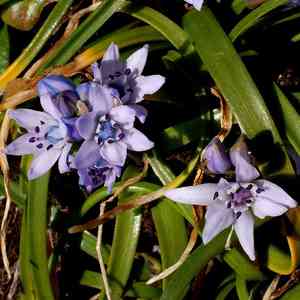
The spring squill is a hardy perennial recognized for its striking blue blossoms.
2
It flourishes in seaside environments and stony ground, boosting ecological variety.
3
Spring squill aids pollinators, fulfilling a vital function within the natural world.
What Makes Spring squill a Unique Plant?
Adaptations to Coastal Environments
Spring squill is uniquely suited to flourish in seaside regions, enduring severe conditions like strong winds and salty soil. Its capacity to thrive in rocky, well-drained ground makes it a robust species, able to colonize areas where other flora might struggle. These adaptations not only highlight its toughness but also aid in stabilizing the earth and preventing erosion along shorelines.
Striking Aesthetic Appeal
Beyond its ecological advantages, Spring squill is valued for its visual contributions. The vibrant blue blossoms, which appear in clusters, create a visually captivating spectacle that draws in nature lovers and gardeners alike. Its early flowering period, typically from April to June, signals the arrival of spring, adding a burst of color to natural vistas and cultivated plots.
How Does Spring squill Benefit the Ecosystem?
Supporting Pollinators
One of the most significant ecological advantages of Spring squill is its function in aiding pollinators. The plant's flowers offer a crucial source of nectar and pollen for bees, butterflies, and other insects. By attracting these pollinators, Spring squill assists in the pollination process, contributing to the reproductive success of various other plant species in the vicinity. This interaction emphasizes the plant's importance in maintaining biodiversity and supporting healthy ecosystems.
Enhancing Biodiversity
Spring squill contributes to boosting biodiversity in its native habitats. Its presence in coastal and rocky areas adds to the variety of plant life, creating a diverse botanical community. This diversity is vital for a resilient ecosystem, as it provides shelter and food resources for a range of wildlife, from insects to small mammals. By fostering biodiversity, Spring squill helps establish balanced and sustainable natural environments.
Can Spring squill Be Cultivated in Gardens?
Growing Conditions and Care Tips
Yes, Spring squill can be successfully grown in gardens, provided its environmental needs are met. It thrives in well-drained, rocky soils and prefers full sun to partial shade. Gardeners should ensure that the soil is not excessively fertile, as Spring squill is accustomed to less nutrient-rich surroundings. Minimal irrigation is needed once established, making it a low-maintenance addition to rock gardens, borders, and coastal-themed landscapes.
Companion Planting
When incorporating Spring squill into a garden setting, consider companion planting to amplify its visual and ecological advantages. Pairing it with other early spring bloomers such as crocuses and daffodils can create a harmonious display of hues. Additionally, combining Spring squill with plants that attract beneficial insects can further support the local ecosystem and promote a flourishing garden environment.
Why Should You Include Spring squill in Your Landscaping?
Low Maintenance and Resilience
One of the primary reasons to incorporate Spring squill in landscaping projects is its minimal upkeep and hardiness. Once established, it requires little care, making it an ideal choice for gardeners seeking robust, self-sufficient plants. Its capacity to endure harsh coastal conditions also makes it a valuable addition to landscapes prone to environmental stresses.
Ecological Contributions
Integrating Spring squill into landscaping not only enhances visual appeal but also creates a positive ecological impact. By supporting pollinators and promoting biodiversity, Spring squill contributes to healthier and more balanced ecosystems. Landscapers and gardeners can take pride in knowing that they are fostering an environment that benefits wildlife and plant communities alike.



