How to Transplant White squill?
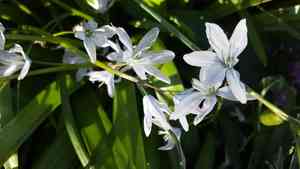
The ideal period for transplanting white squill coincides with spring's renewal, offering a mild environment for roots to take hold. Best positioning involves partial sunlight, and periodic transplanting advice can aid in ensuring successful adaptation.
What Preparations are Needed Before Transplanting White Squill?
What is the Ideal Time for Transplanting White Squill?
The optimal time for relocating white squill is during the promising days of early spring. This timing allows white squill to establish itself before the peak of summer. Moving and re-establishing white squill in new soil benefits from spring's mild temperatures and increased moisture, which aid root development and growth. Gently transitioning white squill at this time ensures a strong start, setting the stage for a lush, vibrant display. A friendly reminder: early spring care for white squill prepares it for seasons of beautiful blooms.
How Much Space Should You Leave Between White Squill Plants?
When preparing to transplant white squill, ensure sufficient space for the plants to grow and flourish. An ideal spacing for white squill is approximately 1-2 feet (30-60 cm) apart. This provides the plant ample room to spread.
What is the Best Soil Mix for White Squill Transplanting?
White squill prefers well-drained, loamy soils rich in organic matter. Incorporate some compost or a slow-release granular fertilizer into the soil before transplanting. This enriches the ground and ensures white squill has the necessary nutrients for a strong start!
Where Should You Relocate Your White Squill?
Choose a location that receives ample sunlight throughout the day to transplant white squill. These plants thrive in light! Some shade is acceptable, but excessive shade can hinder their growth. Position them accordingly.
What Equipments Should You Prepare Before Transplantation White Squill?
Gardening Gloves
To keep your hands protected while handling white squill and its soil.
Spade or Shovel
For digging the planting hole and extracting the plant from its current spot.
Gardening Fork
Helpful if the plant is being moved from a pot or tray, making it easier to loosen the soil.
Garden Trowel
For precise tasks, such as placing soil around the plant after positioning it in the hole.
Wheelbarrow or Container
To move the plant from its original location to the new site.
Watering Can or Hose
To hydrate the plant before and after transplantation to minimize transplant shock.
Mulch
To assist the soil in retaining moisture and deter weeds from the white squill after transplanting.
How Do You Remove White Squill from the Soil?
How Do You Remove White Squill from the Soil?
From Ground: Begin by watering the white squill to moisten the soil. Afterward, create a wide trench around the white squill using your shovel or spade, ensuring the root ball remains intact. Carefully work the spade beneath the root ball to lift the white squill from the ground, minimizing any root damage.From a Pot: Water the potted white squill and gently tilt it sideways to loosen the soil. Carefully pull the white squill plant by its base, removing it from the pot without pulling it by its leaves or stems.From a Seedling Tray: Use a gardening fork or a similar tool to gently remove white squill from the seedling tray. Be careful not to pull it by its stem or harm the root ball.
Step-by-Step Guide for Transplanting White Squill
Digging the hole
Measure the root ball of your white squill and dig a hole that's approximately twice as wide and the same depth in the new location.
Preparing the white squill
Gently loosen the roots of the white squill if they are tightly packed or tangled; this will encourage them to spread and grow in the new location.
Placing the white squill in the hole
Carefully place the white squill in the hole. Ensure the top of the root ball is level with or slightly below the ground surface.
Backfilling the hole
Refill the hole with the excavated soil. Lightly pat the soil around the base of white squill to eliminate air pockets.
Watering
Thoroughly water the white squill immediately after transplanting, saturating the soil around the plant to help it settle in.
How Do You Care For White Squill After Transplanting?
Watering
Ensure a consistent watering schedule; white squill will greatly benefit from the soil remaining consistently moist, but not waterlogged, for the initial weeks post-transplant to aid in strong root establishment.
Mulch Application
Apply a layer of mulch around the base of white squill. This will help the soil retain moisture and reduce the growth of competing weeds.
Observation
Monitor the white squill daily for the first few weeks. Signs such as wilting or yellowing leaves could indicate transplant shock. If this occurs, reduce direct sunlight exposure and ensure the plant is adequately watered. With proper care, white squill should recover and begin to establish itself in its new location.
Troubleshooting Common Issues with White Squill Transplantation.
What's the ideal season to transplant white squill?
A preferred time to transplant white squill is between early Spring to late Spring. This period allows for complete root healing before the onset of heat.
How should I prepare the soil for white squill?
Always loosen the soil with a garden fork before transplanting, improving its drainage. White squill prefers well-drained, loamy soil with some organic matter.
What's the preferential spacing for white squill when transplanting?
Ensure each white squill has adequate personal space. Ideal spacing is typically between 1-2 feet or 30-60 cm. This allows each plant sufficient sunlight and nutrients.
What's the proper depth for planting white squill?
Plant white squill bulbs about 3 inches (7.5 cm) deep. The bulb's top should be pointing upwards. This ensures the plant receives all it needs to thrive.
How frequently should I water white squill after transplanting?
Water white squill moderately after transplanting, then consistently once a week. However, avoid overwatering as it can lead to bulb rot. The plant requires more water during dry periods.
How can I ensure the transplanted white squill receives enough sunlight?
White squill requires full sunlight to partial shade. Therefore, be sure to place your plant where it is likely to receive an ample amount of daily sunlight.
What common mistakes should I avoid when transplanting white squill?
Avoid overwatering white squill and exposing it to intense heat, as this may harm the plant. Always ensure the correct planting depth and spacing to prevent overcrowding.
What can I do if the transplanted white squill looks unwell?
Firstly, verify your watering habits and sunlight provision. Inspect the plant for pests or diseases. If the condition doesn't improve, consider repotting again and apply an appropriate plant health treatment.
Does white squill require fertilizers during transplant?
White squill are not heavy feeders, but mixing in some slow-release granular fertilizer into the planting hole can set the plant up for better blooms.
How can I protect transplanted white squill during severe weather?
In severe hot or freezing conditions, consider moving the plants (if in pots) to shaded or indoor locations. Supplement with enough water during droughts and trim to prevent snow damage.



