How to Propagate White squill?
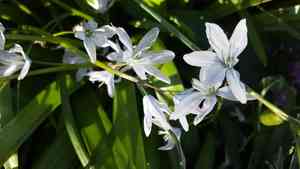
This enduring bulbous plant develops clusters that, with age, spread naturally to establish larger groupings. To multiply white squill, gently separate these clusters while the plant is inactive. Every segment ought to possess a minimum of one bulb, which can be immediately reinserted into soil that drains effectively. Confirm that the bulbs are positioned with sufficient room to allow for subsequent development, and irrigate them sparingly for establishment. This straightforward method of bulb separation is an effective technique for cultivators to augment their supply of white squill, guaranteeing steady flowering and expansion.
Optimal Time for White Squill Propagation
Propagation Method
Utilize The Tubers
Propagation Period
Spring
Tools for White Squill Propagation
Garden Trowel
This handheld implement is vital for excavating small holes and relocating white squill tubers. Its slender blade is especially useful for working in confined areas and minimizing harm to nearby roots. The trowel enables precise placement of tubers at the recommended planting depth, which is key for new white squill plants to establish successfully.
Watering Can with a Fine Rose
Crucial for gently irrigating newly planted white squill tubers, this device helps maintain adequate moisture without dislodging or exposing them. The 'fine rose' attachment disperses water evenly, ensuring the soil is damp but not waterlogged, which is essential to prevent tuber rot during early growth stages.
Grit or Permeable Mulching Material
Applying a layer of grit or other porous material around the planting area improves drainage and prevents water accumulation, a condition white squill is particularly vulnerable to. This practice fosters a healthier root environment, encouraging vigorous growth and reducing the risk of fungal infections.
Labels and Marker
Labeling is critical when propagating white squill, especially when managing multiple varieties or species in the same space. Durable labels and a permanent marker ensure that details about planting depth, location, and date are retained. This assists in monitoring growth and maintaining proper cultivation practices throughout white squill's development.
Caring for Newly Propagated White Squill
Caring for Newly Propagated White Squill
Post-propagation, continue to monitor soil moisture, allowing the substrate to dry slightly between waterings. As growth emerges, ensure white squill is not exposed to freezing temperatures. Fertilization isn't immediately required; however, a balanced slow-release bulb fertilizer can be applied annually at the start of the growing season to support robust development. Remove spent flowers after blooming to conserve the plant's energy. Mulching around plants can help maintain moisture levels and protect roots during extreme temperatures.
Common Errors to Avoid When Propagating White Squill
Ignoring specific substrate requirements
Using unsuitable soil can lead to poor root development and drainage issues for white squill, which can be detrimental to its propagation.
Overwatering during initial growth
Excess moisture can cause the bulbs of white squill to decay, severely impacting the plant's chance of successful growth and propagation.
Excessive handling of bulbs
Too much manipulation can damage the protective layers of white squill's bulbs, making them vulnerable to disease and hindering growth.
Neglecting cleanliness
Failing to use clean tools or pots can introduce pathogens to white squill, undermining propagation efforts.
Tips For Propagating White Squill
Use appropriate soil mix
A well-draining soil blend supports healthy root development for white squill, crucial for successful propagation.
Moderate watering
Balanced irrigation encourages strong growth without over-saturating the bulbs of white squill, preventing rot.
Gentle handling
Careful handling of white squill's bulbs preserves their integrity, promoting better growth.
Ensure cleanliness
Using sanitized tools and containers prevents the spread of diseases, supporting healthy propagation of white squill.



