Enhancing Your Garden Design with the White squill Plant: A Landscaping Guide
1
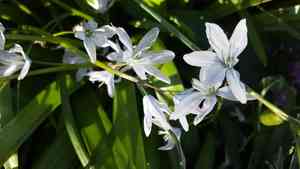
White squill enhances your garden's aesthetic with its charming flowers and vivid hues.
2
Selecting the appropriate site and sun exposure is vital for White squill's best development.
3
Consistent upkeep and suitable seasonal attention guarantee White squill's vitality and endurance in your outdoor space.
Introducing White Squill in Garden Design
Overview of White Squill as a garden feature
White squill offers a remarkable enhancement to any garden, valued for both its aesthetic charm and adaptability. This delightful plant integrates effortlessly into diverse garden aesthetics, from contemporary to classic. Its white blossoms create a delicate yet captivating display, making it a prominent element in any landscape plan.
Advantages of incorporating White Squill into garden schemes
Integrating White squill into your garden scheme provides numerous benefits. It delivers a burst of color and texture during its flowering period, elevating the overall visual appeal of your outdoor area. Moreover, White squill requires relatively little upkeep, making it an excellent choice for both beginner and seasoned gardeners. Its capacity to flourish in varied conditions makes it a versatile option for different garden types.
Selecting the Ideal Spot for White Squill
Considerations for choosing planting locations
Choosing the correct site for planting White squill is vital for its development and growth. Factors such as soil composition, drainage, and proximity to other plants should be taken into account. Ensure the soil drains well to prevent root decay, and steer clear of areas prone to water accumulation. Additionally, consider spacing between plants to allow adequate air circulation and prevent congestion.
Impact of light exposure on White Squill development
Light exposure significantly influences White squill's growth. These plants thrive best in partial to full sun, needing at least a few hours of direct sunlight daily. However, they can also adapt to slightly shaded spots. Providing optimal light conditions helps foster healthy growth and vibrant flowers, enhancing your garden's attractiveness.
Design Concepts Featuring White Squill
Integrating White Squill into perennial borders
Incorporating White squill into your perennial borders can add depth and diversity to your garden. Its delicate white flowers complement other perennials, creating a harmonious mix of colors and textures. Consider planting White squill alongside contrasting plants to make its blooms stand out even more.
Utilizing White Squill for color balance in the landscape
Strategically using White squill can help achieve color equilibrium in your landscape. Its neutral white blooms can be employed to soften more vibrant hues or introduce a calming effect to bold garden designs. Whether used as a filler or a focal point, White squill can bring a unified look to your landscape.
Crafting visually striking patterns with White Squill
Creating patterns with White squill can result in a visually stunning garden design. Plant them in clusters or drifts to form eye-catching designs and textures. Whether you opt for symmetrical arrangements or a more naturalized appearance, White squill can be used creatively to enhance the artistic appeal of your garden.
Seasonal Considerations for White Squill
Optimal times of year to plant White Squill for best growth
The ideal time to plant White squill is during autumn or early spring when the soil is workable and temperatures are moderate. Fall planting allows bulbs to establish roots before winter, leading to a robust display in spring. Early spring planting is also effective if the fall window was missed, ensuring White squill has ample time to establish before warmer months.
How seasonal changes affect White Squill
Seasonal shifts significantly impact White squill's life cycle. In spring, its blooms emerge, adding freshness to your garden. As summer approaches, ensure White squill receives sufficient water to sustain its growth, but be wary of overwatering. Fall is the time to plant new bulbs, and during winter, mulching is crucial to protect them from severe cold.
Maintaining White Squill in Your Landscape
Essential tips for ensuring White Squill's health and beauty
Maintaining White squill involves consistent watering, especially during dry spells, but avoid excessive watering to prevent bulb rot. Fertilize with a balanced feed during the growing season to encourage healthy blooms. Mulching helps retain soil moisture and temperature, safeguarding White squill during harsh weather, and regular deadheading promotes new flowers.
When and how to revitalize White Squill clumps in the garden
To keep White squill clumps vibrant, revitalize them every few years by dividing and replanting the bulbs. This process helps prevent overcrowding and ensures continued vigorous growth. The best time to divide White squill is after the foliage has died back, typically in late summer to early fall. Carefully lift the bulbs, separate them, and replant them at the correct depth.



