The White squill Plant Advantage: Maximizing Home and Office Appeal and Wellness
1
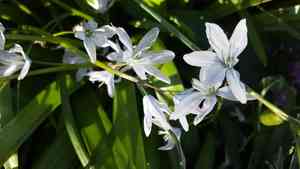
White squill flowers early in spring, adding vibrancy to your garden post-winter.
2
This robust perennial requires minimal care and tolerates diverse environmental conditions.
3
In addition to their aesthetic appeal, White squill aids pollinators such as bees and butterflies.
Why Select White squill for Your Garden?
What Makes White squill a Distinctive Addition?
A primary trait distinguishing White squill is its early flowering period. As one of the initial blossoms to appear following the cold winter months, White squill provides a much-needed burst of color, signaling spring's arrival. This early bloom not only brightens your garden but also offers a crucial food source for pollinators when other flowers are scarce.
How Does White squill Support Local Wildlife?
White squill plays a vital role in sustaining local wildlife, especially pollinators such as bees and butterflies. These insects are essential for the health of many ecosystems, and their presence ensures the pollination of numerous other plants. By cultivating White squill in your garden, you contribute to the survival and proliferation of these important species.
Ideal Growing Conditions for White squill
What Soil Is Optimal for White squill?
White squill flourishes in well-drained soil that retains moisture without becoming waterlogged. While it can endure various soil types, loosening the soil and incorporating organic matter like compost can significantly enhance growth. Ensuring proper drainage is crucial to prevent root rot and other moisture-related problems.
How Much Sunlight Does White squill Require?
While White squill adapts to different light conditions, it performs best in areas with full to partial sunlight. Too much shade can hinder blooming, while excessive direct sun in warmer climates can stress the plant. Ideally, position White squill where it receives morning sun and afternoon shade for optimal results.
How to Care for White squill
What Are the Watering Needs?
White squill needs moderate watering, especially during its active growth season in spring. Keep the soil consistently moist but not saturated. Once established, White squill is relatively drought-tolerant, allowing it to thrive with less frequent watering. Reduce irrigation in summer and fall when the plant is dormant.
How to Manage Fertilization?
Fertilizing White squill is quite simple. Applying a balanced, slow-release fertilizer in early spring as new growth begins can supply the necessary nutrients for healthy blooming. Avoid over-fertilization, as it can lead to excessive foliage growth at the expense of flowers. Organic options like compost or aged manure can also be beneficial.
Pest and Disease Management
What Pests Might Affect White squill?
An advantage of growing White squill is its relative resistance to many common garden pests. However, it's not entirely immune. Watch out for slugs and snails, which can be deterred using organic methods like creating barriers or employing traps. Proper plant spacing and regular garden cleaning can also lessen pest issues.
What Diseases Should I Be Aware Of?
White squill can be susceptible to fungal diseases like gray mold and bulb rot, particularly in damp conditions. Ensuring good air circulation and proper soil drainage can prevent these problems. If you notice any disease signs, such as discolored leaves or rotting bulbs, remove the affected parts immediately and adjust care practices to reduce moisture levels.



