How to Prune White squill?
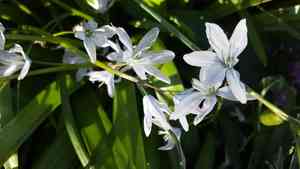
Originating from elevated terrains, white squill is celebrated for its stellar, pale blue inflorescences. For optimal results, eliminate spent flowers to stimulate further blossoming. While not essential, periodic removal of withered blooms enhances the plant's vitality. Following the blooming period, neaten the plant by cutting back the faded flowers. The most suitable time for trimming is in spring to preserve a tidy look. It is crucial to permit the foliage to naturally recede after flowering, ensuring energy reserves for the subsequent growing cycle. Thoughtful trimming provides cultivators with strong health and improved floral displays.
Advantages of Trimming White Squill
Advantages of Trimming White Squill
Trimming white squill promotes more vigorous and abundant blooms, encourages robust development, and helps maintain its desired shape, enhancing its visual appeal in garden designs.
Optimal Time for Pruning White Squill
Optimal Time for Pruning White Squill
The best times for pruning white squill are late spring and early summer, following its blooming period. This timing aligns with white squill's growth cycle, as it is a bulbous perennial with a dormant phase. Pruning in late spring allows for the removal of spent flower stalks, preventing white squill from expending energy on seed production and encouraging the plant to store energy in its bulb for the subsequent growing season. Early summer is also suitable as the foliage begins to yellow and recede, indicating the end of the plant's active growth. Removing dying leaves at this stage can help maintain plant vitality and appearance. It is crucial not to prune while white squill's leaves are still green and photosynthesizing, as this can weaken the bulb. Avoiding fall pruning is essential because it is close to the plant's winter dormancy, and any cuts might not heal properly, leaving white squill susceptible to disease.
Necessary Tools for Pruning White Squill
Sharp Scissors or Pruning Shears
For trimming white squill's foliage, sharp scissors or hand pruners are ideal as they create clean cuts without harming the delicate leaves and stems.
Garden Gloves
Wearing garden gloves is recommended to protect hands when handling white squill, which may have sharp edges on its leaves.
Garden Sanitizer or Disinfectant
Using a disinfectant for pruning tools is important to prevent disease transmission when caring for white squill. Cleaning blades before and after use ensures healthy plant maintenance.
How to Prune White Squill
Sanitize
Start by sterilizing your pruning tools to prevent disease spread to white squill. Use alcohol wipes or a bleach and water solution to disinfect your shears or scissors before use.
Remove Diseased Leaves
Carefully inspect white squill and identify any leaves showing signs of illness. With your sterilized pruning tools, cut diseased leaves at their base where they meet the stem, avoiding damage to healthy tissue.
Trim Withered Leaves
Locate withered or dead leaves on white squill, which typically appear dry, brown, or crumpled. Gently trim these leaves close to the stem, ensuring not to pull or tear, which could injure white squill.
Deadhead Flowers
Once white squill's flowers have faded, deadhead them by snipping the flower stalk as close to the bloom's base as possible. This promotes future flowering and prevents white squill from using energy for seed production.
Clean Up
After pruning, remove all cuttings from the soil around white squill to maintain cleanliness and deter pests. Dispose of the removed plant material properly, especially if it contained any diseased parts.
Common Pruning Errors with White Squill
Excessive Pruning
Removing too much foliage or too many bulbs at once can shock white squill and hinder its growth or flowering ability.
Incorrect Cutting
Making jagged cuts or tearing stems can create wounds on white squill that are susceptible to disease and pests.
Pruning During Active Growth
Cutting back white squill when it is actively growing can reduce its vigor and disrupt its growth cycle.
Neglecting Tool Hygiene
White squill can be affected by diseases spread through uncleaned pruning tools. Always clean and sterilize tools before use.
Careless Bulb Disposal
Accidental disposal or damage to white squill's bulbs during pruning can diminish the plant's ability to propagate and thrive.
Ignoring Plant Structure
Pruning without considering white squill's natural shape and structure can lead to an undesirable appearance and harm the plant.
General Pruning Advice for White Squill
Timely Pruning
Prune white squill after it flowers to allow its leaves to gather energy and naturally die back, preparing the plant for the next season.
Sharp Tools
Use sharp, clean pruning shears or scissors to make precise cuts that prevent damage and encourage rapid healing.
Minimal Pruning
White squill typically needs minimal pruning, so only remove dead or yellowed foliage to maintain plant health and aesthetics.
Bulb Health
When pruning, ensure white squill's bulbs are left undisturbed and intact to promote regrowth in the next season.
Cut At Base
When removing spent foliage, cut as close to the base as possible without damaging the bulb for a cleaner look and to prevent disease.
Disinfect Tools
Disinfect pruning tools before and after use to prevent the spread of pathogens to and from white squill.
Gentle Handling
Handle white squill gently during pruning to avoid damage to its bulbs and roots, which are vital for its survival and propagation.



