How to Transplant Mountain sage?
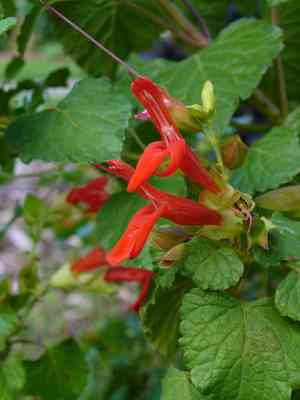
The ideal period for relocating mountain sage is as warmer weather begins to embrace our days, generally from late spring through early summer. Select a sunny location featuring soil that drains effectively. Provide a thorough watering post-transplant to foster vigorous root growth.
What Preparations are Needed Before Transplanting Mountain Sage?
What is the Ideal Time for Transplanting Mountain Sage?
The optimal period for relocating mountain sage is from late spring to early summer. This timeframe offers mild weather, allowing the plant's roots ample opportunity to establish in their new setting before intense summer heat. Moving mountain sage during this window provides the dual advantage of pleasant temperatures and warm soil, fostering robust root development. You'll find mountain sage is more likely to flourish, setting the stage for a stunning display of its vibrant blooms. Carefully moving mountain sage to its new location during this season highlights your dedication to its journey from a modest start to a thriving garden favorite.
How Much Space Should You Leave Between Mountain Sage Plants?
Provide your mountain sage with adequate room to flourish! Aim for a spacing of approximately 18-24 inches (45-60 cm) between plants. This ensures their roots have sufficient space to expand and their foliage can absorb sunlight without overcrowding adjacent plants.
What is the Best Soil Mix for Mountain Sage Transplanting?
Prepare your garden bed with well-draining soil; mountain sage thrives in it! If possible, incorporate some loamy or sandy soil. Give them a strong start by enriching the soil with a balanced, slow-release fertilizer.
Where Should You Relocate Your Mountain Sage?
Locate a sunny spot for your mountain sage as they love bright conditions! An area with full sun exposure for at least 6 hours daily is perfect. They can tolerate some shade, but excessive shade might result in fewer flowers.
What Equipments Should You Prepare Before Transplantation Mountain Sage?
Gardening Gloves
To safeguard your hands while handling soil and the plant.
Shovel or Spade
For excavating the mountain sage plant and subsequently digging the hole at the transplant site.
Garden Trowel
To refine the planting hole and assist in settling the plant into the ground.
Watering Can or Hose
For hydrating the mountain sage before and after its relocation.
Pruning Shears
To trim any broken or damaged roots and stems.
Wheelbarrow or Garden Cart
To move the mountain sage from one spot to another, if needed.
Garden Fork
Useful for loosening the soil around the plant's root ball.
How Do You Remove Mountain Sage from the Soil?
How Do You Remove Mountain Sage from the Soil?
From Ground: First, water the mountain sage to moisten the soil, making it easier to manage. Use a shovel or spade to dig a wide circle around the plant, carefully preserving the root ball. Gently slide the shovel beneath the root ball to lift the entire plant from the ground.From Pot: Water the mountain sage to loosen the roots. Turn the pot sideways, tap the bottom, and carefully pull the plant out by the base of the stem. If it's stuck, you can use a garden trowel to loosen the soil along the pot's edges.From Seedling Tray: Water the seedlings to keep the soil intact. Use a garden trowel or your fingers to gently lift the mountain sage seedling from its compartment, ensuring as much soil as possible remains around the roots.
Step-by-Step Guide for Transplanting Mountain Sage
Preparation
Water the mountain sage thoroughly several hours prior to transplantation. This ensures the plant is well-hydrated and less stressed by the move.
Excavate Root Ball
Carefully dig around the drip line and then beneath the root ball to excavate the plant. Aim to keep the root ball as intact as possible.
Transportation
Move the excavated mountain sage to its new location. If the new site is not nearby, place the root ball in a wheelbarrow or garden cart.
Hole Preparation
Dig a hole as deep as the root ball and twice its width. This allows the roots to spread out easily.
Planting
Position the mountain sage in the center of the hole. Ensure it sits at the same depth as it was previously, with the root crown level with the soil surface.
Fill-in Soil
Backfill the hole with the excavated soil, gently tamping down to remove air pockets.
Watering
Water the mountain sage generously to settle the soil. Create a water basin around the plant to direct moisture to the roots.
How Do You Care For Mountain Sage After Transplanting?
Monitoring
Regularly check soil moisture, ensuring it's consistent while avoiding waterlogged conditions. Water the mountain sage when the top inch of soil feels dry to the touch.
Staking
Provide support with a stake if the mountain sage is large or top-heavy to prevent it from leaning or being dislodged by strong winds.
Adjustment Period
Allow the mountain sage time to adapt to its new environment. It's normal for the plant to show signs of stress immediately after transplanting, but new growth should appear within a few weeks.
Troubleshooting Common Issues with Mountain Sage Transplantation.
When is the best time to transplant mountain sage?
Optimal transplanting occurs during late spring to early summer, when growth is vigorous.
How far apart should I space mountain sage when transplanting?
Ensure each mountain sage is spaced approximately 18-24 inches (45-60 cm) apart to allow for growth.
What soil conditions favor mountain sage after transplanting?
Aim for well-draining soil with organic matter. Check pH level; mountain sage prefers slightly acidic to neutral.
How deep should I plant mountain sage during transplanting?
Transplant mountain sage with the root ball level to the ground and cover lightly with soil.
How much should I water mountain sage after transplanting?
Water generously post-transplant, then establish a regular watering schedule to keep soil moist.
What should I do if mountain sage wilts after transplanting?
Wilting can be due to shock. Keep soil moist and provide shade for a few days.
How can I protect mountain sage from transplant shock?
Minimize root disturbance and transplant during cooler parts of the day to prevent shock.
Can I use fertilizer after transplanting mountain sage?
Wait a few weeks before applying a balanced fertilizer to let mountain sage root firmly in its new spot.
What are the signs that mountain sage is thriving post-transplant?
Look for new growth in leaves and stems, indicating successful acclimatization of mountain sage.
Should I prune mountain sage during transplanting?
Light pruning may encourage new growth, but heavy pruning should be avoided during the transplant phase.



