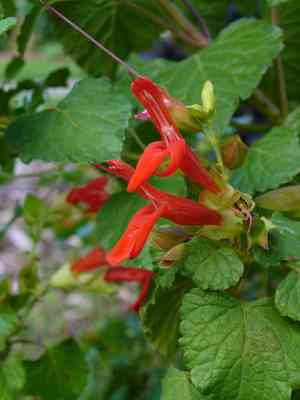
Mountain sage (Salvia regla)
Also known as: Mountain Sage, Mexican Red Sage
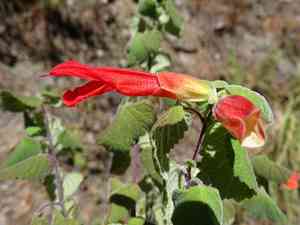
Mountain sage, a perennial from warm, sunny regions, features vibrant red or orange tubular flowers that bloom in late summer to fall. These flowers often attract hummingbirds and butterflies. The plant has aromatic, green leaves arranged oppositely on its square stems, a signature trait of the mint family. Its vigorous growth and eye-catching flowers make it popular in decorative gardens.
In This Article
Attributes of Mountain sage
Lifespan
Perennial
Plant Type
Shrub
Plant Height
91 cm to 1.8 m
Spread
3 to 4 feet (0.9 to 1.2 meters)
Leaf Color
Green
Flower Size
1 to 2 inches (2.5 to 5 cm)
Flower Color
Scarlet red to orange-red
Images of Mountain sage
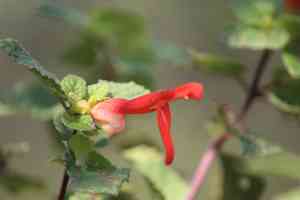
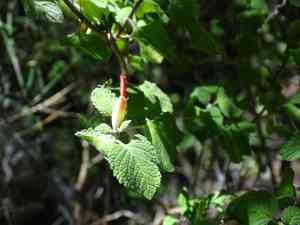
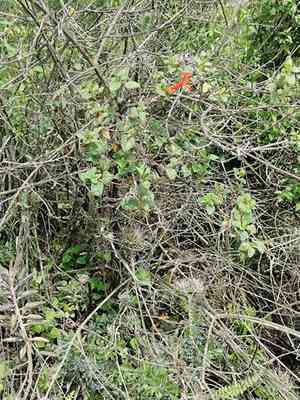
Quickly Identify Mountain sage
1
Look for a shrub with woody stems and bright red tubular flowers. The leaves are typically ovate, with a slightly serrated edge. The plant blooms in the fall, and it\'s often found growing in full sun or partial shade conditions.
Scientific Classification of Mountain sage
Phylum
Vascular plants
Class
Dicotyledons
Order
Lamiales
Family
Mint
Genus
Sages
Species
Mountain sage
Planting and Growing of Mountain sage
Care Difficulty
Easy
Watering Schedule
Every 2 days
Sunlight Requirements
Full sun
Sunshine Duration
4-8 hours
Ideal Temperature
60-75℉
Soil Type
Potting Mix, Peat Mix
Soil pH
6.5-7.5
Fertilizer Type
Balanced
Pruning Season
Spring, Summer
Pruning Area
Branches, Leaves
Pruning Frequency
2 times a year
Repotting Season
Spring
Pot Type
Plastic, Ceramic
 How to Water Mountain sage?
Salvia regla prefers a deep watering that thoroughly moistens the soil, allowing excess water to drain away. Water until around 500 ml is absorbed, ensuring the top layer is damp but not soggy. This helps the plant maintain steady moisture without waterlogging the roots.
What are the symptoms of an underwatered Mountain sage?
›
What should I do if my Mountain sage is not getting enough water?
›
What are the symptoms of an overwatered Mountain sage?
›
How to save an overwatered Mountain sage?
›
 What Are the Sunlight Requirements for Mountain sage?
Salvia regla flourishes in full sun to partial sun. Providing this range allows it to have vibrant leaf color and abundant flowers, achieving optimal growth conditions.
What is the best light for Salvia regla?
›
How can I ensure Salvia regla receives ideal lighting?
›
What are the benefits of ideal lighting for Salvia regla?
›
 What Is the Ideal Temperature Range for Mountain sage?
Salvia regla thrives best within temperatures ranging from 60 to 75°F. This range facilitates healthy growth and flowering by optimizing photosynthesis and metabolic processes. The plant is most vibrant and productive when consistently kept within this range, enabling it to maintain energy balance and cell function.
 What Soil is Best for Mountain sage?
Salvia regla thrives in well-draining soils, which are crucial for preventing root rot and ensuring healthy growth. A well-drained soil allows excess water to move away swiftly, reducing the risk of waterlogged conditions that could harm the roots. A nutrient-rich medium is essential for Salvia regla to promote robust flowering and vibrant foliage. Incorporating organic matter like compost can enhance soil fertility, giving the plant a steady supply of necessary nutrients. While Salvia regla prefers well-drained soils, it still requires consistent moisture to thrive. Moderate moisture levels ensure the plant can establish itself without suffering drought stress, vital during hot, dry periods.
 How to Fertilize Mountain sage?
When it comes to fertilizing Salvia regla, less is more. Typically, a balanced fertilizer at half the recommended dose on the package is sufficient. This means if the package suggests one tablespoon per gallon of water, use just half a tablespoon per gallon for this plant to avoid excessive nutrient buildup which can be harmful.
 How to Prune Mountain sage?
Begin pruning Salvia regla by removing any dead or damaged stems. Use sharp, sterilized shears to make clean cuts just above a pair of leaves to encourage new growth. Aim to shape the plant by cutting back up to one-third of its current size, focusing on overgrown areas. This will promote a denser and more aesthetically pleasing plant. To prolong the blooming season, regularly deadhead spent flowers. This involves pinching or cutting off the flower stems just above a leaf node. Deadheading can encourage the plant to produce more blooms, resulting in a more vibrant display throughout the season.
More About Pruning Techniques→
 How to Propagate Mountain sage plant?
1
Collect ripe seeds from the Salvia regla in its natural habitat. Prepare a seed tray with well-draining soil, lightly sow the seeds, and then cover them with a thin layer of soil. Keep the tray in a warm, bright location and water gently to maintain consistent moisture until seedlings emerge.
2
Identify healthy stems in late spring or early summer. Cut 4-6 inch sections with at least two leaf nodes. Immerse the cut end in rooting hormone, then plant the cutting in a pot filled with a sterile potting mix. Keep the pot in a humidified environment and maintain moderate moisture for optimal growth.
3
Carefully dig up an established Salvia regla plant in early autumn. Use a sharp tool to divide the root clump into smaller sections, each with viable roots and shoots. Replant these divisions in their new growing locations, ensuring they have adequate space to grow and spread.
 How to Repot Mountain sage plant?
1
The ideal time to repot Salvia regla is when you notice roots emerging from drainage holes, indicating it's root-bound. Another signal is reduced growth despite optimal care, signifying the need for more space.
2
Select a pot that is 1-2 inches larger in diameter than the current one. This allows the roots to expand while preventing excess soil, which can retain unnecessary moisture, thus encouraging healthy root development.
3
Opt for a well-draining sandy soil mix specifically designed for desert plants. This mix helps prevent root rot by allowing excess water to escape and ensuring sufficient air circulation around the roots.
Learn More About Mountain sage Diseases
Anthracnose
Bacterial Leaf Spot
Bacterial Soft Rot
Bacterial Wilt
Black Spot
Chemical Injury
Crown Gall
Cyst Nematode
Damping-off
Downy Mildew
Drought Stress
Fusarium Wilt
Gray Mold
Leaf Curl
Leaf Spot
Mosaic
Nutrient Deficiency
Nutrient Toxicity
Powdery Mildew
Root Rot
Root-knot Nematode
Rusts
Sooty Mold
Spider Mites
Temperature Stress
Thrips Damage
White Mold



