The Mountain sage Plant Advantage: Maximizing Home and Office Appeal and Wellness
1
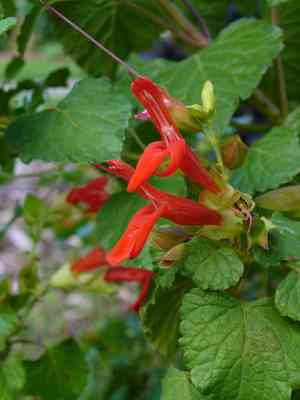
Mountain sage features striking orange-red blooms that draw in hummingbirds and bees.
2
This species tolerates dry conditions well, making it ideal for gardens requiring minimal upkeep.
3
Mountain sage serves as an excellent choice for establishing natural boundaries and improving garden beauty.
Why Select Mountain Sage for Your Outdoor Space?
Visual Appeal
Mountain sage is celebrated for its vivid blooms, which span from deep orange to fiery red. These flowers are not only beautiful to observe but also draw in pollinators like hummingbirds and bees. Incorporating Mountain sage into your garden can thus boost its aesthetic charm while also supporting local wildlife.
Minimal Upkeep Requirements
A primary advantage of Mountain sage is its ability to withstand dry conditions. Unlike many decorative plants that demand frequent watering, Mountain sage can flourish even in arid environments. This makes it an excellent choice for those who prefer a garden that needs little attention. Moreover, this resilient plant resists many common pests and diseases, meaning you'll spend less time and money on pest management and plant care.
How Can Mountain Sage Enhance Your Landscape?
Forming Natural Boundaries
With its dense foliage and striking flowers, Mountain sage is ideal for establishing natural borders in your garden. These boundaries can serve various purposes, from defining different garden areas to providing a natural barrier that can deter pests.
Soil Erosion Prevention
Beyond its visual and ecological benefits, Mountain sage also plays a vital role in preventing soil erosion. Its extensive root system helps to stabilize the soil, making it a superb option for gardens situated on slopes or areas prone to erosion. By planting Mountain sage, you can not only beautify your garden but also contribute to the long-term health of your soil.
What Are the Optimal Growing Conditions for Mountain Sage?
Ideal Soil and Sunlight
Mountain sage thrives in well-draining soil and needs full to partial sunlight to prosper. While it can adapt to various soil types, ensuring the soil isn't waterlogged is crucial for the plant's well-being. If your garden soil is heavy clay, consider amending it with compost or sand to improve drainage.
Watering and Fertilization Needs
Although drought-tolerant, young Mountain sage plants require consistent watering until they are established. Once mature, occasional deep watering will suffice. Regarding fertilization, a balanced, all-purpose fertilizer applied once in the spring will help encourage robust growth and abundant flowering.
How to Integrate Mountain Sage into Your Garden Design?
Complementary Plantings
To fully appreciate the beauty of Mountain sage, consider pairing it with other drought-resistant plants such as lavender, rosemary, or ornamental grasses. These companion plants can enhance the overall aesthetic and create a harmonious garden design.
Seasonal Considerations
Mountain sage typically blooms from late summer to early fall, offering vibrant color when many other plants begin to fade. Planning your garden with this in mind can ensure continuous visual interest throughout the growing season.



