How to Propagate Mountain sage?
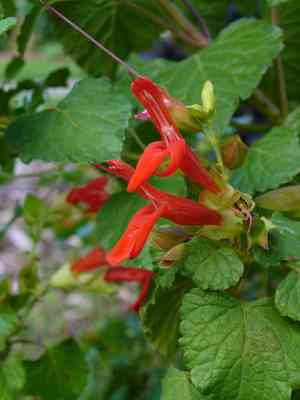
Mountain sage is primarily multiplied via cuttings. Tender, fresh shoots offer the most suitable material for propagation. It is recommended to collect cuttings in the spring or early summer, providing ample opportunity for them to develop roots prior to the onset of colder weather. For optimal results, apply a rooting stimulant to the severed end before embedding it in a porous soil blend. Elevated humidity and steady dampness will foster root formation while preventing decay. After rooting, mountain sage ought to be gradually introduced to drier environments to encourage robust development.
Optimal Timing for Mountain Sage Propagation?
Propagation Method
Cutting
Propagation Period
Spring,Summer
Tools Required for Mountain Sage Propagation?
Sharp Pruning Shears
These are crucial for obtaining healthy, clean sections from mountain sage. They ensure the cut has a precise, neat edge, which helps reduce infection risk and promotes better rooting. The sharpness also prevents damage to the parent plant, aiding its recovery and ongoing health.
Rooting Hormone
This substance is applied to the base of cut mountain sage stems before planting. Rooting hormone speeds up root development and increases the likelihood of successful establishment. This is especially beneficial for mountain sage, fostering quicker root formation which is vital for its survival and growth.
Sterilization Equipment (e.g., Rubbing Alcohol)
This is used to sanitize pruning shears before and after taking cuttings. Keeping tools clean helps prevent disease transmission between plants, which is essential when propagating mountain sage to ensure both the cuttings and the parent plant remain healthy.
Potting Mix
A well-draining, nutrient-rich potting mix is ideal for mountain sage cuttings. It provides necessary support and an environment for new roots to grow, preventing waterlogging which could lead to rot. The mix's composition should suit mountain sage's specific needs, promoting aeration and drainage.
Propagation Trays or Pots
These containers hold the potting mix and mountain sage cuttings. Using trays or pots designed for propagation can boost success rates by ensuring good drainage and easy handling. They also help maintain the necessary humidity and temperature to encourage root development.
Plastic Covers or Mini Greenhouses
These items are used to cover propagation trays or pots to create a humid environment that mountain sage cuttings prefer for rooting. This setup helps maintain consistent moisture and warmth around the cuttings, key factors supporting new root growth.
How to Propagate Mountain Sage?
Propagation Difficulty
Moderately Difficult
Caring for Your Newly Propagated Mountain Sage?
Caring for Your Newly Propagated Mountain Sage?
Once the mountain sage cutting has rooted and shows new growth, gradually introduce it to less humid conditions before moving it outdoors if the climate permits. Water the plant regularly, allowing the soil to dry slightly between waterings. Full sun to partial shade is optimal for vigorous growth. Fertilizing every 4-6 weeks during the growing season will support its health and flowering potential.
Common Errors to Avoid When Propagating Mountain Sage
Overwatering cuttings
Saturating the soil can cause root rot in mountain sage cuttings, hindering root development and potentially killing the young plants.
Using non-draining containers
Containers lacking proper drainage trap excess water around mountain sage roots, increasing the risk of root diseases and negatively impacting overall health and growth.
Cuttings taken from inappropriate plant parts
Taking cuttings from non-vigorous or diseased parts of mountain sage can lead to poor rooting and weak plants, reducing propagation success.
Advice for Propagating Mountain Sage
Utilize well-draining soil
For mountain sage, a well-draining soil mixture helps prevent moisture-related issues and promotes healthier root development.
Select healthy parent plants
Choosing robust and disease-free parts of mountain sage for cuttings ensures a higher success rate, as these parts contain optimal energy and resources for root initiation.
Maintain moderate humidity
Creating a balanced humidity environment around the mountain sage propagation site helps maintain necessary moisture for cuttings without risking fungal growth.



