Enhancing Your Garden Design with the Mountain sage Plant: A Landscaping Guide
1
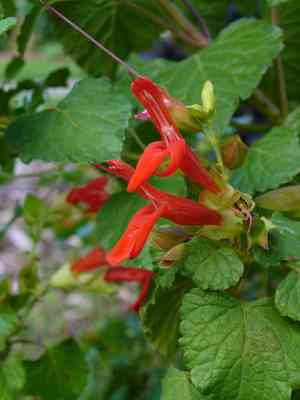
Mountain sage brings vivid hues and interesting feel to any garden space.
2
Mountain sage is recognized for its ability to withstand dry conditions, making it perfect for eco-friendly landscaping.
3
Mountain sage flourishes in diverse weather conditions, especially in soil that drains effectively.
Introducing Mountain Sage in Garden Design
Appreciating Mountain Sage's Visual Charm
Mountain sage's striking beauty is one of its most appealing features. Its vivid hues can effortlessly enhance any garden's visual appeal. The blossoms of Mountain sage come in stunning shades that attract not only people but also pollinators like bees and butterflies. The plant's foliage adds another layer of texture, providing a lush backdrop that can make other plants in your garden stand out. When grouped, Mountain sage can create a dramatic and captivating display that serves as a focal point in your landscape.
Mountain Sage's Role in Sustainable Gardening
Mountain sage is an excellent choice for gardeners focused on sustainability. This plant is known for its drought tolerance, making it a superb option for xeriscaping. By including Mountain sage in your garden, you reduce the need for frequent watering and help conserve valuable water resources. Furthermore, Mountain sage can improve soil health through its root systems, which help prevent soil erosion and enhance soil structure. Its ability to attract pollinators also supports local ecosystems, fostering biodiversity in your backyard.
Brief Overview of Mountain Sage's Natural Habitat and Adaptability
Native to regions with well-draining soils, Mountain sage is highly adaptable and can thrive in various conditions. It is typically found in mountainous areas, which speaks to its resilience and hardiness. Whether your garden is in an urban setting or in the countryside, Mountain sage can easily adapt to your local climate conditions with minimal fuss. It's a versatile plant that not only survives but flourishes, making it a reliable choice for gardeners of all skill levels.
Designing with Mountain Sage: Getting Started
Selecting the Ideal Spot for Mountain Sage in Your Yard
When planning to incorporate Mountain sage into your landscape design, the first step is to choose the optimal location. Mountain sage prefers full sun but can tolerate partial shade. Ensure the soil is well-drained to prevent waterlogging, which can lead to root rot. Position Mountain sage in places where it can get ample sunlight and where you can appreciate its beauty, such as along garden paths or near patios. If you want to create a visually appealing composition, consider pairing Mountain sage with plants that have complementary colors and similar water requirements.
Pairing Mountain Sage with Other Plants
To maximize Mountain sage's visual impact, consider plant partnerships. It pairs wonderfully with other drought-tolerant species like ornamental grasses, succulents, and fellow perennials that thrive in similar conditions. Mixing Mountain sage with plants of varying heights and textures will create a dynamic and layered landscape. Additionally, consider your garden's color palette; using plants that either contrast or harmonize with Mountain sage's vibrant blooms can produce a stunning visual effect.
Seasonal Considerations for Planting Mountain Sage
The best time to plant Mountain sage is during the cooler months, either in early spring or fall, allowing the plant to establish roots before the extreme temperatures of summer or winter. While Mountain sage is relatively low-maintenance once established, young plants will benefit from regular watering initially. Planning your planting to coincide with the mild weather will reduce the stress on the plants and set them up for robust growth.
Practical Tips for Integrating Mountain Sage into Your Landscape
Incorporating Mountain Sage in Compact Gardens
Even with limited space, Mountain sage can still be a valuable addition to your garden. It can be beautifully integrated into small garden beds or containers. Consider using raised beds to make the most of vertical space and to ensure good drainage. Grouping several Mountain sage plants together in a container can create a striking display that adds color and texture to patios, balconies, or any compact outdoor area. The ease of container planting also allows you to reposition plants to catch the sun or to redesign your space as needed.
Using Mountain Sage for Color and Texture Contrast
One of Mountain sage's strengths is its ability to provide both color and texture contrasts in the garden. Its bold flowers stand out against a backdrop of green foliage, creating a sense of depth and dimension. When designing your space, consider placing Mountain sage next to plants with contrasting leaf shapes or colors. For example, the slender, grassy leaves of certain ornamental grasses can provide a perfect counterpoint to the bold, textured leaves of Mountain sage, adding an extra layer of visual interest.
Maintenance Advice for Healthy Mountain Sage Plants
Maintaining Mountain sage in optimum health is relatively straightforward. Regularly check for pests and diseases, though the plant is generally resistant. Pruning spent flowers can encourage new blooms and keep the plant looking tidy. Mulching around the base can help retain moisture and suppress weeds. Fertilizing in early spring with a balanced, slow-release fertilizer can give the plant a nutrient boost to support vigorous growth throughout the growing season.
Innovative Uses of Mountain Sage in Contemporary Landscaping
Creating Focal Points with Mountain Sage
Mountain sage can serve as a stunning focal point in your landscape design. Its vibrant flowers draw the eye, making it an excellent candidate for the centerpiece of a flower bed or as a standout plant in a mixed border. Place Mountain sage in prominent locations where its beauty can be fully appreciated. Using it strategically can create visual anchors in your garden, providing structure and a touch of drama.
Enhancing Walkways and Patios with Mountain Sage
Consider lining your walkways and patios with Mountain sage to create a beautiful transition space. The plant's colorful blooms can guide the eye along a path, enhancing the journey through your garden. Whether you have a modern, minimalist patio or a more traditional garden path, Mountain sage can add a burst of color and a welcoming ambiance. This kind of placement not only beautifies high-traffic areas but also ensures that the plant is seen and enjoyed up close.
Eco-Friendly Landscaping with Mountain Sage
Incorporate Mountain sage into eco-friendly landscaping designs to promote sustainability and support local ecosystems. Its low water requirement makes it an excellent choice for water-wise gardens. By choosing native and drought-tolerant plants like Mountain sage, you contribute to conserving water and reducing garden maintenance time and costs. Additionally, its attractiveness to pollinators fosters a healthy and vibrant garden ecosystem, promoting biodiversity and supporting local wildlife.



