How to Prune Mountain sage?
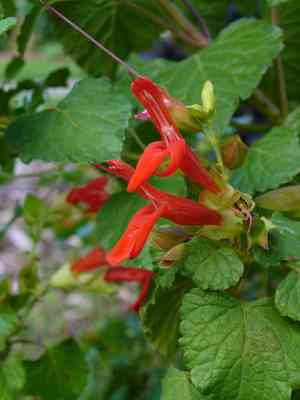
This perennial woody plant, recognized for its vibrant crimson blossoms and appeal to hummingbirds, flourishes with appropriate care. For mountain sage, perform minor trimming in early spring to preserve its form and foster denser development. Removing faded flowers can encourage additional blooms. Eliminate any lifeless or compromised branches to support the plant's well-being. Strategic pruning boosts flowering and deters sparse growth, guaranteeing a dense, appealing look. Refrain from extensive pruning, as it may diminish its capacity to flower.
What Are the Benefits of Pruning Mountain Sage?
What Are the Benefits of Pruning Mountain Sage?
Trimming mountain sage promotes vigorous development and helps maintain an attractive form. It ensures the plant's energy is directed towards healthy growth and abundant blooms, maximizing its aesthetic appeal and garden performance.
What Is the Best Time for Pruning Mountain Sage?
What Is the Best Time for Pruning Mountain Sage?
Early spring is the optimal period for pruning mountain sage as this timing allows for the removal of any winter damage before new growth commences. Pruning at this time enables gardeners to shape the plant and foster healthier, more robust development in the upcoming season. Furthermore, since mountain sage flowers on new wood, pruning in early spring guarantees that the plant's energy is channeled into producing fresh, floriferous growth, thereby not impacting its bloom potential. This timing also helps to minimize stress on mountain sage, as the plant is still somewhat dormant and can recover quickly, leading to a strong start as temperatures rise.
What Tools Do I Need to Prune Mountain Sage?
Hand pruners
Perfect for cutting stems up to 3/4 inches in diameter, ensuring clean cuts for healthy regrowth in mountain sage.
Pruning shears
Best for shaping mountain sage's plant structure due to their sharp blades and comfortable grip for precision cuts.
Pruning saw
Essential for removing any larger, woody stems of mountain sage that hand pruners cannot manage.
Loppers
Provide the leverage needed for cutting thicker branches of mountain sage that are up to 1 1/2 inches in diameter.
Hedge shears
Useful for trimming and shaping the overall form of mountain sage if it is being grown as a hedge or requires bulk pruning.
Gardening gloves
Protect hands from thorns and sap while pruning mountain sage.
Cleaning solution
To clean the tools after pruning mountain sage, preventing the spread of disease between plants.
How to Prune Mountain Sage
Clean Tools
Before beginning to prune mountain sage, thoroughly clean and sterilize pruning shears or scissors. This prevents the spread of disease and ensures cleaner cuts.
Remove Diseased Parts
Carefully examine mountain sage for diseased leaves and branches. Using the prepared tools, prune these parts first to prevent the infection from spreading to healthy parts of the plant.
Trim Dead Material
Identify and remove dead branches and withered leaves from mountain sage. Cut these parts back to the base or to the nearest healthy wood, making sure not to damage the healthy tissue.
Shape Plant
Shape mountain sage by trimming overgrown branches to maintain a desirable shape and size. This promotes better air circulation, which reduces the risk of disease.
Cleanup
Collect all pruned material and clean up the area around mountain sage to prevent any potential disease from remaining nearby. Dispose of the diseased and dead plant material properly.
Common Pruning Mistakes with Mountain Sage
Overpruning
Removing too much foliage at once can stress mountain sage, weakening the plant and potentially leading to reduced flowering or even plant death.
Improper Cut Locations
Cutting either too close to the main stem, which can harm mountain sage, or too far away from a bud can result in unsightly stubs that may invite disease and pests.
Using Dull Tools
Utilizing dull pruning shears can cause jagged cuts that are more difficult for mountain sage to heal, leaving the plant vulnerable to infections.
Pruning Without Reason
Cutting back mountain sage without a clear purposeâsuch as shaping, removing dead wood, or encouraging new growthâcan lead to unnecessary damage and reduce the plant's vigor.
Ignoring Diseased Material
Failing to remove diseased or damaged parts of mountain sage during pruning can allow disease to spread throughout the plant.
Common Pruning Tips for Mountain Sage
Clean Cuts
Make clean cuts at a 45-degree angle just above a leaf node or bud to promote healthy re-growth and minimize the risk of disease in mountain sage.
Sanitation
Disinfect pruning tools before and after use to prevent the spread of disease between plants when pruning mountain sage.
Selective Pruning
Prune selectively to maintain the desired shape and encourage airflow within mountain sage, targeting leggy stems, dead or diseased wood, and weak growth.
Encouraging Flowering
To stimulate blooming, prune mountain sage after flowering by cutting back the spent flower stems to just above a new lateral shoot or leaf set.
Deadheading
Regularly remove faded flowers from mountain sage to encourage continuous bloom and prevent energy from being wasted on seed production.



