How to Transplant Fragrant Sage?
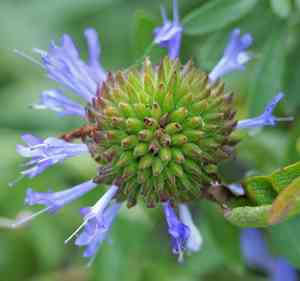
For aromatic Sage, the ideal period is when spring's warmth embraces the garden, promoting excellent root development. Select bright, well-drained locations, amend the soil with beneficial nutrients, avoid setting plants too deeply, and provide ample hydration after transplanting.
What Preparations are Needed Before Transplanting Fragrant Sage?
What is the Ideal Time for Transplanting Fragrant Sage?
The perfect period for relocating fragrant Sage is the spring season. This time offers mild temperatures and balanced sunlight, promoting strong root development and reducing stress for fragrant Sage. By transplanting under these conditions, you give fragrant Sage ample opportunity to settle in before summer heat, optimizing its resilience and vibrant blooms. This strategic timing complements the preparatory work, ensuring your fragrant Sage flourishes in its new spot.
How Much Space Should You Leave Between Fragrant Sage Plants?
When moving fragrant Sage, remember to provide sufficient room for growth! Ideally, these beautiful plants should be spaced approximately 2-3 feet (60-90 cm) apart. This ensures they have plenty of space to thrive without competing with each other.
What is the Best Soil Mix for Fragrant Sage Transplanting?
Preparing the soil for fragrant Sage starts with selecting well-drained soil, preferably sandy or loamy. For an extra boost, incorporate a balanced base fertilizer – it's like giving your plant a multi-vitamin! Just be sure to follow the package directions carefully!
Where Should You Relocate Your Fragrant Sage?
Fragrant Sage thrives in sunlight and will flower best in a spot where it can absorb full sun. Don't worry if you lack a sunny location; fragrant Sage is quite adaptable and will also tolerate partial shade.
What Equipments Should You Prepare Before Transplantation Fragrant Sage?
Gardening Gloves
To protect your hands when handling the plant and soil.
Spade or Shovel
Useful for both digging up the fragrant Sage plant from its original spot and preparing the new planting hole.
Gardening Trowel
Perfect for managing smaller plants or those in containers.
Pruning Shears
To trim any damaged roots or overgrown branches prior to transplantation.
Watering Can or Hose
To hydrate the plant before and after the procedure.
Wheelbarrow or Garden Cart
For moving the plant to its new location, especially if it's a large or mature fragrant Sage plant.
How Do You Remove Fragrant Sage from the Soil?
How Do You Remove Fragrant Sage from the Soil?
From Ground: Start by watering the fragrant Sage plant to moisten the soil, making removal easier. Next, with your shovel or spade, dig a wide trench around the plant, being careful not to harm the root ball. Gradually work the spade or shovel under the root ball to lift the plant without damaging its roots.From Pot: Begin by thoroughly watering the plant. Then, gently invert the pot and tap it to loosen the root ball, allowing the plant to slide out smoothly. If the plant is stuck, you may need to cut the pot.From Seedling Tray: Water the trays and then use a gardening trowel or even a spoon to scoop out the fragrant Sage seedling along with the surrounding soil, protecting the delicate root system.
Step-by-Step Guide for Transplanting Fragrant Sage
Preparation
Start by thoroughly watering the fragrant Sage plant several hours before transplanting to minimize transplant shock.
Digging
In the new location, excavate a hole that is twice as wide and just as deep as the plant's root ball using a shovel or spade.
Placement
Carefully position the fragrant Sage in the hole. Ensure it sits at the same depth as it was in its previous spot. Fill in the hole gently but firmly to eliminate any air pockets.
Watering
Once the fragrant Sage is planted, water it thoroughly to settle the soil around the roots.
Monitoring
Observe the plant closely for the first few weeks, looking for any signs of transplant shock, including wilting, yellowing, or dropped leaves.
How Do You Care For Fragrant Sage After Transplanting?
Watering
Ensure the fragrant Sage plant is adequately watered but avoid over-watering as it can lead to root rot. The soil should be moist but not waterlogged.
Pruning
Trim any damaged or dead parts of the plant to encourage new growth.
Protection
If you're transplanting during a hot, sunny season, consider using shades or garden fabric to shield the fragrant Sage plant from intense midday sunlight.
Monitoring
Keep a close watch on your plant's progress, observing both growth and signs of distress, including disease or pest infestations.
Troubleshooting Common Issues with Fragrant Sage Transplantation.
What is the best season to transplant fragrant Sage?
The ideal season to move fragrant Sage is from early spring to late summer. This allows the plant ample time to establish before winter cold.
What is an ideal spacing when planting fragrant Sage?
Proper spacing is crucial for fragrant Sage to grow. Maintain at least a 2-3 feet (60-90 cm) gap between each plant to ensure healthy development.
How should I prepare the ground before transplanting fragrant Sage?
The ground should be well-tilled and free of weeds. Ensure the soil is fertile for fragrant Sage, add compost or an organic soil amendment if needed.
What should be the depth of the hole when transplanting fragrant Sage?
Dig a hole that is twice as wide and equally deep as the pot containing fragrant Sage. This provides the root system ample room to establish itself.
How often should I water fragrant Sage after transplanting?
Water fragrant Sage thoroughly right after transplanting. Regularly water it during the initial weeks but be careful not to overwater.
What can I do if fragrant Sage wilts after transplanting?
Fragrant Sage might wilt due to transplant shock. Keep the soil moist, not waterlogged. Place the plant in partial shade, and avoid extreme temperatures.
What should be done if fragrant Sage's growth is stunted post-transplant?
Ensure fragrant Sage is receiving sufficient sunlight and the soil is well-drained. If the issue persists, consider applying a slow-release fertilizer to boost growth.
Can fragrant Sage be transplanted immediately after purchase?
Allow fragrant Sage to acclimate to its new environment for a few days before transplanting. This often reduces the risk of shock and promotes healthier growth.
Why are the leaves of fragrant Sage turning brown after transplanting?
This could be due to water stress or sunburn. Adjust watering habits, and if the plant is in direct sunlight, consider moving it to a partly shaded location.
How to help fragrant Sage establish quickly post-transplanting?
Minimize stress by maintaining favorable growth conditions for fragrant Sage. Water regularly, protect from harsh weather, and inspect for pests or diseases.



