How to Prune Fragrant Sage?
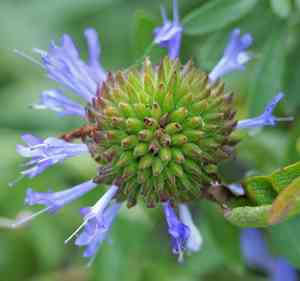
This fragrant, arid-resistant bush, recognized for its spirals of violet blossoms and aromatic leaves, thrives with judicious pruning. To achieve peak vitality and flowering, trim fragrant Sage during the late spring or early summer period, following the decline of its first blooms. Reduce its size by one-third to foster a denser form and eliminate withered flower stalks to prompt a subsequent flowering. Trimming preserves its structure, deters excessive woodiness, and elevates the plant's aesthetic value. Employ sanitized, keen implements to avert the spread of pathogens.
Advantages of Trimming Fragrant Sage
Advantages of Trimming Fragrant Sage
Trimming fragrant Sage promotes abundant flowering and vigorous development. It aids in preventing pest infestations and illnesses by eliminating dead or unhealthy foliage, thereby sustaining plant vitality and well-being.
Optimal Period for Pruning Fragrant Sage
Optimal Period for Pruning Fragrant Sage
Late spring is considered the best time for pruning fragrant Sage as it allows the plant to recover from any winter frost damage and precedes the main growth phase. This timing leverages the natural growth cycle, encouraging strong new growth and shaping the plant as it enters its active season. Early summer pruning is also appropriate, aligning with the conclusion of fragrant Sage's initial flowering cycle. Pruning at this time enhances the plant's health and vigor, stimulates a second bloom in areas with extended growing seasons, and helps maintain an appealing form. Pruning fragrant Sage after it blooms reduces the chance of cutting off developing flower buds, thus preserving the plant's aesthetic appeal for the season. These periods are selected to minimize stress on fragrant Sage, maximize its flowering potential, and improve its overall structure without hindering growth.
Necessary Tools for Pruning Fragrant Sage
Hand Pruners
Perfect for making precise cuts on stems and smaller branches. Hand pruners are suitable for fragrant Sage as they allow targeted cutting without harming surrounding foliage.
Gloves
Hand protection during fragrant Sage pruning, enabling safe handling of the plant which might have sharp edges or be abrasive.
Pruning Saw
Useful for removing larger, mature stems or branches too thick for hand pruners. A pruning saw ensures clean cuts that facilitate good healing.
Loppers
Designed for cutting through thicker stems or branches with greater leverage than hand pruners, loppers are appropriate for larger growth that may occur on fragrant Sage.
Shears
Shears can be used for shaping fragrant Sage and trimming soft growth, though they should be used sparingly to preserve the plant's natural form.
Pruning Scissors
These are ideal for deadheading and light shaping of fragrant Sage, allowing for precision without disrupting the plant's overall appearance.
How to Prune Fragrant Sage
Disease Removal
Identify and eliminate any diseased leaves and branches from fragrant Sage to stop infection spread. Use clean, sharp pruning shears and cut into healthy tissue just below affected areas.
Dead Material Removal
Trim away all dead branches, withered leaves, and spent flowers from fragrant Sage. This aids in promoting healthy growth and improving air circulation. Ensure cuts are made close to the base of the dead material without harming healthy parts.
Thinning
Thin out excessive growth branches to shape fragrant Sage and enhance its natural form. Remove selected branches by cutting them back to a main stem or a natural fork, ensuring remaining branches have ample space for sunlight and air.
Cleanup
After pruning fragrant Sage, clear all removed plant debris from around the base to deter pests or diseases from settling. Dispose of the material to prevent any potential pathogen spread.
Tool Care
Clean and sterilize pruning tools after use to prevent disease transfer to other plants. This hygiene maintenance contributes to the overall health of fragrant Sage and your garden.
Common Pruning Errors with Fragrant Sage
Overpruning
Removing too much foliage at once can stress fragrant Sage, diminishing its vigor and flowering potential. A general guideline is to remove no more than one-third of the plant's volume during a pruning session.
Cutting Too Close
Cutting branches too near the main stem can damage the collar, the area where the branch connects, which can impede healing and lead to disease.
Uneven Cuts
Making jagged or uneven cuts can prevent fragrant Sage from healing properly, leaving it susceptible to pests and diseases.
Using Blunt Tools
Pruning fragrant Sage with dull tools can damage plant tissue, resulting in ragged cuts more prone to disease.
Not Cleaning Tools
Failing to clean pruning tools before use can spread disease between plants. Disinfect tools before and after pruning fragrant Sage.
Ignoring Dead Or Diseased Wood
Neglecting to remove dead or diseased branches can hinder fragrant Sage's growth and may lead to further health issues.
General Pruning Advice for Fragrant Sage
Sanitizing Tools
Use alcohol or a bleach solution to sanitize pruning tools before and after working on fragrant Sage to prevent disease spread.
Sharp Tools
Utilize sharp bypass pruners or loppers to make clean, straight cuts, which help fragrant Sage heal faster and minimize disease risk.
Cutting Angle
Cut branches at a 45-degree angle approximately 1/4 inch above an outward-facing bud to promote outward growth and prevent water accumulation, which could cause rot.
Selective Pruning
Prune selectively to remove just the right amount of growth. Focus on thinning crowded areas to increase air circulation and light penetration, which encourages healthy growth in fragrant Sage.
Shape Maintenance
Prune fragrant Sage to maintain its natural shape. Avoid excessive shaping, which can lead to unnatural growth patterns and reduced flowering.
Post-Bloom Trimming
Deadhead spent flowers to encourage continuous blooming throughout the season. This not only keeps fragrant Sage looking tidy but also promotes the production of new flowers.



