How to Propagate Fragrant Sage?
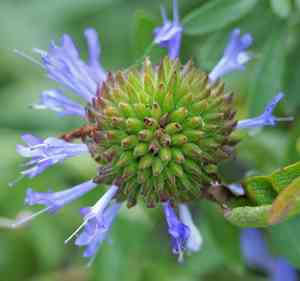
A key component of water-wise landscaping and indigenous to regions with a Mediterranean climate, aromatic Sage flourishes in ample sunlight and soil that drains effectively, exhibiting drought tolerance. Its reproduction is best achieved via cuttings, utilizing robust, non-blooming stalks and removing the bottom leaves. To encourage peak development, apply a rooting stimulant and place in a sterilized, damp potting substrate, maintaining elevated humidity and warmth away from direct solar exposure until root systems emerge.
Optimal Time for Fragrant Sage Propagation
Propagation Method
Cutting
Propagation Period
Spring,Summer
Tools for Fragrant Sage Propagation
Sharp Pruning Shears
Crucial for making clean, precise cuts when taking cuttings from fragrant Sage. Sharp blades prevent stem damage, which can impede rooting. Non-stick, rust-resistant blades are recommended for hygiene and durability.
Rooting Hormone
Enhances the success rate of root development in fragrant Sage cuttings. Hormones, typically auxins, stimulate faster rooting, which is essential during the vulnerable initial stages of propagation. This boosts the overall establishment of new plants.
Sterile Propagation Medium
Offers a clean, disease-free environment for new roots to form. An ideal mix for fragrant Sage includes perlite, vermiculite, and peat, providing sufficient moisture retention for rooting while ensuring good aeration to prevent rot. Sterility is vital to avoid harmful fungal and bacterial growth.
Humidity Domes
Maintains high humidity around fragrant Sage cuttings, preventing desiccation before roots develop. A humidity dome or plastic cover creates a moist micro-environment conducive to root growth. Regular venting is necessary to prevent excessive moisture and potential fungal issues.
Heating Mats
Promotes ideal root development temperatures for fragrant Sage cuttings. Warming the root zone is important for accelerating rooting, especially in cooler conditions. A heating mat set to a moderate temperature can significantly improve rooting success by providing steady warmth.
How to Propagate Fragrant Sage?
Propagation Type
Moderately Difficult
Caring for Newly Propagated Fragrant Sage
Caring for Newly Propagated Fragrant Sage
Once fragrant Sage cuttings have developed a robust root system, transfer them to their permanent location, either a pot or garden bed. Fragrant Sage prefers well-draining soil and full to partial sun. After establishment, water deeply but infrequently to encourage deep root growth, and prune in early spring to promote a bushy habit. They are drought-resistant once mature, requiring minimal water in well-drained soils.
Common Errors to Avoid When Propagating Fragrant Sage
Overwatering Cuttings
Excessive water can cause rot in fragrant Sage cuttings, diminishing the likelihood of successful root formation.
Planting Cuttings Too Deep
Inserting fragrant Sage cuttings too far into the soil can lead to stem rot and impede the development of new roots.
Using Poorly Draining Soil
Soil that retains too much moisture is detrimental for fragrant Sage, as it thrives in well-drained conditions.
Neglecting Humidity for Cuttings
Ignoring the need for elevated humidity levels when propagating fragrant Sage from cuttings can result in the cuttings drying out and failing.
Ignoring Health of Parent Plant
Taking cuttings from an unhealthy or weak parent fragrant Sage plant can lead to poor or non-viable propagations due to a lack of vitality.
Tips For Propagating Fragrant Sage
Use Sharp, Clean Tools
Ensuring sterile and sharp tools are used for taking fragrant Sage cuttings prevents disease transmission and promotes clean cuts for better rooting.
Proper Cutting Length
Ideally, fragrant Sage cuttings should be 4-6 inches long to balance moisture retention and surface area for root growth.
Dipping in Rooting Hormone
Applying rooting hormone to the base of fragrant Sage cuttings can enhance root development and increase propagation success rates.
Monitor Moisture Levels
Maintaining consistent but moderate soil moisture is crucial for fragrant Sage cuttings to develop roots without rotting.
Provide Indirect Light
Exposing fragrant Sage cuttings to indirect sunlight encourages healthy growth without the stress of direct, harsh light.



