Enhancing Your Garden Design with the Fragrant Sage Plant: A Landscaping Guide
1
Salvia clevelandii is a adaptable plant suitable for diverse garden styles and layouts.
2
The best times to plant Salvia clevelandii are during the spring and autumn.
3
Appropriate care for Salvia clevelandii can draw in native animals and foster ecological variety.
Introducing Fragrant Sage to Your Landscape
Understanding Fragrant Sage's role in garden beauty
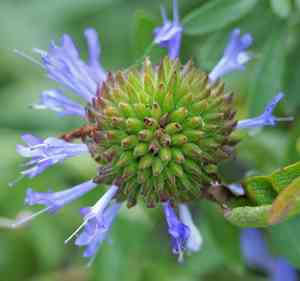
To enhance your garden's visual appeal, Fragrant Sage offers a distinct mix of aesthetic charm and practical advantages. Its vivid foliage and delicate blooms create a striking visual impact. It not only adds color and texture but also its aromatic quality boosts sensory delight. By including Fragrant Sage, you introduce an element that engages both sight and smell, making your garden a more inviting and calming space.
Why choose Fragrant Sage for your outdoor areas
There are several compelling reasons to consider Fragrant Sage for your landscape. Firstly, its known drought tolerance makes it an excellent option for water-wise gardening. Secondly, its low-maintenance nature allows gardeners of all skill levels to enjoy its beauty with minimal effort. Furthermore, Fragrant Sage exhibits strong resistance to pests and diseases, ensuring its longevity and sustained health in various environmental conditions. These qualities make Fragrant Sage an essential addition to modern, sustainable landscapes.
Designing with Fragrant Sage
Integrating Fragrant Sage into garden themes
Fragrant Sage is remarkably versatile and can suit a variety of garden themes. Whether you're aiming for a Mediterranean garden, a woodland sanctuary, or even a contemporary minimalist space, Fragrant Sage integrates seamlessly. Its soft, aromatic leaves and beautiful flowers can complement other plants and garden features, bringing unity and harmony to your landscape. By understanding your garden's theme, you can strategically place Fragrant Sage to enhance the overall design and feel.
Balancing colors and textures with Fragrant Sage
Achieving a balance of colors and textures in your garden is vital for creating a visually pleasing area. Fragrant Sage provides a unique texture with its lush, aromatic leaves and prominent flower spikes, which can beautifully contrast with other plants. Consider pairing Fragrant Sage with plants that have different foliage shapes or colors for a dynamic look. For instance, combine it with silver-leaved plants or grasses for an elegant and refined palette that highlights Fragrant Sage's natural beauty.
Creating focal points using Fragrant Sage
Establishing focal points in your garden can attract attention and add interest. Fragrant Sage can serve as a stunning centerpiece due to its captivating flowers and abundant foliage. Planting Fragrant Sage in key locations, such as entrances, pathways, or as a backdrop to garden art, can create a significant visual impact. Grouping several Fragrant Sage plants together can also form an attractive mass, making it a prominent feature in your landscape design.
Practical Planting Tips for Fragrant Sage
Optimal seasons for planting Fragrant Sage
The best times to plant Fragrant Sage are during the spring and autumn. These periods offer moderate temperatures and sufficient rainfall, which helps the plants establish their root systems before the more extreme conditions of summer or winter. By planting in these seasons, you give Fragrant Sage the best possible start, ensuring vigorous growth and vitality.
Soil and sunlight requirements
Fragrant Sage thrives in well-drained soil and full sun. It's crucial to select a garden spot that receives at least six hours of direct sunlight daily. The soil should be amended if necessary to ensure it isn't too dense, allowing roots to breathe and water to penetrate effectively. By meeting these conditions, you provide Fragrant Sage with the ideal environment to flourish.
Spacing and grouping strategies
Correct spacing is essential when planting Fragrant Sage. Allow at least 18 to 24 inches between each plant to ensure adequate air circulation and prevent overcrowding. Grouping Fragrant Sage in odd numbers, such as threes or fives, can create a natural and appealing look. This approach not only enhances visual appeal but also helps maintain plant health by reducing competition for resources.
Maintaining and Sustaining Fragrant Sage
Watering practices for optimal growth
Fragrant Sage is relatively low-maintenance regarding watering. It prefers to remain on the drier side, so it's crucial not to overwater. Water the plants deeply but infrequently, allowing the soil to dry out between watering sessions. Deep watering encourages roots to grow deeper, making the plant more drought-resistant over time.
Trimming and seasonal care
Regular trimming is beneficial for maintaining the shape and promoting the health of Fragrant Sage. Prune the plants in spring to remove any dead or damaged stems, which encourages new growth. During blooming seasons, deadhead spent flowers to extend the blooming period and keep the plant looking neat. Seasonal care ensures your Fragrant Sage remains vibrant and visually appealing throughout the year.
Long-term health and perennial aspects
Fragrant Sage is a perennial plant, meaning it can live for several years with proper care. Once established, it requires minimal maintenance and can withstand various climate conditions. Mulching in late fall helps protect the roots during winter, ensuring the plant's survival and continuous growth cycle. By focusing on long-term health, you can enjoy the aesthetic and ecological benefits of Fragrant Sage for years to come.
Ecological Benefits of Fragrant Sage in Landscapes
Supporting local wildlife with Fragrant Sage
Cultivating Fragrant Sage in your garden can significantly contribute to the local ecosystem. Its flowers attract pollinators such as bees, butterflies, and hummingbirds, supporting their populations. Providing a food source and habitat for these creatures promotes biodiversity and helps maintain ecological balance.
Contribution to biodiversity
Introducing Fragrant Sage into your landscape can enhance biodiversity by adding to the variety of plant species. This diversity is beneficial for creating a resilient garden that can withstand pests and diseases. A biodiverse garden also provides a wider range of habitats for various insects and animals, contributing to a healthier environment.
Sustainability aspects of growing Fragrant Sage
Fragrant Sage is a sustainable choice for water-conscious gardeners. Its drought-resistant nature means it requires less water compared to many other ornamental plants. By choosing Fragrant Sage, you contribute to water conservation efforts, making your garden more sustainable and eco-friendly. Additionally, the plant's low maintenance and long lifespan reduce the need for chemical inputs, further enhancing your garden's sustainability.



