How to Transplant Sand dune willow?
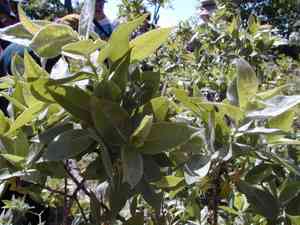
The optimal window for relocating sand dune willow extends from the onset of early spring's thaw through the bloom of late spring, or from the close of autumn into the depths of mid-winter. These intervals offer sand dune willow a smooth adjustment, enabling its root system to anchor in temperate conditions. Confirm sand dune willow is situated in adequately draining earth within a sun-drenched location for peak development, and during the transplanting process, gently manage the root ball to minimize plant shock.
What Preparations are Needed Before Transplanting Sand Dune Willow?
What is the Ideal Time for Transplanting Sand Dune Willow?
The optimal period to relocate sand dune willow is at the start of spring or as winter concludes. This favorable season allows roots to become established in mild temperatures before extreme heat or cold arrives, providing your sand dune willow the best beginning in its new spot. A helpful tip: transplanting during this window aligns with nature's growth cycle, boosting your sand dune willow's survival and flowering potential!
How Much Space Should You Leave Between Sand Dune Willow Plants?
When arranging sand dune willow, aim for approximately 15-20 feet (4.5-6 meters) of separation. This provides ample room for them to thrive without crowding, ensuring each plant receives sufficient sunlight and soil nutrients.
What is the Best Soil Mix for Sand Dune Willow Transplanting?
For sand dune willow, prepare a well-draining soil rich in organic material. Incorporate a balanced, slow-release fertilizer at the base to give your sand dune willow an excellent start. A pH level of 6-7 is perfect for sand dune willow.
Where Should You Relocate Your Sand Dune Willow?
Select a sunny location for your sand dune willow as they flourish in full sunlight. Ensure the chosen area receives at least 6 hours of direct sun daily to encourage robust growth and blooming.
What Equipments Should You Prepare Before Transplantation Sand Dune Willow?
Shovel or Spade
To excavate the plant and create a new cavity at the relocation site.
Gardening Gloves
To safeguard your hands while handling soil and the plant.
Watering Can or Hose with Gentle Spray Setting
To hydrate the sand dune willow before and after its relocation.
Wheelbarrow or Garden Cart
Useful for moving the sand dune willow and soil amendments if necessary.
Pruning Shears
For trimming any damaged roots or branches prior to transplanting.
Garden Trowel
For refining the planting hole or extracting a plant from a small container.
Root Pruning Saw or Sharp Knife
In situations where large roots require a clean cut.
How Do You Remove Sand Dune Willow from the Soil?
How Do You Remove Sand Dune Willow from the Soil?
From Ground: First, moisten the sand dune willow to hydrate the soil and reduce root stress. Carefully dig a wide and deep trench around the plant using a shovel or spade, extending well beyond the foliage to encompass the entire root system. Work the tool beneath the root ball and gently lift the sand dune willow from the ground.From Pot: Begin by watering the sand dune willow to facilitate root ball removal. Invert the pot and gently tap its sides and bottom to loosen the root ball. Then, slowly slide the sand dune willow out while supporting the stem's base with your hand.From Seedling Tray: Water the seedling tray to allow for easy removal of the sand dune willow. Use a garden trowel or spoon to carefully lift each plant, retaining as much root and soil as possible.
Step-by-Step Guide for Transplanting Sand Dune Willow
Timing
Relocate sand dune willow during its dormant period or early spring to minimize stress and promote successful establishment.
Site Preparation
Clear the new planting area of weeds and rocks, and prepare a hole twice as wide but equally deep as the sand dune willow's root ball.
Root Preparation
Examine the sand dune willow's roots and trim any dead or excessively long ones. If pot-bound, gently untangle the roots to encourage outward growth.
Planting
Position sand dune willow in the center of the hole at the same depth as its original location. Backfill around the root ball with soil, gently firming it to eliminate air pockets.
Watering
After planting, thoroughly water the sand dune willow to settle the soil and provide hydration. Use a gentle spray to avoid disturbing the soil.
Stabilization
If sand dune willow is top-heavy or in a windy spot, provide support with stakes to keep it upright until roots are firmly established.
How Do You Care For Sand Dune Willow After Transplanting?
Regular Watering
Maintain consistent moisture levels for the sand dune willow, especially during the initial growing season post-transplant. Avoid overwatering, which can lead to root rot.
Mulching
Apply a layer of mulch around the base of the sand dune willow to help retain soil moisture, regulate temperature, and reduce weed competition.
Pruning
Prune any broken or damaged branches after transplanting to direct the sand dune willow's energy towards root development and recovery.
Monitoring
Observe the sand dune willow for signs of transplant shock, such as wilting or leaf drop, and take appropriate action promptly.
Troubleshooting Common Issues with Sand Dune Willow Transplantation.
What's the best time to transplant sand dune willow?
Relocate sand dune willow in the gentle period of early to late spring, or as autumn transitions to mid-winter.
How far apart should sand dune willow be spaced when transplanting?
Provide ample space for sand dune willow, aiming for a distance of 15-20 feet (4.5-6 meters) to allow for full development.
How do I prepare the soil for sand dune willow transplanting?
Enrich the soil with organic matter, ensuring it is well-drained yet moist, to welcome sand dune willow's roots.
Why are my transplanted sand dune willow plants wilting?
Wilting may indicate shock or dehydration. Ensure consistent moisture and provide shade to alleviate transplant stress.
How deep should the hole be for transplanting sand dune willow?
Dig a suitable bed twice the width of the root ball and equally deep, to encourage unrestricted growth.
Should I prune sand dune willow when transplanting?
Gently trim damaged roots and one-third of the upper growth to balance root loss and stimulate vitality.
What's the ideal watering schedule post-transplant for sand dune willow?
Ensure the soil remains consistently moist, watering deeply at the base of sand dune willow to establish roots.
Can I transplant sand dune willow during summer?
It's preferable to wait for cooler months, as the summer heat can stress sand dune willow during its establishment phase.
How to protect sand dune willow after transplanting?
Shield sand dune willow with mulch to conserve moisture, deter weeds, and provide temperature stability during root establishment.
Why isn't my transplanted sand dune willow thriving?
Check for incorrect planting depth, insufficient watering, poor soil conditions, or pest issues, and adjust care accordingly.



