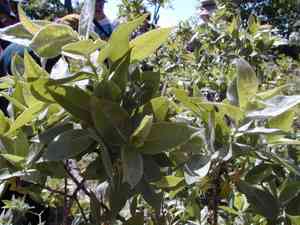
Sand dune willow (Salix cordata)
Also known as: Heartleaf willow
The shrub you're describing is the sand dune willow (*Salix cordata*), which is also referred to as the furry willow or heartleaf willow. This perennial species typically reaches heights between 91 and 366 cm. It is indigenous to North America and commonly found in habitats such as sand dunes and along riverbanks.
In This Article
Attributes of Sand dune willow
Lifespan
Perennial
Plant Type
Shrub
Plant Height
91 cm to 3.5 m
Spread
1.8 m to 3.5 m
Leaf Color
Green with a silvery underside
Flower Size
5 cm to 8 cm
Flower Color
Yellow Green
Images of Sand dune willow
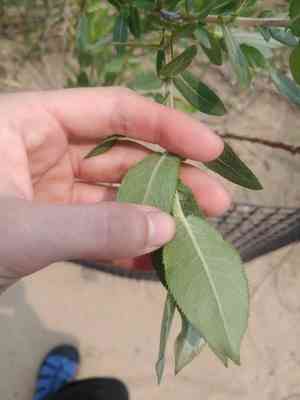
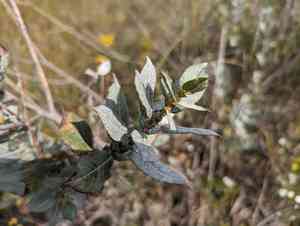
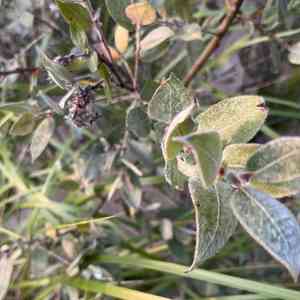
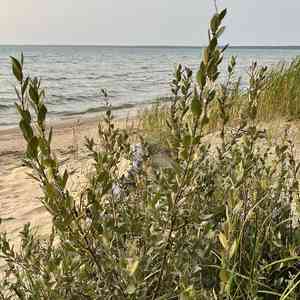
Quickly Identify Sand dune willow
1
To identify Salix cordata, look for a multi-stemmed shrub with narrow, lance-shaped leaves. The leaves are finely serrated along the margins and have a silvery-green underside. It typically grows along riverbanks and other moist areas.
Scientific Classification of Sand dune willow
Phylum
Vascular plants
Class
Dicotyledons
Order
Malpighiales
Family
Willow
Genus
Willows
Species
Sand dune willow
Planting and Growing of Sand dune willow
Care Difficulty
Easy
Watering Schedule
Every 8 days
Sunlight Requirements
Full sun
Sunshine Duration
4-8 hours
Ideal Temperature
60-75℉
Soil Type
Potting Mix, Peat Mix
Soil pH
6.5-7.5
Fertilizer Type
Balanced
Pruning Season
Spring, Summer
Pruning Area
Branches, Leaves
Pruning Frequency
2 times a year
Repotting Season
Spring
Pot Type
Plastic, Ceramic
 How to Water Sand dune willow?
For Salix cordata, ensure the soil is uniformly moist but not waterlogged by providing approximately 500 ml of water per session. The objective is to mimic the plant's natural habitat's moisture conditions, ensuring the water penetrates deeply enough for healthy root absorption without creating standing water.
What are the symptoms of an underwatered Sand dune willow?
›
What should I do if my Sand dune willow is not getting enough water?
›
What are the symptoms of an overwatered Sand dune willow?
›
How to save an overwatered Sand dune willow?
›
 What Are the Sunlight Requirements for Sand dune willow?
Salix cordata thrives best under partial to full sun, receiving at least 6 to 8 hours of light daily. Sufficient light promotes vibrant foliage, strong growth, and effective flowering capabilities in the plant.
More About Sunlight Requirements Techniques→
What are the ideal lighting conditions?
›
How can I achieve these lighting conditions?
›
What benefits do these conditions provide?
›
 What Is the Ideal Temperature Range for Sand dune willow?
The ideal temperature range for growing Salix cordata is between 60°F and 75°F. This range promotes optimal growth, allowing the plant to photosynthesize effectively and maintain proper metabolic functions. Ensuring temperatures within this range helps support lush foliage and healthy growth patterns.
 What Soil is Best for Sand dune willow?
Salix cordata requires well-drained soil to prevent waterlogging that can lead to root rot. Such soil ensures proper water movement and aeration, vital for its growth and health. While it needs well-drained conditions, retaining some moisture is essential for Salix cordata as it thrives better in slightly moist environments, promoting healthy growth and vigor. This plant benefits from soil rich in organic matter, which provides necessary nutrients. Nutrient-rich soil enhances its resilience, growth rate, and overall health.
 How to Fertilize Sand dune willow?
For Salix cordata, a balanced 10-10-10 liquid fertilizer is recommended at a rate of 1 tablespoon per gallon of water. Use slow-release granules with an NPK ratio of 14-14-14, using a moderate handful scattered around the base without disturbing the roots.
 How to Prune Sand dune willow?
Start by cutting back any dead or diseased branches. Look for signs such as discoloration, lack of leaves, or brittle wood. Removing these sections helps prevent disease spread and encourages healthy growth. Trim back overly long branches to maintain the desired shape of the willow. Aim to follow the natural contours but ensure enough light penetration and air circulation. This can also help prevent the willow from outgrowing its space.
More About Pruning Techniques→
 How to Propagate Sand dune willow plant?
1
Fill pots with a suitable growing medium such as a mix of peat and perlite. This provides good drainage while retaining enough moisture for root development and is essential for healthy propagation.
2
Using sterilized pruning shears, cut 20 cm sections from healthy Salix cordata branches. Ensure each cutting has at least two nodes, and make the cuts just below a node for optimal rooting.
3
Dip the cut ends of your cuttings into rooting hormone, then insert them into the prepared medium. Keep at least one node above the soil surface to enable leaf and shoot development.
 How to Repot Sand dune willow plant?
1
Salix cordata should be repotted when you observe roots piercing through the drainage holes or when water takes an unusually long time to seep through the soil. These are indications of a congested root system, requiring a more spacious pot to ensure healthy growth.
2
Select a pot that is at least 1-2 inches larger in diameter than the current one. This additional space provides the roots with ample room to expand, promoting robust growth. Ensure the pot has adequate drainage holes to prevent water stagnation, which can lead to root rot.
3
Opt for a loamy, well-drained soil mix. This type of soil ensures that Salix cordata receives optimal water retention without risk of waterlogging, while also providing essential nutrients for its growth. A well-draining mix prevents root rot and ensures healthier plant life.
Learn More About Sand dune willow Diseases
Anthracnose
Bacterial Leaf Spot
Black Spot
Chemical Injury
Crown Gall
Damping-off
Downy Mildew
Drought Stress
Fusarium Wilt
Gray Mold
Leaf Curl
Leaf Spot
Mosaic
Nutrient Deficiency
Nutrient Toxicity
Powdery Mildew
Root Rot
Root-knot Nematode
Rusts
Sooty Mold
Spider Mites
Temperature Stress
Thrips Damage
White Mold



