Enhancing Your Garden Design with the Sand dune willow Plant: A Landscaping Guide
1
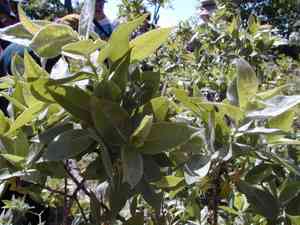
The sand dune willow is a adaptable indigenous plant, suitable for diverse garden designs.
2
Adding sand dune willow can enhance local biodiversity and ecological well-being.
3
Its minimal care requirements make the sand dune willow a great option for gardeners with limited time.
Introducing Sand Dune Willow in Landscape Design
Overview of Sand Dune Willow's native environment and growth characteristics
Hailing from sandy and coastal areas, Sand Dune Willow flourishes in well-drained soils and is adapted to arid conditions. Its natural growth pattern involves a sturdy, multi-stemmed shrub form, often reaching 5-10 feet in both height and width. This plant is well-suited to endure challenging environments, making it a resilient option for various landscaping schemes.
The visual appeal of Sand Dune Willow in garden and outdoor settings
Sand Dune Willow offers a distinct visual charm with its slender, arching branches and soft, graceful leaves. Its dynamic shape and textural qualities provide year-round interest, adding to the visual richness of your garden. Whether used as a focal point or integrated into a mixed planting arrangement, Sand Dune Willow enhances the beauty and structure of any landscape.
Advantages of Incorporating Sand Dune Willow into Your Garden
Ecological benefits of utilizing indigenous plants like Sand Dune Willow
Employing native plants such as Sand Dune Willow supports local ecosystems by offering habitat and resources for native wildlife. These plants are accustomed to the local climate and soil conditions, reducing the need for fertilizers and pesticides while promoting sustainable gardening practices.
How Sand Dune Willow can contribute to biodiversity and ecosystem vitality
Sand Dune Willow plays a crucial role in sustaining biodiversity by providing refuge and sustenance to various pollinators, birds, and beneficial insects. Its presence in a garden can foster a more balanced and robust ecosystem, contributing to overall garden health and resilience.
Low maintenance advantages of Sand Dune Willow for busy gardeners
One of the significant perks of Sand Dune Willow is its minimal upkeep requirements. Once established, it needs infrequent watering and is relatively pest-resistant. This makes it an ideal choice for gardeners seeking a sustainable, easy-to-care-for plant that offers aesthetic and environmental benefits with little effort.
Designing with Sand Dune Willow: Tips and Concepts
Integrating Sand Dune Willow into various garden styles: Formal, Cottage, and Contemporary landscapes
Sand Dune Willow is a versatile plant that blends seamlessly into diverse garden styles. In a formal garden, it can be shaped into hedges or utilized as a structural element. In a cottage garden, its natural form complements informal, whimsical plantings. For a modern landscape, Sand Dune Willow's clean lines and minimalist appeal serve as an excellent backdrop or feature plant.
Seasonal considerations when planting Sand Dune Willow
When planting Sand Dune Willow, consider the optimal seasons for its establishment. Spring and fall are ideal times, as cooler temperatures and increased rainfall aid new plants in settling. Summer planting is feasible with adequate irrigation, but it demands more frequent monitoring. Understanding seasonal needs ensures Sand Dune Willow thrives in your garden.
Companion planting: Optimal plants to pair with Sand Dune Willow
Pairing Sand Dune Willow with compatible plants can enhance your garden's diversity and visual appeal. Consider native grasses, wildflowers, and groundcovers that flourish in similar conditions. Plants like Sand Dune Willow's delicate foliage provide a beautiful contrast, creating a cohesive and harmonious landscape design.
Challenges and Solutions for Cultivating Sand Dune Willow
Common difficulties encountered when growing Sand Dune Willow and how to resolve them
While Sand Dune Willow is generally robust, it may face challenges such as inadequate soil drainage and exposure to strong winds. Ensure the planting site has well-drained soil and consider windbreaks to shield young plants. Regular pruning can help maintain its shape and encourage healthier growth.
Pest and disease management for a thriving Sand Dune Willow
Although Sand Dune Willow is resistant to many pests and diseases, occasional issues may arise. Common pests include aphids and scale insects, which can be managed with horticultural oils and natural predators. Maintaining good air circulation and proper spacing will help prevent fungal diseases. Regular monitoring and early intervention are crucial for keeping Sand Dune Willow healthy.



