How to Propagate Sand dune willow?
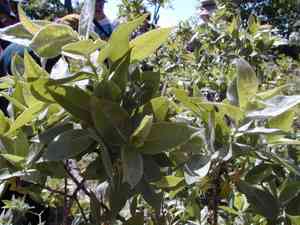
Sand dune willow thrives when reproduced via cuttings. Begin by choosing a robust, unblemished branch. Divide it into segments, with each segment possessing at least one growth point. Apply a rooting stimulant to the severed end to encourage root formation, then insert the cutting into damp, free-draining soil, ensuring the growth point is submerged. Sufficient illumination and steady hydration will foster rooting, facilitating the successful establishment of sand dune willow. For improved propagation success, semi-hardwood cuttings acquired during the active growth period are optimal.
Optimal Period for Sand Dune Willow Propagation?
Propagation Method
Cutting
Propagation Period
Autumn,Winter
Tools for Sand Dune Willow Propagation?
Pruning Shears
These are vital for obtaining healthy, precise cuttings from sand dune willow. Sharp, clean shears minimize harm to the parent plant and cuttings, aiding better healing and rooting.
Rooting Hormone
This compound promotes root development in sand dune willow cuttings. Applying rooting hormone to the cut end boosts successful rooting by stimulating root growth at the cut site.
Propagation Trays
These hold sand dune willow cuttings securely and neatly, providing an ideal environment for root development. Trays need excellent drainage to prevent waterlogging, which can cause rot.
Mist System
Maintaining high humidity around sand dune willow cuttings is crucial to prevent excessive water loss until roots form. A mist system helps keep the environment humid, vital for their survival and growth.
Peat Pots
Peat pots are biodegradable and can be planted directly into the soil, reducing root disturbance when transplanting young sand dune willow plants. This benefits the integrity of the new, fragile root system.
How to Propagate Sand Dune Willow?
Propagation Difficulty
Moderately Difficult
Caring for Newly Propagated Sand Dune Willow?
Caring for Newly Propagated Sand Dune Willow?
After successful propagation, gradually lower humidity around new sand dune willow plants and increase outdoor exposure. Water regularly to keep soil consistently moist but not soggy, as sand dune willow thrives in well-hydrated conditions. Fertilize with a balanced, slow-release formula every few months as sand dune willow develops. Protect young plants from extreme winds and cold snaps, and mulch around the base to retain soil moisture and regulate soil temperature.
Common Mistakes to Avoid When Propagating Sand Dune Willow
Overwatering
Excess water can lead to root rot for sand dune willow, a condition that hinders root health and reduces the plant's chance for successful propagation. It's crucial to moderate watering habits to ensure the roots remain in a healthy state.
Using dead or unhealthy stem cuttings
Choosing poor-quality stem cuttings can significantly reduce propagation success for sand dune willow. If the parent plant material is unhealthy, the new plants likely won't thrive or may not root at all, wasting time and resources.
Ignoring local soil conditions
Sand dune willow thrives in sandy soils, often similar to its natural sand dune habitats. Utilizing dense or clay-heavy soils can inhibit root growth and decrease oxygen availability to the roots, impacting overall plant health.
Tips For Propagating Sand Dune Willow
Select healthy parent plants
Using vigorous and disease-free plants for taking cuttings ensures higher vitality of the propagated sand dune willow, resulting in more successful establishment and growth.
Prepare the right soil mix
Replicating sand dune willow's natural sandy environment by using a well-draining, light sandy soil mix helps in mimicking the optimal growing conditions, which is essential for the rooting and growth of new plants.
Maintain appropriate moisture levels
While overwatering is harmful, sand dune willow still requires sufficient moisture for successful rooting. Ensuring the soil is consistently moist but not waterlogged aids in the healthy growth of roots.



