How to Prune Sand dune willow?
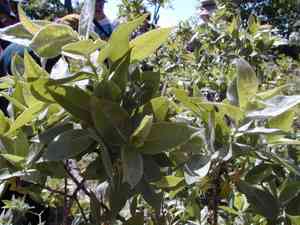
This adaptable deciduous shrub, well-suited to sandy substrates, necessitates precise trimming to preserve its vitality and aesthetic. For sand dune willow, the most effective pruning approach entails removing aged stems and shortening excessively long branches to stimulate fresh development. The best time for this horticultural practice is in late winter or early spring, prior to the appearance of new buds. Pruning during this period facilitates vigorous spring growth and minimizes strain on sand dune willow. Advantages encompass improved air movement, diminished susceptibility to ailments, and a regulated form.
What Are the Benefits of Pruning Sand Dune Willow?
What Are the Benefits of Pruning Sand Dune Willow?
Trimming sand dune willow is vital for maintaining strong, healthy development. It stimulates fresh growth, helps the plant retain an appealing form, and can revitalize older specimens to grow robustly and stay well-shaped.
What Is the Best Time for Pruning Sand Dune Willow?
What Is the Best Time for Pruning Sand Dune Willow?
Pruning sand dune willow in late winter or early spring is beneficial because the plant is dormant then. This timing helps prevent sap from oozing, which can happen if pruning occurs after spring growth starts. It also lowers the chance of disease transmission, as many pathogens are inactive in colder weather. Furthermore, the bare branches in late winter make the plant's structure more visible, allowing for more strategic cuts that promote better shaping as growth resumes. Pruning before the spring growth surge enables sand dune willow to heal from cuts and direct its energy into new growth most effectively. During this period, any dead or damaged wood can be removed without impacting the plant's flowering, as sand dune willow typically blooms on new wood.
What Tools Do I Need to Prune Sand Dune Willow?
Bypass pruners
For making clean cuts on smaller stems and branches of sand dune willow, bypass pruners are essential due to their sharp, scissor-like action.
Loppers
For thicker branches that bypass pruners cannot handle, loppers provide the needed leverage and reach to cut through the wood of sand dune willow without causing damage to the plant or the gardener.
Pruning saw
For the largest branches of sand dune willow that are too substantial for loppers, a pruning saw is necessary to cut through the wood cleanly and efficiently.
Hand shears
If shaping hedges or precise areas of sand dune willow, hand shears allow for detailed work and help maintain the desired aesthetic of the plant.
Gloves
To protect hands from thorns and rough bark of sand dune willow, durable gloves are recommended for safe pruning.
How to Prune Sand Dune Willow
Clean Tools
Before beginning, sterilize pruning tools to prevent the spread of disease when trimming sand dune willow.
Thinning
Remove any dead branches to improve sunlight penetration and air circulation. Cut the branches at the base without harming the main stem.
Removing Leaves
Carefully trim off diseased and withered leaves from sand dune willow to promote healthy growth. Dispose of them properly to avoid contaminating the surrounding area.
Shaping
Prune sand dune willow selectively to maintain its natural shape. Cut back overgrown branches using angled cuts to encourage new growth.
Clean Up
After pruning, clear away all debris from the base of sand dune willow to discourage pests and diseases and to maintain a tidy appearance.
Common Pruning Mistakes with Sand Dune Willow
Overpruning
Removing too much foliage from sand dune willow can weaken the plant, reduce its vigor, and potentially lead to fewer blooms or growth issues.
Improper Cut Locations
Cutting too far from or too close to the bud can either hinder healing or promote disease entry. The cut should be made at a slight angle just above the bud.
Using Dull Tools
Pruning sand dune willow with dull or dirty tools can result in jagged cuts that are more susceptible to disease and pest infestation.
Neglecting Diseased Limbs
Failing to remove diseased or dead branches from sand dune willow can allow the disease to spread throughout the plant.
Ignoring Natural Shape
Cutting sand dune willow into an unnatural shape not only affects its aesthetics but can also stress the plant and lead to poor growth patterns.
Common Pruning Tips for Sand Dune Willow
Clean Cuts
Use sharp, clean pruning shears to make precise cuts, which help sand dune willow recover more quickly and reduce the risk of disease.
Selective Pruning
Thin out dense areas by selectively removing some branches back to their point of origin to improve air circulation and light penetration within sand dune willow's canopy.
Monitor Growth Patterns
Observe and understand the growth patterns of sand dune willow to identify the best branches to prune for maintaining a balanced and healthy plant structure.
Encourage New Growth
Prune just above the leaf buds facing the outside of the plant to encourage new growth in a desirable direction.
Post-Pruning Care
After pruning sand dune willow, provide it with appropriate care, including watering and mulching, to support its recovery and robust growth.



