How to Transplant Ravennagrass?
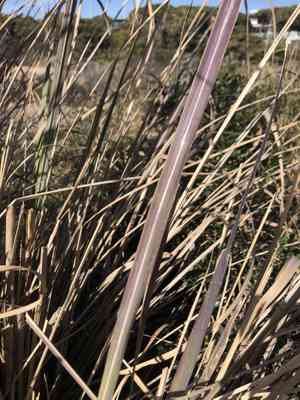
The optimal period for relocating ravennagrass is in the nascent phase of early to mid-spring, which fosters robust root development. Preferably, select a bright spot with soil that drains effectively for ravennagrass. Bear in mind, careful management of the root system is vital for flourishing growth.
Essential Preparations Before Relocating Ravennagrass
Optimal Timing for Ravennagrass Relocation?
For best results, choose early to mid-spring to move ravennagrass. This period supports vigorous growth, allowing ravennagrass ample time to establish before the intense summer heat. This strategic timing promotes robust development and survival of ravennagrass.
Recommended Spacing Between Ravennagrass Plants?
When transplanting ravennagrass, ideal spacing is 45-60 cm (approximately 18-24 inches) apart. This distance provides sufficient room for your plants to flourish!
Ideal Soil Mixture for Ravennagrass Relocation?
Ravennagrass thrives in well-draining soil enriched with organic material and a foundational fertilizer, such as a slow-release granular type. This soil composition greatly aids the plant's efficient growth.
Selecting a New Location for Your Ravennagrass?
Ensure your ravennagrass receives abundant sunlight! Select a site with full sun exposure, meaning at least 6 hours of direct sunlight daily, for optimal development.
Tools Required Before Transplanting Ravennagrass
Gardening Gloves
To shield your hands from sharp objects and coarse soil particles.
Shovel or Spade
For digging holes and extracting the plant from its original spot.
Hand Trowel
This implement is excellent for excavating small transplanting holes.
Watering Can or Garden Hose
To thoroughly hydrate the ravennagrass plant before and after its relocation.
Pruners
To trim back the ravennagrass plant if necessary.
Wheelbarrow
To conveniently move the large ravennagrass plant to its new position.
Method for Extracting Ravennagrass from the Soil
Method for Extracting Ravennagrass from the Soil?
From Ground: First, thoroughly water the ravennagrass plant to moisten the soil, preventing it from being dry and crumbly. This helps keep the root ball intact. Next, dig around the plant's root zone with a shovel, ensuring the root ball remains undamaged. Once loosened, work the spade beneath the root ball and lift it from its initial location.From Pot: Hydrate the plant before removing it from its container. Carefully invert the pot, supporting the plant's base. Gently squeeze or tap the pot to dislodge the plant. Be gentle to avoid root damage.From Seedling Tray: Water the seedling first to facilitate removal. Use a small spoon or fork to loosen the soil around the seedling. Then, lift it carefully by holding a leaf, not the stem. If roots are intertwined, gently separate them.
Step-by-Step Guide for Relocating Ravennagrass
Preparing the New Location
Clear the new site, removing any weeds or rocks.
Excavating the Hole
The hole should be twice the width and similar in depth to the ravennagrass's root ball. This provides ample room for root expansion and growth.
Positioning the Plant
Place your ravennagrass plant in the center of the hole, ensuring the top of the root ball is level with the ground. Avoid planting too deep, as this can lead to rot.
Backfilling the Hole
After positioning the plant, refill the hole with the original soil, gently firming it around the base of the ravennagrass.
Watering
Thoroughly water the plant to settle the soil around the root ball. This also helps eliminate any air pockets.
Post-Transplantation Care for Ravennagrass
Consistent Hydration
For the initial weeks, keep the soil around the ravennagrass moist to aid root establishment. However, be cautious not to over-water, which could cause root rot.
Pruning
Light trimming may be beneficial for ravennagrass once it has settled into its new spot, depending on its growth.
Pest and Disease Monitoring
Watch for indications of pests or diseases, such as yellowing foliage or insect damage. Early detection can lessen potential harm to your ravennagrass.
Addressing Common Issues with Ravennagrass Relocation.
When is the best time to move ravennagrass?
The optimal period to transplant ravennagrass is 'early to mid-spring'. Starting early in the growing season allows for good root establishment before winter.
What is the ideal spacing for ravennagrass during transplantation?
Space each ravennagrass plant 1.5 to 2 feet (45 to 60 cm) apart. This ensures each plant gets sufficient sunlight and room to grow.
Why is my ravennagrass wilting after being moved?
Wilting can be a symptom of transplant shock, caused by disturbance to the root system. Consistent watering and patience should help your plant recover.
Why isn't my ravennagrass growing as expected?
Ravennagrass may struggle if it's not spaced correctly or if the soil is too dense. Ensure it has adequate room and loose soil for growth.
How can I prevent pests or diseases after transplanting ravennagrass?
Maintain proper plant spacing, ensure good sun exposure, and avoid excessive watering. These measures can prevent conditions favorable to pests or diseases.
How much should I water ravennagrass after relocation?
Water the ravennagrass thoroughly immediately after planting. Then, follow a regular schedule, keeping the soil moderately moist but not waterlogged to encourage strong root development.
What kind of soil is best for ravennagrass?
Ravennagrass thrives in well-drained soil. You can incorporate compost or other organic matter to enhance its drainage and nutrient content.
Can ravennagrass be transplanted in the afternoon sun?
Transplanting in the late afternoon or evening can be advantageous, giving ravennagrass a full night to recover before facing the next day's sun.
How deep should I plant ravennagrass when moving it?
Plant ravennagrass at the same depth it was growing in its previous location. Planting too deep can lead to root suffocation, while too shallow can dry out the roots.
What support should I provide to ravennagrass after transplantation?
Staking might be necessary if ravennagrass is tall, to prevent it from toppling. Most importantly, keep the plant adequately hydrated and monitor for pests or diseases.



