How to Propagate Ravennagrass?
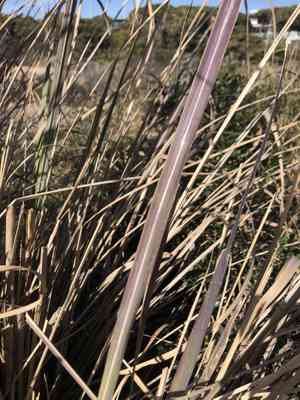
Ravennagrass is mainly reproduced through separation during its peak growing periods, spring and fall. This technique poses a moderate challenge. Indicators of success encompass fresh sprouts and robust root formation. Steady hydration levels contribute to successful propagation.
When Is the Best Time to Propagate Ravennagrass?
Propagation Method
Splitting
Propagation Period
Spring, Autumn
What Tools Are Used for Ravennagrass Propagation?
Sharp Spade or Horticultural Knife
A keen spade or horticultural blade is essential for separating the root clumps of ravennagrass. It enables the propagator to carefully divide the plant's root system without causing unnecessary harm. A clean, precise cut promotes faster recovery and lowers disease risk.
Garden Forks
Garden forks are utilized to loosen the soil around ravennagrass prior to division. They aid in lifting the plant with minimal root disturbance, which is crucial for maintaining the root system's health during propagation.
Watering Can with a Fine Rose
After dividing and replanting ravennagrass, it is vital to water the new plants gently yet thoroughly. A watering can equipped with a fine rose attachment ensures a soft water flow that won't dislodge the newly planted divisions.
Root Growth Hormone
Applying root growth hormone to the severed ends of divided roots can encourage quicker establishment and stronger root development for ravennagrass, which is particularly beneficial for a robust and vigorous plant like Ravennagrass.
Secateurs or Pruning Shears
Secateurs or pruning shears are necessary to remove any damaged or diseased foliage from the ravennagrass divisions before replanting. Clean, accurate cuts prevent infection and encourage healthier growth.
How to Propagate Ravennagrass?
Propagation Method
Division
Difficulty Level
Easy
How to Care for Your Newly Propagated Ravennagrass?
How to Care for Your Newly Propagated Ravennagrass?
Maintain consistent watering, especially during dry periods, to keep the soil uniformly moist. In the initial growing season, apply a balanced fertilizer to encourage robust growth. Monitor for pests and diseases, and shield ravennagrass during extreme weather conditions. As a tall and potentially vigorous grower, ravennagrass may require staking if planted in a windy area, and periodic divisions every few years to manage its spread.
Common Mistakes to Avoid When Propagating Ravennagrass
Insufficient division size
Dividing ravennagrass into overly small clumps can lead to failure because each section may lack sufficient roots or energy reserves to establish independently. This can result in poor growth or death of the propagule.
Excessive watering of cuttings
When rooting ravennagrass cuttings, too much water can cause them to rot before they develop roots. This is particularly detrimental to ravennagrass, as it is susceptible to root rot in overly moist conditions.
Neglecting hygiene
Failing to use clean tools or pots can introduce diseases to ravennagrass cuttings or divisions, which could hinder growth or even kill the young plants.
Overlooking environmental control
Not providing suitable environmental conditions such as adequate light, temperature, and humidity can result in poor rooting and establishment of ravennagrass.
Failure to remove flowering parts
Allowing ravennagrass to focus energy on flower production during propagation diverts resources away from root and shoot development, which is counterproductive for successful propagation.
Tips For Propagating Ravennagrass
Appropriate division size
Ensure that each division possesses a substantial amount of roots and several shoots to enhance the likelihood of successful establishment. This promotes healthy growth for ravennagrass.
Moisture management
Keep the soil or rooting medium moist but not waterlogged to prevent rot. This balance is crucial for the growth of ravennagrass cuttings and divisions.
Sanitation protocol
Using sterile tools and containers when propagating ravennagrass helps prevent the spread of diseases and promotes healthier growth.
Environmental control
Maintain optimal growth conditions with adequate light, warmth, and humidity to facilitate rooting and establishment for ravennagrass's divisions and cuttings. This helps create a conducive environment for propagation.
Remove flowers and seed heads
Trimming off flowering parts directs the ravennagrass's energy towards root and vegetative growth, which is vital during propagation to support the development of new plants.



