How to Prune Ravennagrass?
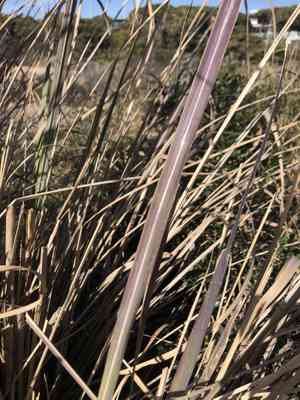
Ravennagrass, a statuesque decorative grass recognized for its lofty plumes and foliage akin to genuine bamboo, flourishes with proper trimming. The most effective pruning method entails reducing the entire plant to approximately 4-6 inches above the soil line. This procedure should be carried out in early spring prior to the emergence of new growth, or during winter while the plant is in its dormant state. Trimming stimulates new, robust shoots, prevents excessive expansion, and preserves the plant's aesthetic charm. Pruning additionally revitalizes ravennagrass, fostering energetic development and guaranteeing its longevity as a garden element.
Advantages of Trimming Ravennagrass
Advantages of Trimming Ravennagrass
Trimming ravennagrass encourages robust development by stimulating the emergence of new shoots. It also assists in preserving its intended form and dimensions, preventing it from becoming unruly and ensuring it complements the landscape design.
Optimal Time for Trimming Ravennagrass
Optimal Time for Trimming Ravennagrass
Trimming ravennagrass in early spring or late winter is ideal due to several factors aligning with its growth cycle and seasonal considerations. In late winter, the plant is typically dormant, which is a perfect time to prune as it minimizes stress and allows for vigorous growth when spring arrives. Early spring pruning is also beneficial as it helps remove any frost damage from the winter and prepares the plant for new growth. During these seasons, the sap is not actively flowing, which results in less bleeding from cuts. Pruning in late winter or early spring also avoids cutting off the current year's flowers, as ravennagrass tends to flower in summer or fall. By following these guidelines, gardeners can ensure the health of ravennagrass, fostering strong growth and abundant flowering in the upcoming season.
Required Tools for Trimming Ravennagrass
Hand Pruners
Perfect for snipping thinner stems and detailed work to shape ravennagrass or remove dead foliage.
Loppers
Useful for cutting through thicker stems and branches of ravennagrass, providing the extra leverage needed for tougher cuts.
Pruning Saw
For the thickest stems and oldest growth, a pruning saw allows for precise cuts without damaging ravennagrass.
Hedge Shears
Good for shaping larger areas of ravennagrass when a more manicured appearance is desired.
Heavy-Duty Shears
Especially for larger specimens of ravennagrass, these shears can handle tough, fibrous stems.
Gloves
Protection for the hands when working with ravennagrass, which can have coarse leaves.
How to Trim Ravennagrass
Remove Dead Foliage
Using clean, sharp shears, remove any dead foliage from ravennagrass at its base to avoid disease and pest infestation.
Cut Old Flower Stalks
Cut old flower stalks down to the ground level on ravennagrass to promote new growth and maintain a tidy appearance.
Trim Brown Leaves
Trim away any brown leaves from ravennagrass by cutting them at the base of the stalk, ensuring not to harm new buds or green growth.
Thinning
Thin out dense areas of ravennagrass by selectively removing entire stalks to improve air circulation and light penetration to the center of the plant.
Dispose Trimmed Material
Properly dispose of all removed material from ravennagrass to reduce the potential for pests and diseases to spread in the garden.
Common Trimming Errors with Ravennagrass
Excessive Trimming
Cutting back ravennagrass too severely can damage the plant, hinder its natural shape, and reduce its vigor. Ravennagrass can withstand some heavy pruning, but removing more than one-third of the plant at once can be detrimental.
Dull Tools
Using dull or unclean tools can result in jagged cuts that are more prone to disease and pest infestation. Clean and sharp pruning shears make cleaner cuts, helping ravennagrass heal faster and grow healthier.
Unplanned Cutting
Pruning ravennagrass without a plan can lead to an undesirable shape or uneven growth. It's essential to have a pruning strategy that targets old, dead, or diseased growth while maintaining the plant's natural form.
Ignoring Dead Material
Neglecting to remove dead or diseased stalks from ravennagrass can hinder new growth and potentially spread disease throughout the plant.
Trimming Solely for Size
Focusing solely on reducing the size of ravennagrass can result in a less natural appearance and potentially stifle blooming if the timing disrupts the development of flower buds.
General Trimming Advice for Ravennagrass
Gradual Trimming
Approach pruning ravennagrass in stages, particularly when dealing with overgrown plants. This allows the plant to recover between sessions and reduces stress.
Selective Thinning
Thin out old and crowded canes of ravennagrass to promote air circulation and light penetration, which are crucial for healthy growth and flowering.
Clean Cut Angle
Make cuts at a 45-degree angle just above a bud or branching point to encourage proper water runoff and reduce the risk of disease in ravennagrass.
Preserve New Growth
Identify and protect new shoots and buds during pruning to ensure ravennagrass's future blooms are not compromised.
Post-Trimming Care
After pruning ravennagrass, apply balanced fertilizer to support recovery and new growth. Also, ensure the plant is well-watered, especially during dry spells.



