Enhancing Your Garden Design with the Ravennagrass Plant: A Landscaping Guide
1
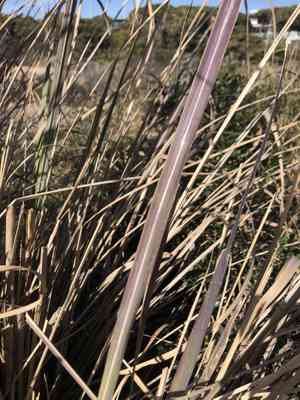
Ravennagrass is celebrated for its towering, impressive plumes that bring vertical appeal to any outdoor space.
2
This species tolerates dry conditions and requires minimal upkeep, making it a superb option for sustainable gardens.
3
Combining Ravennagrass with various other plants not only boosts its aesthetic but also supports the entire ecological system.
Introducing Ravennagrass to Your Landscape
Grasping the increasing appeal of Ravennagrass in contemporary landscaping.
Lately, Ravennagrass has garnered significant interest from landscape designers and garden enthusiasts. Its appealing look, coupled with its hardiness and minimal upkeep, makes it a stylish option for modern gardens. Ravennagrass is admired for its tall, graceful plumes that gently sway, offering both visual appeal and a peaceful ambiance. As eco-friendly gardening becomes more common, Ravennagrass's drought tolerance further solidifies its role in current landscape designs.
Concise overview of Ravennagrass's aesthetic and environmental contributions.
Ravennagrass stands out not only for its beauty but also for its ecological benefits. Its tall, elegant stalks create striking visual lines in the garden, while its dense foliage provides shelter and habitat for various wildlife. Environmentally, Ravennagrass can help stabilize soil and reduce erosion, making it valuable for maintaining healthy landscapes. Its ability to flourish in diverse conditions, from full sun to partial shade, allows it to be a versatile plant in different environmental settings.
Optimal Placement of Ravennagrass in Your Garden
Methods for maximizing Ravennagrass's visual charm.
To truly highlight Ravennagrass's beauty, consider its placement carefully. Grouping Ravennagrass can create a powerful focal point, especially when set against darker foliage or architectural elements like fences and walls. You can also use Ravennagrass to border pathways or edges, adding a soft, flowing element to your garden design. Its height makes it ideal for adding vertical interest and breaking up horizontal lines in your landscape.
Recommendations for prime planting spots for visual harmony with Ravennagrass.
When incorporating Ravennagrass into your garden, think about balance and cohesion. Planting Ravennagrass in clusters or prominent positions ensures it isn't overshadowed by other plants. For visual balance, place Ravennagrass in areas where it can contrast with shorter or ground-covering plants. Ideal locations include the rear of flower beds, along property boundaries, or beside garden structures where its height can be fully appreciated.
Pairing Ravennagrass with Other Plants
Choosing companion plants that enhance Ravennagrass's visual appeal.
Selecting suitable companion plants for Ravennagrass can elevate your garden's overall aesthetic. Consider pairing Ravennagrass with low-growing perennials or ornamental grasses that offer contrasting textures and colors. Plants like lavender, coneflowers, and salvias complement Ravennagrass beautifully, creating a harmonious blend of form and color. These combinations not only emphasize Ravennagrass's striking features but also contribute to a more dynamic and engaging garden design.
Understanding the advantages of diverse plant combinations.
A varied planting scheme that includes Ravennagrass offers both visual and ecological benefits. Diverse plant combinations can attract a range of pollinators, improve soil health, and create a more resilient garden ecosystem. By combining Ravennagrass with other native and drought-resistant plants, you contribute to a sustainable landscape that requires less water and maintenance. This biodiversity also supports a healthier garden environment, reducing the need for chemical interventions.
Care Guidelines for Enduring Beauty
Essential care practices to ensure Ravennagrass thrives.
Ravennagrass is relatively low-maintenance, but it still benefits from some basic care to remain in prime condition. Ensure it has well-draining soil and receives sufficient water during its initial establishment. Once settled, Ravennagrass is quite drought-tolerant. Regular trimming of dead or damaged stems will keep it neat and encourage new growth. Fertilizing is usually unnecessary, but a light application of compost in spring can provide a boost.
Seasonal care advice to guarantee year-round attractiveness.
To maintain Ravennagrass's beauty throughout the year, be mindful of its seasonal requirements. In late winter or early spring, cut back old growth to allow for fresh new shoots. This revitalization helps the plant retain its vigor and appearance. During the growing season, occasional watering and mulching can help retain moisture and suppress weeds. Monitoring for pests, though Ravennagrass is quite resistant, ensures it remains healthy and vibrant all year.



