How to Transplant Velvet groundsel?
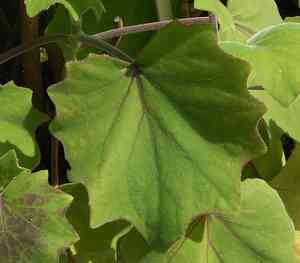
Velvet groundsel thrives during the mild, revitalizing period from the beginning to the end of spring, which is perfect for root development. Select a location that offers partial shade and features soil that drains effectively. When positioning, guarantee sufficient room for its expansion.
What Preparations are Needed Before Transplanting Velvet Groundsel?
What is the Ideal Time for Transplanting Velvet Groundsel?
The optimal period for relocating velvet groundsel spans from the start of spring until the air becomes warm with new life. Moving velvet groundsel during this timeframe allows it to establish itself prior to the peak of summer, benefiting from milder weather for root development and reduced shock from the move. Introducing velvet groundsel to your garden in these months promotes robust, healthy growth, as nature revitalizes and the soil warms, providing an accommodating setting for velvet groundsel's roots to flourish.
How Much Space Should You Leave Between Velvet Groundsel Plants?
When rehousing your velvet groundsel, you'll want to provide each plant ample room to thrive. Aim to space them approximately 24-36 inches (61-91 cm) apart. This enables their abundant foliage to spread and grow without competing for resources.
What is the Best Soil Mix for Velvet Groundsel Transplanting?
Your velvet groundsel will flourish in soil that drains well and is enriched with organic material. Incorporate compost or a balanced slow-release fertilizer to give your velvet groundsel a nourishing start. This aids in developing strong roots for vigorous growth.
Where Should You Relocate Your Velvet Groundsel?
Select a location for your velvet groundsel that receives partial to full sun exposure. Filtered morning light with afternoon shade, or a spot that gets sun for 6 hours daily, is perfect. This ensures your velvet groundsel receives the necessary light without being overwhelmed.
What Equipments Should You Prepare Before Transplantation Velvet Groundsel?
Gardening Gloves
To safeguard your hands while handling soil and plants.
Shovel or Spade
For excavating the plant and preparing the new planting site.
Garden Trowel
For more precise tasks and smaller digging needs.
Watering Can or Hose
To hydrate the plant before and after its relocation.
Pruning Shears
To trim any dead or excess growth prior to transplanting.
Wheelbarrow or Garden Cart
To move the plant and soil efficiently.
Measuring Tape
To determine the correct depth and width for the planting hole.
How Do You Remove Velvet Groundsel from the Soil?
How Do You Remove Velvet Groundsel from the Soil?
From Ground: First, moisten the velvet groundsel plant to dampen the earth. Next, dig a wide trench around the plant using a shovel or spade, ensuring the plant's root ball remains intact. Carefully work the spade beneath the root ball to lift the plant from its original spot.From Pot: Begin by thoroughly watering the velvet groundsel to make the soil cohesive. Tilt the pot sideways and gently tap the sides and bottom to loosen the root ball. Grasp the plant's base, ease it out, and guide the root ball from the container.From Seedling Tray: Water the seedlings gently to ensure the soil is moist. Use a garden trowel or a dibbler to slowly pry the velvet groundsel seedling out of the tray with minimal root disturbance.
Step-by-Step Guide for Transplanting Velvet Groundsel
Prep Work
Before extracting the velvet groundsel from its initial spot, prepare the new planting area. Ensure the hole is twice as wide and the same depth as the root ball.
Root Ball
Carefully place the velvet groundsel's root ball into the hole. Position the plant so it sits at the identical level it occupied in its previous location.
Soil Backfill
Gradually backfill soil around the root ball, gently firming it down to eliminate any air pockets.
Water Thoroughly
After planting, deeply water the velvet groundsel to help settle the soil and hydrate its roots.
Staking
If the velvet groundsel is tall or in a windy area, you might need to stake the plant to offer additional support while it establishes.
How Do You Care For Velvet Groundsel After Transplanting?
Regular Watering
Provide the velvet groundsel with consistent moisture to ensure its roots have sufficient hydration to establish themselves in the new site.
Mulching
Apply a layer of mulch around the base of the velvet groundsel to help retain soil moisture and regulate its temperature.
Monitoring
Watch for indications of stress such as wilting or discolored foliage, and adjust care as necessary.
Support
Maintain any stakes or supports until the velvet groundsel is fully established and can stand independently.
Pruning
Trim away any damaged or dead leaves or stems to encourage new growth and maintain the velvet groundsel's health.
Troubleshooting Common Issues with Velvet Groundsel Transplantation.
How deep should I dig to transplant velvet groundsel?
Prepare a hole as deep as the root ball and twice as wide to allow roots to spread.
What's the best time to transplant velvet groundsel?
Relocate velvet groundsel during early to mid-spring, once the risk of frost has diminished.
How much space is needed between velvet groundsel plants?
Allow 24-36 inches (61-91 cm) between velvet groundsel plants for adequate growth and air circulation.
Why are my transplanted velvet groundsel wilting?
Wilting can be due to transplant shock. Ensure sufficient water and avoid full sun for a few days.
When should I water velvet groundsel after transplanting?
Water velvet groundsel immediately after transplanting to settle soil and reduce transplant shock.
Can I use fertilizer when transplanting velvet groundsel?
Wait 4-6 weeks before applying a balanced fertilizer to avoid burning the roots.
What soil type is best for transplanting velvet groundsel?
Use well-draining soil rich in organic matter to provide a nurturing environment for velvet groundsel.
How to protect velvet groundsel after transplanting?
Provide shade and shelter from strong winds for a few weeks until velvet groundsel is established.
Why isn't my velvet groundsel growing after transplant?
Check for signs of root-bound conditions or disease and ensure the plant is not buried too deep.
Can I transplant velvet groundsel in the fall?
It's best to transplant velvet groundsel in the recommended period of early to late spring for optimum results.



