How to Propagate Velvet groundsel?
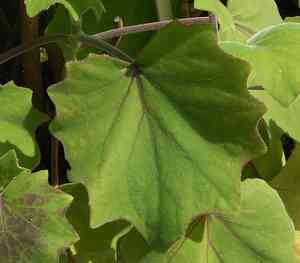
Velvet groundsel, being a resilient perennial, can be successfully multiplied via cuttings. Cultivators will likely achieve optimal outcomes by choosing vigorous, non-blooming stems for this technique. To stimulate root formation, cuttings ought to be severed with a keen, sanitized tool and situated in a substrate that drains efficiently. A consistent atmosphere with sufficient moisture and heat will aid the emergence of new roots, guaranteeing the prosperous establishment of velvet groundsel. Diligent attention during this preliminary phase will encourage a progressive adaptation to varied circumstances, acclimating the nascent plants to their ultimate garden environment.
Optimal Period for Velvet Groundsel Propagation
Propagation Method
Cuttings
Propagation Season
Spring,Summer
Tools Required for Velvet Groundsel Propagation
Sharp Pruning Shears
These are vital for obtaining clean sections from mature velvet groundsel, minimizing harm to both the parent and new plant. Sharp shears prevent crushing or tearing plant tissues, which promotes better rooting success.
Rooting Hormone Powder
Applying a rooting hormone powder stimulates root development on velvet groundsel cuttings. This aids in increasing the likelihood of successful propagation by encouraging quicker and more robust root formation.
Sterile Potting Mix
Utilizing a sterile potting mix is crucial for velvet groundsel cuttings to lower the risk of soil-borne diseases affecting new growth. This mix should be well-draining and light to support delicate new roots without excessive moisture retention.
Humidity Dome
Placing velvet groundsel cuttings under a humidity dome helps maintain the necessary moisture levels around them. This tool is essential for preventing cuttings from drying out before they establish roots, thereby improving survival rates.
Heating Mat
A heating mat can provide consistent and suitable soil temperature, encouraging faster root growth in velvet groundsel cuttings. Temperature regulation is critical, especially in cooler climates or during colder months.
How to Propagate Velvet Groundsel?
Propagation Type
Moderately Difficult
Caring for Your Newly Propagated Velvet Groundsel
Caring for Your Newly Propagated Velvet Groundsel
Post-propagation, gradually acclimate velvet groundsel to its permanent spot. Keep the soil consistently moist but not waterlogged, and provide indirect sunlight. As velvet groundsel matures, apply a balanced, slow-release fertilizer every few months to support its growth. Regularly check for pests and diseases, especially during warmer periods. Pruning should be minimal to maintain a compact and healthy form.
Common Errors to Avoid When Propagating Velvet Groundsel
Overwatering cuttings
Excessive watering of velvet groundsel cuttings can lead to rot, as they are particularly vulnerable before root establishment. This can result in fungal infections, which may kill the cuttings before they can grow.
Using non-sterile tools
Propagating velvet groundsel requires clean and sterile tools to prevent disease transmission. Failing to use sterilized equipment can introduce pathogens to the cuttings or parent plant, leading to infections and poor plant health.
Ignoring humidity needs
Velvet groundsel cuttings require balanced humidity for optimal rooting. Too much or too little humidity can hinder effective root development, potentially causing them to dry out or rot.
Choosing inappropriate cuttings
Selecting weak or diseased cuttings can jeopardize the propagation process from the start. Velvet groundsel cuttings should be healthy and vigorous to ensure successful rooting and growth.
Planting too deeply
Burying velvet groundsel cuttings too deeply in the growing medium can cause stems to rot before roots can form. It is crucial to plant cuttings at an appropriate depth.
Tips For Propagating Velvet Groundsel
Proper cutting selection
For successful velvet groundsel propagation, choose healthy, blemish-free cuttings with several leaves. This ensures the plant has sufficient energy reserves and photosynthetic capacity to develop roots.
Appropriate moisture level
Maintain consistent, moderate moisture for velvet groundsel cuttings, keeping the soil damp but not saturated. This balance is crucial for encouraging root growth without risking rot.
Providing indirect light
Velvet groundsel cuttings should be placed in a location with indirect light. Excessive direct sunlight can stress the cuttings and impede root formation.
Using rooting hormone
Applying a rooting hormone to the cut end of velvet groundsel cuttings can enhance root development and improve the chances of successful propagation.
Monitoring for root development
Regularly inspecting velvet groundsel cuttings for root growth allows for timely adjustment of care conditions. Once rooted, cuttings should be potted into individual containers with suitable potting mix.



