How Much Sunlight Do Velvet groundsel Need?
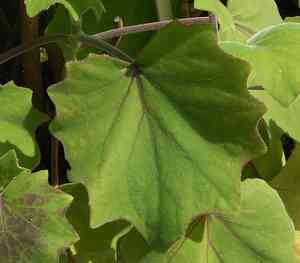
1
Velvet groundsel thrives in direct sunlight but can endure some shade.
2
Morning light is milder and more suitable for Velvet groundsel than strong afternoon sun.
3
Watch for indications of sun damage on Velvet groundselâdiscoloration or browning of foliage may signal excessive sun exposure.
Optimal Sunlight for Velvet groundsel
Full Sun vs. Partial Shade
Velvet groundsel flourishes best in full sun, absorbing six or more hours of direct sunlight daily. This exposure is vital for its development and vivid foliage. While it can endure partial shade (3-6 hours of sun), its performance might decline, leading to slower growth or fewer blooms.
Morning Sunlight vs. Afternoon Sunlight
Morning sunlight is typically milder and less harsh than intense afternoon sun. For Velvet groundsel, morning light supplies essential energy for photosynthesis without risking leaf scorch. If feasible, position your plant where it can receive morning rays while being shielded from strong afternoon heat.
Velvet groundsel's Daily Sunlight Requirements
Seasonal Sunlight Needs
The amount of sunlight Velvet groundsel requires can fluctuate with the seasons. During the active growth periods of spring and summer, the plant needs a full 6-8 hours of sunlight. In fall and winter, when days are shorter and the sun is weaker, 4-6 hours suffice.
Daily Sunlight Exposure
On a daily basis, aim to provide Velvet groundsel with at least 6 hours of sunlight. This consistent exposure supports its overall health, encourages robust growth, and ensures long-lasting blooms. Observe the plant and reposition it as needed to meet these demands.
Velvet groundsel's Tolerance to Low Light
Indicators of Insufficient Light
If Velvet groundsel lacks adequate light, it will show symptoms. Look for signs such as elongated stems, pale or yellowing leaves, and reduced flowering. These indicate the plant is stretching for light and not receiving enough energy to thrive.
Supplemental Light Sources
If natural light is inadequate, consider using grow lights. LED grow lights, for instance, can supplement sunlight by providing the necessary light spectrum for photosynthesis. Place these lights approximately 12-18 inches (30-45 cm) above the plant, offering 6-8 hours of extra light daily.
Protecting Velvet groundsel from Excessive Sunlight
Recognizing Sunburn
Sunburn on Velvet groundsel manifests as yellowing or browning leaves, particularly those directly exposed to the sun. These damaged areas may become brittle and eventually drop off. Prompt action is crucial if these signs appear.
Providing Shade
To shield your Velvet groundsel from too much sun, consider using shade cloths or moving the plant to a spot with filtered light during peak midday heat. Patio umbrellas, shade trees, or pergolas can also offer necessary relief from intense solar rays.
Monitoring and Adjusting Sunlight for Velvet groundsel
Utilizing a Light Meter
A light meter can be an invaluable tool for ensuring your Velvet groundsel receives the correct amount of sunlight. These devices measure light intensity in a specific area, helping you adjust the plant's placement accordingly. Aim for a reading indicating ample direct sunlight for at least part of the day.
Adjusting Based on Plant Response
Continuously observe your Velvet groundsel for any changes in growth patterns or signs of distress. Modify its sunlight exposure based on its reaction. If growth slows or leaves lose their vibrant color, try increasing light exposure. Conversely, if you notice sunburn, provide more shade.



