Enhancing Your Garden Design with the Velvet groundsel Plant: A Landscaping Guide
1
Strategic positioning of Velvet groundsel can greatly enhance your garden's visual appeal.
2
Velvet groundsel flourishes in soil that drains effectively and needs a moderate amount of sun.
3
Incorporating Velvet groundsel into your outdoor space can benefit the ecosystem and potentially boost real estate worth.
Understanding the Role of Velvet groundsel in Landscaping
Exploring the aesthetic appeal of Velvet groundsel
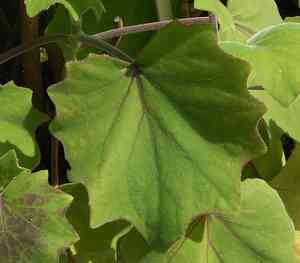
A primary reason gardeners and landscapers admire Velvet groundsel is its distinct visual charm. With its velvety leaves and vibrant blooms, Velvet groundsel offers a touch of sophistication and uniqueness. Its broad leaves create a canopy effect, lending a sense of richness to the garden. The textural and color qualities can complement various other plants and garden elements, making Velvet groundsel an excellent choice for creating focal points or adding depth to your outdoor space.
How Velvet groundsel fits into different landscape styles
The adaptability of Velvet groundsel means it integrates well into diverse landscape designs, from tropical and Mediterranean to modern and naturalistic gardens. Its robust appearance pairs beautifully with both structured layouts and free-form arrangements. Whether you aim for a formal garden setup or a casual, relaxed ambiance, incorporating Velvet groundsel can elevate the overall look. Its stylistic flexibility makes it a valuable plant for any garden enthusiast seeking to diversify their landscape design.
Choosing the Right Location for Velvet groundsel
Assessing light requirements for optimal growth
Velvet groundsel thrives best in spots where it receives partial to full sun exposure. While it can endure filtered light, ensuring it gets sufficient sunlight is vital for its lush foliage and flowering. It's advisable to position Velvet groundsel in garden areas that receive morning light but are shielded from intense afternoon sun, especially in warmer climates.
Considering soil and spacing needs
For Velvet groundsel to flourish, it requires well-draining soil. While it is quite adaptable to various soil types, ensuring proper drainage is crucial to prevent root rot. Additionally, consider the mature size of Velvet groundsel when planting; it needs ample room for its foliage to spread. Correct spacing will not only help maintain the health of Velvet groundsel but also reduce competition for nutrients and water with nearby plants.
Integrating Velvet groundsel with Other Plants
Companion plants that complement Velvet groundsel
Pairing Velvet groundsel with companion plants can enhance its visual impact and foster mutual growth benefits. Suitable companions include shade-loving ground covers and perennial flowers that thrive in similar conditions. Plants like hostas, ferns, and other foliage-rich species offer a striking contrast to Velvet groundsel's velvety leaves, creating a dynamic and visually appealing garden bed. These combinations can boost the garden's biodiversity and overall attractiveness.
Avoiding common planting mistakes
To prevent typical errors when planting Velvet groundsel, steer clear of areas with poor drainage or excessive sun exposure. It's essential to avoid overcrowding, as this can lead to resource competition and stunted development. Ensure that Velvet groundsel has sufficient space to expand naturally. Pruning and regular upkeep are also necessary to keep it healthy and prevent it from dominating smaller, more delicate plants in your garden.
Maintenance Tips for Velvet groundsel in Your Garden
Seasonal care routines to keep Velvet groundsel thriving
Seasonal care is vital for maintaining Velvet groundsel in prime condition. During the active growth period, consistent watering and occasional feeding with a balanced fertilizer can support optimal development. In autumn, consider applying mulch around the base to protect the roots from harsh winter temperatures. Pruning spent flowers and dead leaves throughout the year will help preserve its appearance and encourage new growth.
Handling common pests and problems
Velvet groundsel is relatively resistant to many pests, but it's not entirely immune. Common issues include aphids, spider mites, and occasional fungal diseases. Regular inspection and prompt action, such as using insecticidal soap or neem oil, can alleviate these problems. Ensuring good air circulation around the plant and avoiding over-watering can also prevent fungal issues and promote a healthier garden environment.
Long-Term Benefits of Including Velvet groundsel in Your Landscape
Environmental impact of growing Velvet groundsel
Incorporating Velvet groundsel into your landscape can yield several positive environmental outcomes. It contributes to local biodiversity, providing habitat and food sources for various insects and wildlife. Additionally, Velvet groundsel aids in stabilizing the soil and reducing erosion in garden areas prone to runoff. Its foliage can also improve air quality and establish a microenvironment that supports other plant species.
How Velvet groundsel can increase property value
A well-landscaped garden featuring Velvet groundsel can enhance your property's visual appeal, potentially boosting its market worth. Prospective buyers often appreciate well-maintained gardens with unique and attractive plants. Velvet groundsel's distinct look and its ability to fit into various landscaping styles can make your property more appealing and stand out in the real estate market.



