How to Prune Velvet groundsel?
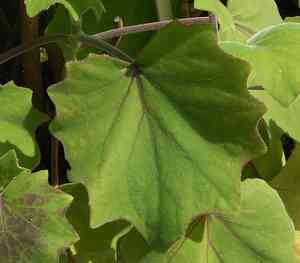
This substantial, somewhat woody perennial is recognized for its soft, fuzzy foliage and vibrant yellow blossoms. For velvet groundsel, trim to preserve its form and stimulate denser development. Shorten elongated stems and eliminate any lifeless or compromised matter to enhance air circulation and the plant's well-being. The ideal period for pruning is in late spring or early summer subsequent to flowering, providing ample time for fresh growth prior to its dormant phase. Consistent trimming also prevents velvet groundsel from growing excessively large and difficult to manage, thereby boosting its aesthetic appeal.
What Are the Benefits of Pruning Velvet Groundsel?
What Are the Benefits of Pruning Velvet Groundsel?
Trimming velvet groundsel promotes abundant flowering and decreases the likelihood of pest and disease infestations, fostering a robust life cycle and vigorous development.
What Is the Best Time for Pruning Velvet Groundsel?
What Is the Best Time for Pruning Velvet Groundsel?
The recommended periods for pruning velvet groundsel are late spring and early summer. These times are considered optimal because velvet groundsel's growth typically accelerates with the increased warmth and daylight during this phase. Pruning in late spring allows for the removal of any winter damage before new growth emerges strongly. By trimming in early summer, one can shape velvet groundsel while it is actively growing, ensuring quick recovery and minimizing plant stress. This timing also aligns with velvet groundsel's post-flowering period, which is crucial for maintaining its health and vigor, enabling it to direct energy into new growth rather than seed production. Furthermore, diseases and pests are less prone to attacking fresh wounds on the plant during these drier, warmer months, reducing infection risk. Therefore, adhering to the late spring and early summer pruning schedule will contribute to the plant's overall health, encourage lush foliage, and maintain its desired form.
What Tools Do I Need to Prune Velvet Groundsel?
Hand Pruners
For trimming and shaping velvet groundsel, hand pruners, or secateurs, are perfect for making clean cuts on smaller stems and branches up to about 1/2 inch in diameter, which encourages healthy regrowth.
Loppers
To reach higher or deeper into velvet groundsel without harming surrounding stems, loppers offer leverage for cutting branches up to 1 1/2 inches thick and are excellent for larger specimens or mature growth.
Pruning Saw
Used for cutting branches thicker than 1 1/2 inches, a pruning saw can handle the woody stems of a mature velvet groundsel without causing undue stress to the plant.
Garden Gloves
To shield hands from velvet groundsel's sap and ensure a secure grip on pruning tools, durable garden gloves are essential.
Pruning Shears
For precise shaping and to preserve the aesthetic appeal of velvet groundsel, long-handled pruning shears allow for accurate cuts in denser foliage.
How to Prune Velvet Groundsel
Identify
Thoroughly inspect velvet groundsel to pinpoint diseased leaves, withered leaves, dead or diseased branches, spent flowers, and branches with excessive growth.
Disinfect
Before making any cuts, clean and sanitize your pruning tools to prevent the spread of disease to healthy parts of velvet groundsel.
Remove Diseased And Dead
Carefully remove any diseased and dead leaves and branches from velvet groundsel, making cuts at a slight angle near the base of the affected part without cutting into the healthy tissue.
Prune Withered Flowers
Trim spent flowers from velvet groundsel to encourage new growth and blooming. Snip the stem just above a leaf node or set of leaves.
Control Growth
For branches with excessive growth, cut back to maintain the desired shape and size of velvet groundsel, cutting just above a leaf node or bud to promote healthy new growth.
Common Pruning Mistakes with Velvet Groundsel
Overpruning
Removing too much growth at once can shock velvet groundsel and hinder its natural form. This may lead to poor health or stunted development.
Improper Cut Location
Cutting too far from a node or into old wood of velvet groundsel can impede proper healing and encourage disease.
Removal Of Healthy Tissue
Indiscriminately pruning without assessing tissue health can result in the unnecessary loss of healthy foliage, reducing the plant's vitality.
Ignoring Diseased Sections
Failing to identify and remove diseased or pest-infested branches could spread problems throughout velvet groundsel.
Inadequate Tool Maintenance
Using dull or unclean tools can create jagged cuts that harm velvet groundsel and introduce pathogens.
Common Pruning Tips for Velvet Groundsel
Selective Pruning
Focus on thinning out crowded areas to improve air circulation and light penetration, which will enhance velvet groundsel's overall health.
Gradual Pruning
Spread pruning over several seasons if a significant reduction is needed, to minimize stress on velvet groundsel.
Node Pruning
Always prune just above a leaf node to encourage velvet groundsel to produce new growth in the desired direction.
Disease Management
Regularly inspect and promptly remove any diseased or dead material from velvet groundsel, sanitizing tools between cuts to prevent disease spread.
Rejuvenation Technique
For an aging velvet groundsel, use rejuvenation pruning by selectively removing older stems at the base to encourage fresh, vigorous growth.



