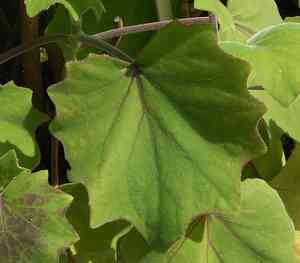
Velvet groundsel (Roldana petasitis)
Also known as: Butterbur Ragwort
Velvet groundsel, now known as Roldana petasitis, was formerly classified under the genus Senecio and sometimes referred to as Senecio cristobalensis. Native to Mexico, this evergreen shrub can reach heights of 2.5 to 3 meters, with large leaves spanning up to 2.5 meters in width.
In This Article
Attributes of Velvet groundsel
Lifespan
Perennial
Plant Type
Shrub
Plant Height
3 m
Spread
3 m
Leaf Color
Green
Flower Size
2.5 cm
Flower Color
Yellow
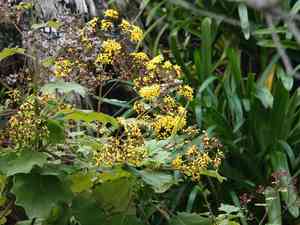
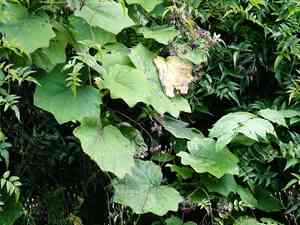
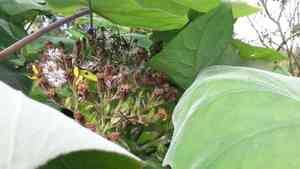
Images of Velvet groundsel
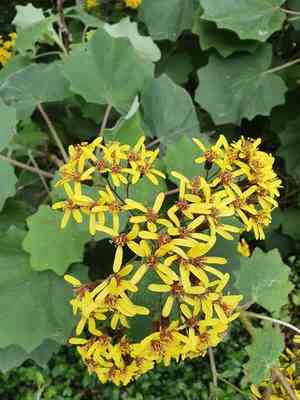
Quickly Identify Velvet groundsel
1
Large, roundish velvety leaves measuring 8 inches (20 cm) in width and length.
2
Branched inflorescence with deep burgundy buds blooming into vibrant yellow daisy-like flowers.
3
Robust evergreen shrub reaching heights and widths of 8 to 10 feet (2.4 to 3 meters).
4
Bright green hue of leaves distinguishes the plant's appearance.
5
Tolerant to varying soil types and irrigation, preferring full sunlight or partial shade.
Scientific Classification of Velvet groundsel
Phylum
Vascular plants
Class
Dicotyledons
Order
Asterales
Family
Daisy
Genus
Roldana
Species
Velvet groundsel
Planting and Growing of Velvet groundsel
Care Difficulty
Easy
Watering Schedule
Every 2 days
Sunlight Requirements
Partial sun
Sunshine Duration
10-12 hours
Ideal Temperature
60-75℉
Soil Type
Potting Mix, Peat Mix
Soil pH
6.5-7.5
Fertilizer Type
Balanced
Pruning Season
Spring, Summer
Pruning Area
Branches, Leaves
Pruning Frequency
2 times a year
Repotting Season
Spring
Pot Type
Plastic, Ceramic
 How to Water Velvet groundsel?
For Roldana petasitis, each watering should thoroughly moisten the soil but allow it to dry slightly between waterings. Aim for about 500 ml of water each session, ensuring it penetrates deeply without waterlogging the roots.
What are the symptoms of an underwatered Velvet groundsel?
›
What should I do if my Velvet groundsel is not getting enough water?
›
What are the symptoms of an overwatered Velvet groundsel?
›
How to save an overwatered Velvet groundsel?
›
 What Are the Sunlight Requirements for Velvet groundsel?
Roldana petasitis is best suited to partial to full sunlight, benefiting from balanced exposure. Ideal light ensures steady growth, vibrant leaves, and resilience to environmental stress.
More About Sunlight Requirements Techniques→
How much sunlight does Roldana petasitis need?
›
What are the solutions to provide ideal sunlight?
›
What are the benefits of providing ideal light conditions?
›
 What Is the Ideal Temperature Range for Velvet groundsel?
Roldana petasitis thrives best in environments where temperatures range between 60°F and 75°F. In this range, the plant exhibits optimal growth, vibrant foliage, and robust health. Maintaining consistent temperatures within this range helps in reducing stress and promoting an overall healthy development of the plant.
 What Soil is Best for Velvet groundsel?
Roldana petasitis thrives in soil that drains well, preventing root rot and allowing the roots to access necessary nutrients and oxygen. Good drainage ensures that the plant can produce vibrant foliage and robust growth. This plant benefits from soil that is rich in organic matter, which provides the essential nutrients it needs for healthy growth. Amending the soil with compost or well-rotted manure can greatly enhance its growth. Roldana petasitis requires moderate moisture levels in the soil. Though it is drought-tolerant, consistent moisture helps prevent wilting and supports lush foliage, which is characteristic of this plant.
 How to Fertilize Velvet groundsel?
Roldana petasitis thrives with moderate fertilization. For liquid fertilizers, use a balanced 10-10-10 NPK formula at half the recommended strength to avoid overfeeding. When using slow-release fertilizers, apply according to label instructions, sparingly, to provide steady nutrients over time.
 How to Prune Velvet groundsel?
Begin by inspecting the plant for any dead or yellowing leaves, which should be removed first. This allows the plant to focus energy on new growth and maintains its overall health. When pruning, make cuts just above the leaf nodes. This encourages the development of side shoots, promoting a fuller and bushier appearance that is aesthetically pleasing. Trim back any excessively long or leggy stems to maintain the plant's shape. This is especially important if you are growing Roldana petasitis in a confined space, as it can grow quite large.
More About Pruning Techniques→
 How to Propagate Velvet groundsel plant?
1
Allow the flower heads to mature and dry out on the plant. Collect the seeds by lightly shaking or stripping them from the flower heads. Store seeds in a cool, dry place until ready to sow.
2
Use sharp, sterilized pruning shears to take 4-6 inch cuttings from healthy, non-flowering stems. Remove the lower leaves to expose nodes that will root and ensure the cuttings are kept moist.
3
Carefully extract the plant from the ground, and use a sharp knife to divide the root ball into sections. Each section should have healthy roots and stems, ensuring good growth potential.
 How to Repot Velvet groundsel plant?
1
Repot Roldana petasitis when it shows signs of being root-bound, such as roots growing out of drainage holes or slowed growth. Typically, repotting is needed every 1-2 years to refresh soil nutrients and give roots more space.
2
Select a pot that is one size larger than the current one, with ample drainage holes. This ensures optimal root growth and prevents waterlogging, reducing the risk of root rot and encouraging healthy development.
3
Opt for a well-draining potting mix that provides adequate aeration and retains enough moisture without becoming soggy. This prevents water stagnation, reduces the risk of root diseases, and supports vibrant growth.
Toxicity
Ingestion, Skin contact
WARNING
The judgment on toxicity and danger is for reference only. We DO NOT GUARANTEE any accuracy of such judgment. Therefore, you SHALL NOT rely on such judgment. It is IMPORTANT TO SEEK PROFESSIONAL ADVICE in advance when necessary.
Learn More About Velvet groundsel Diseases
Anthracnose
Bacterial Leaf Spot
Bacterial Soft Rot
Bacterial Wilt
Chemical Injury
Damping-off
Downy Mildew
Drought Stress
Fusarium Wilt
Gray Mold
Leaf Spot
Mosaic
Nutrient Deficiency
Nutrient Toxicity
Powdery Mildew
Root Rot
Root-knot Nematode
Rusts
Sooty Mold
Spider Mites
Temperature Stress
Thrips Damage
White Mold



