How to Transplant White broom?
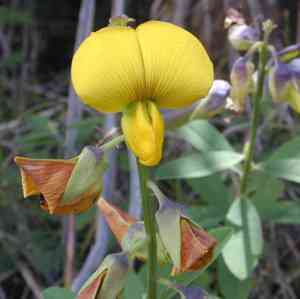
Relocate white broom during the abundant warmth of late spring to early summer for superior root development. Choose a location with ample sunlight and contemplate using soil that drains effectively. Careful manipulation fosters successful adaptation.
What Preparations are Needed Before Transplanting White Broom?
What is the Ideal Time for Transplanting White Broom?
The best time to move white broom is during the mild warmth of mid-season, typically between late spring and early summer. Relocating white broom at this time allows for maximum root development before the onset of hotter weather. This timing ensures white broom has sufficient opportunity to establish deep roots and gain strength, leading to a lush and robust presence in your garden.
How Much Space Should You Leave Between White Broom Plants?
Hello there! For your lovely white broom, let's give them room to flourish! Aim for a spacing of about 6.5-10 feet (2-3 meters) apart. This helps your white broom to grow without competing for nutrients and sunlight, and makes a happy, healthy garden!
What is the Best Soil Mix for White Broom Transplanting?
To create a cozy home for your white broom, choose a well-draining soil. Before planting, mix in some general-purpose fertilizer or compost to nourish your white broom. This pre-work will give them a fantastic start!
Where Should You Relocate Your White Broom?
Your radiant white broom love basking in the sunshine! Pick a spot in your garden that receives full sun for the best growth. That means at least 6 hours of direct sunlight a day. A sunny location will make your white broom thrive!
What Equipments Should You Prepare Before Transplantation White Broom?
Gardening Gloves
To shield your hands while handling soil and plants.
Shovel or Spade
For digging around and beneath the plant to facilitate its removal.
Pruning Shears
To trim off dead or excess plant parts prior to transplanting.
Wheelbarrow or Garden Cart
To move the white broom to its new spot.
Watering Can or Hose
For hydrating the plant before and after its relocation.
Tarp or Burlap
To keep the soil intact around the root ball during transit.
Garden Fork
To loosen the soil around the white broom's root area if extracting it from the ground.
Rooting Hormone (Optional)
May aid in stimulating root development in certain situations.
How Do You Remove White Broom from the Soil?
How Do You Remove White Broom from the Soil?
From Ground: Before removing white broom from the ground, water the plant well so the soil is moist, making it easier to dig. Dig a trench around the plant, being careful not to damage the root ball. Gently pry the plant from the ground using a shovel or spade.From Pot: If the white broom is in a pot, water the plant first. Turn the pot sideways, gently tap the sides and bottom to loosen the root ball, and carefully slide the plant out with the root ball intact.From Seedling Tray: Water the white broom seedlings and use a small tool or your fingers to gently lift the plant from the tray, being careful not to damage the roots or stem.
Step-by-Step Guide for Transplanting White Broom
Preparation
Gather all necessary tools and thoroughly water the white broom before beginning the transplanting process to minimize shock and stress to the plant during the move.
Root Ball
Carefully remove the white broom from its original location, ensuring the root ball remains as intact as possible, using the appropriate method depending on whether it's from the ground, a pot, or a seedling tray.
Hole Preparation
Dig a hole in the prepared new location that is twice as wide and just as deep as the root ball. Break up any soil clumps at the bottom of the hole to help roots grow more easily into the ground.
Placing the Plant
Gently place the white broom in the center of the new hole, ensuring that the top of the root ball is level with the surrounding ground. Backfill the hole with soil, patting down gently as you go.
Watering
Immediately after planting, water the white broom deeply to settle the soil and eliminate air pockets. Make sure the soil is moist, but not waterlogged, to allow for proper root growth.
Stabilization
If necessary, stake the white broom to prevent wind damage, using soft ties to avoid damaging the stem. Only stake if the plant shows signs of instability or is in a particularly windy area.
How Do You Care For White Broom After Transplanting?
Monitoring
Regularly check the white broom for signs of stress, like wilting or leaf discoloration, and adjust care accordingly.
Adjust Watering
Water the white broom as needed to maintain soil moisture, especially during dry periods, but avoid overwatering.
Mulching
Apply a layer of organic mulch around the base of white broom to help retain moisture, regulate soil temperature, and reduce weed competition.
Pruning
After the white broom has had some time to establish, prune any dead or damaged branches to redirect energy to healthy growth and ensure proper form.
Support
Check any stakes or supports regularly to ensure they're not damaging the white broom and remove them when the plant is stable enough to stand on its own.
Observation
Keep a close eye on the white broom over the first year to understand its specific needs and adjust your care routine as the seasons change.
Troubleshooting Common Issues with White Broom Transplantation.
What's the best time of year to transplant white broom?
The optimal period to move white broom is from late spring through early summer to facilitate root establishment during warm seasons.
How far apart should I plant white brooms?
Plant white broom with enough elbow room, roughly 6.5-10 feet (2-3 meters) apart, to accommodate their growth.
How deep should the hole be for transplanting white broom?
Dig a hole as deep as the root ball and twice as wide to encourage expansion.
What kind of soil is best for white broom after transplanting?
Well-draining soil rich in organic matter will give white broom the best start post-transplanting.
How much water does white broom need after transplanting?
Initially, water white broom generously to settle the roots, then scale back to prevent waterlogging.
Why is my transplanted white broom wilting?
Wilting post-transplant could be transplant shock. Keep the soil moist and avoid full sun until recovery.
Should I fertilize white broom after transplanting?
Wait a few weeks before introducing a slow-release fertilizer to avoid overwhelming the roots.
How do I protect my newly transplanted white broom from pests?
Regularly inspect for pests, and consider a gentle insecticide if you notice any infestations.
Can white broom be transplanted during hot weather?
Avoid transplanting white broom in high heat. Early morning or late afternoon is best during warm days.
My white broom looks droopy after transplanting, what should I do?
Ensure the soil is moist and the plant is shaded from the hottest sun. Droopiness can be a temporary reaction.



