The White broom Plant Advantage: Maximizing Home and Office Appeal and Wellness
1
This botanical specimen is recognized for its ability to withstand dry conditions, making it perfect for desert climates.
2
It serves as a superb ground cover, halting soil degradation and preserving its quality.
3
The flora offers shelter and sustenance to diverse animal species, fostering ecological variety.
What Makes White broom Drought-Resistant?
Adaptive Root System
A key characteristic of White broom is its complex root structure, allowing it to flourish in dry environments. Its roots delve deep into the earth, accessing water sources unavailable to many other plants. This enables White broom to survive and even thrive with minimal rainfall.
Minimal Water Requirement
Unlike numerous other plant varieties needing consistent watering for growth, White broom can withstand extended periods of dryness. Its capacity to retain water internally makes it an ideal plant for landscapes prone to arid conditions.
How Does White broom Prevent Soil Erosion?
Soil Stabilization
White broom plays a vital role in stabilizing soil. Its extensive root network binds soil particles together, preventing them from being washed away by rain or carried off by wind. This is particularly advantageous in areas susceptible to erosion.
Enhancing Soil Health
Beyond preventing erosion, White broom improves soil quality by adding organic matter as it sheds leaves and other plant parts. This organic material decomposes, enriching the soil and fostering the growth of nearby plants.
Why is White broom Important for Biodiversity?
Habitat for Wildlife
White broom offers a home for various insects, birds, and small mammals. The plant's dense foliage provides shelter and nesting spots, while its flowers and seeds serve as a food source, supporting the local ecosystem.
Promoting Plant Diversity
By enhancing soil conditions and reducing erosion, White broom encourages the growth of other plant species. This creates a more varied plant community, which in turn supports a broader range of wildlife, boosting overall biodiversity.
Can White broom Be Used in Landscaping and Agriculture?
Ornamental Usage
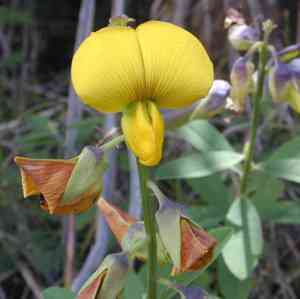
The visual appeal of White broom makes it a popular choice for decorative landscaping. Its striking white blooms and bushy form can enhance the beauty of gardens, parks, and other outdoor areas.
Agricultural Benefits
White broom can also be utilized in farming, especially in agroforestry systems. Its ability to improve soil health and prevent erosion can safeguard crops and boost agricultural output, making it valuable to farmers.
What are the Ecological Benefits of White broom?
Carbon Sequestration
White broom contributes to carbon sequestration, a process that captures and stores atmospheric carbon dioxide. By doing so, it helps lessen the impacts of climate change, making it an environmentally friendly plant for green initiatives.
Air Quality Improvement
White broom enhances air quality by absorbing pollutants and releasing oxygen. Planting White broom in urban settings can therefore contribute to a cleaner, healthier environment.



