How to Propagate White broom?
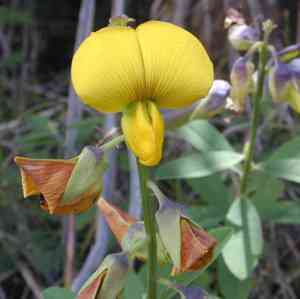
White broom thrives when propagated via the cutting technique, which entails detaching a portion of a stem, leaf, or root from an established plant and enabling it to develop roots. For optimal development, cuttings must be harvested from robust examples, ensuring the parent plant's health is preserved. Utilizing a keen, disinfected implement, cultivators can acquire a cutting and embed it in porous soil with sufficient hydration. Perseverance is crucial, as white broom might require a period to anchor its root structure and commence fresh development.
Optimal Period for White Broom Propagation
Propagation Type
Cutting
Propagation Season
Spring,Summer
Tools Required for White Broom Propagation
Sharp Pruning Shears
Crucial for obtaining clean, precise cuttings from white broom. Sharp blades minimize harm to the parent plant, reducing stress and potential infections at the cut site. Pruning shears are utilized to snip plant sections for propagation, typically choosing healthy, non-flowering stems for best outcomes.
Rooting Hormone Powder
Stimulates root development from white broom cuttings. Applying rooting hormone to the base of cuttings enhances root initiation and growth, significantly boosting the likelihood of successful propagation. This aid is especially useful given white broom's robust nature, helping to establish a strong root system more effectively.
Sterilizing Solution
Used to sanitize all tools prior to beginning propagation. Sterilization prevents disease transmission between plants, which is vital for the healthy growth and development of white broom. Regular cleaning of tools with a sterilizing solution ensures all propagation efforts are conducted in a safe, disease-free environment.
Propagation Trays
Contain white broom cuttings within a controlled setting. These trays are employed to organize cuttings and maintain suitable humidity and temperature, key elements influencing rooting success. Optionally, trays with covers can be used to further regulate these environmental conditions.
Perlite or Vermiculite
Improves aeration and drainage in the growing medium. Mixing perlite or vermiculite with soil creates an ideal environment for the delicate roots of new white broom cuttings to develop. These materials prevent soil compaction, thereby enhancing root growth and overall plant health during critical propagation stages.
How to Propagate White Broom?
Propagation Type
Moderately Difficult
Caring for Your Newly Propagated White Broom
How to Care for Your Newly Propagated White Broom?
Once white broom cuttings have successfully rooted, it's important to gradually acclimate the new plants by slowly exposing them to outdoor conditions over one to two weeks. Water the new plants regularly to maintain consistently moist, but not waterlogged, soil. Fertilization should be minimal until the plants are fully established. White broom tolerates drought; however, during extended dry periods, occasional watering may encourage better growth. Plant them in a sunny spot with well-draining soil for optimal health and blooming.
Common Mistakes to Avoid When Propagating White Broom
Overwatering seedlings
Excessive watering can lead to fungal diseases and root rot in white broom. The plant's natural habitat suggests a preference for well-drained, arid conditions, making too much moisture particularly problematic.
Using overly rich soil
While it might seem beneficial, employing highly fertile soil can cause white broom to prioritize leaf production over root and structural development. This can result in weaker plants less likely to survive transplanting.
Neglecting proper rooting environment
Attempting to root cuttings without appropriate humidity and temperature can lead to poor root development or failure to root. This is crucial as white broom cuttings require specific conditions to form a healthy root system.
Tips For Propagating White Broom
Use sandy, well-draining soil
Choose a well-draining, sandy substrate to mimic white broom's natural sandy habitats. This helps prevent root diseases and supports healthier growth.
Provide adequate light and warmth
Ensure cuttings or seedlings receive ample light but avoid direct, intense sunlight which might cause stress. Warmer conditions are generally favorable for rooting and early growth.
Practice moderate watering
Water white broom cuttings and seedlings just enough to keep the soil slightly moist but not wet, reflecting the drought-resistant nature of this species. Overwatering is a common error to avoid.



