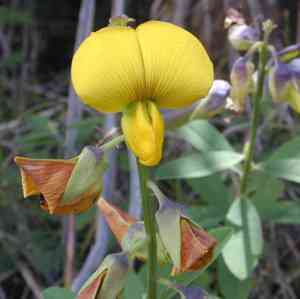
White broom (Retama raetam)
Also known as: Retem
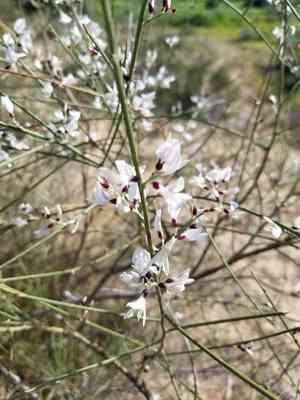
The **White Broom (Retama raetam)** is commonly found in desert regions and is characterized by its long, drooping branches adorned with small white flowers. In the Iron Age, it was a key source of charcoal for smelting. Though its fruit is toxic to humans, it provides a crucial food source for animals like goats and camels.
In This Article
Attributes of White broom
Lifespan
Perennial
Plant Type
Shrub
Plant Height
1.8 m to 2.5 m
Spread
1.8 m to 2.5 m
Leaf Color
Green Gray
Flower Size
2.5 cm
Flower Color
White
Images of White broom
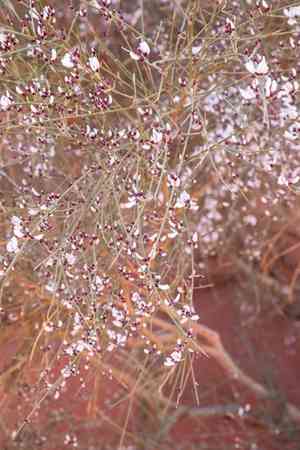
Quickly Identify White broom
1
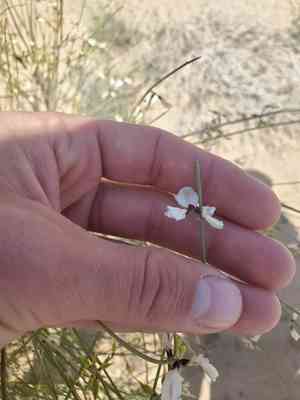
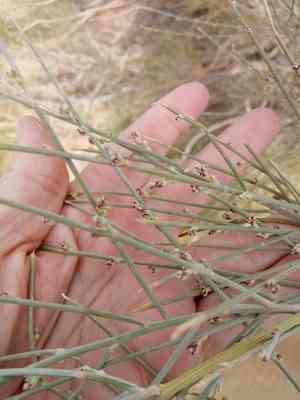
Look for a multi-branched shrub with small, almost scale-like leaves and white or pale yellow flowers. It often has a rounded, bushy appearance.
Scientific Classification of White broom
Phylum
Vascular plants
Class
Dicotyledons
Order
Fabales
Family
Legume
Genus
Retama
Species
White broom
Planting and Growing of White broom
Care Difficulty
Easy
Watering Schedule
Every 2 days
Sunlight Requirements
Full sun
Sunshine Duration
4-6 hours
Ideal Temperature
68-86℉
Soil Type
Potting Mix, Peat Mix
Soil pH
6.5-7.5
Fertilizer Type
Balanced
Pruning Season
Spring, Summer
Pruning Area
Branches, Leaves
Pruning Frequency
Once a year
Repotting Season
Spring
Pot Type
Plastic, Ceramic
 How to Water White broom?
Retama raetam thrives in arid environments, making it crucial to water it with restraint. Offer 500 ml of water each time, ensuring the soil is moistened but not waterlogged. Aim for deep watering that reaches the root zone to mimic occasional desert-like showers.
What are the symptoms of an underwatered White broom?
›
What should I do if my White broom is not getting enough water?
›
What are the symptoms of an overwatered White broom?
›
How to save an overwatered White broom?
›
 What Are the Sunlight Requirements for White broom?
Retama raetam flourishes in full sun conditions. This exposure enhances its flowering potential, ensuring vibrant blooms and healthy growth throughout its life cycle.
More About Sunlight Requirements Techniques→
What kind of sunlight is best?
›
How can I optimize its light exposure?
›
What benefits does optimal lighting provide?
›
 What Is the Ideal Temperature Range for White broom?
Retama raetam thrives best in temperatures between 68°F and 86°F. These conditions support optimal metabolic and photosynthesis rates, ensuring vigorous growth and flowering. Maintaining this temperature range helps in emulating its native warm environment, promoting health and resilience.
 What Soil is Best for White broom?
Retama raetam thrives in well-drained soils, preventing root rot by ensuring excess water swiftly percolates away. This requirement is crucial for its survival in regions prone to heavy rains, as stagnant water can lead to detrimental root diseases. This plant is accustomed to growing in nutrient-poor conditions, which mimics its natural desert habitats. Providing nutrient-rich soil could encourage excessive, weak growth that may not withstand harsh environmental conditions. For Retama raetam, having soil with excellent drought resistance allows it to endure long periods without water, reflecting the arid environments it is native to. This adaptation is beneficial in conserving water and ensuring plant health during dry spells.
 How to Fertilize White broom?
Retama raetam thrives in nutrient-poor soils, so it's important not to over-fertilize. When using liquid fertilizer, apply at a diluted concentration of about 25% of the recommended dose to prevent nutrient burn.
 How to Prune White broom?
Focus on cutting back the long and leggy stems to encourage a more bushy growth habit. This involves using sharp pruners to trim back stems to a node, which is a growth point on the stem where leaves or branches are attached. This kind of precise trim ensures that the energy of the plant is redirected to growing in a more compact shape rather than extending outwards unchecked. Carefully inspect the plant for any dead or diseased wood, which should be pruned out promptly. Removing deadwood is crucial as it prevents the spread of disease and reduces pest habitat within the plant. This can be done by cutting the dead branches back to healthy tissue or down to ground level if necessary to stimulate fresh, healthy growth.
More About Pruning Techniques→
 How to Propagate White broom plant?
1
Begin by preparing a well-draining potting mix. Ensure that the soil is light and airy to facilitate root growth and prevent waterlogging. If necessary, add sand or perlite to improve drainage.
2
Sow the Retama raetam seeds evenly on the soil surface. Cover them with a thin layer of soil and gently pat down to secure the seeds. Ensure proper soil contact for successful germination.
3
After sowing the seeds, water them gently but thoroughly. It's important to keep the soil consistently moist but not overly saturated to avoid seed rot. Use a spray bottle for even watering.
 How to Repot White broom plant?
1
Repotting Retama raetam is best signaled by slow growth or if the roots start escaping from drainage holes. Spring or autumn are ideal when the plant is not under stress from extreme weather. At these times, the plant is actively growing, which helps in recovering from the stress of repotting.
2
Select a pot that is one size larger than the current pot, with ample drainage holes. A slightly bigger pot allows roots to expand, supporting healthy growth, while good drainage prevents waterlogging, a common culprit in root rot for Retama raetam.
3
Opt for a sandy, well-draining soil mix. This mimic the plant's natural desert habitat, ensuring water flows freely and prevents root rot. Such soil also provides the necessary aeration, crucial for the plant’s root health, while ensuring adequate moisture retention.
Toxicity
Ingestion
WARNING
The judgment on toxicity and danger is for reference only. We DO NOT GUARANTEE any accuracy of such judgment. Therefore, you SHALL NOT rely on such judgment. It is IMPORTANT TO SEEK PROFESSIONAL ADVICE in advance when necessary.
Learn More About White broom Diseases
Anthracnose
Bacterial Leaf Spot
Bacterial Wilt
Crown Gall
Cyst Nematode
Damping-off
Downy Mildew
Drought Stress
Fusarium Wilt
Gray Mold
Leaf Spot
Mosaic
Nutrient Deficiency
Nutrient Toxicity
Powdery Mildew
Root Rot
Root-knot Nematode
Rusts
Sooty Mold
Spider Mites
Temperature Stress
Thrips Damage
White Mold



