How to Prune White broom?
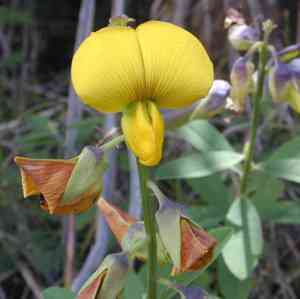
Celebrated for its durability in dry environments and elegant white blossoms, white broom is a robust shrub that thrives with consistent trimming. Remove any lifeless or frail branches to preserve its structure and stimulate robust development. The most effective time for pruning is in winter when the plant is inactive, to lessen strain. Pruning improves air movement, lowers the chance of illness, and encourages abundant flowering. Given its growth pattern, concentrate on thinning crowded sections and shaping while preserving the plant's inherent silhouette.
What Are the Benefits of Pruning White Broom?
What Are the Benefits of Pruning White Broom?
Trimming white broom promotes robust development and helps maintain its desired shape, preventing it from becoming overgrown. Strategic cuts enhance plant vigor and visual appeal.
What Is the Best Time for Pruning White Broom?
What Is the Best Time for Pruning White Broom?
Winter is considered the ideal period for trimming white broom, as it typically marks a dormant phase for many plant species. During dormancy, white broom's growth slows, making it less vulnerable to pruning-induced stress. Pruning in this season prepares white broom for vigorous spring growth by removing dead or unhealthy branches, thereby improving air circulation and sunlight exposure to the plant's interior. It also allows the gardener to shape the plant without foliage obstructing the branch structure. This timing aligns with white broom's natural growth cycle and is less likely to interfere with flowering, as many plants set their buds in late summer or fall. Pruning after bud set can reduce flower production. Thus, winter pruning supports white broom's health and aesthetic qualities while minimizing disruption to its developmental processes.
What Tools Do I Need to Prune White Broom?
Hand Pruners
For precise cuts on thin stems and minor branches of white broom, which typically do not have very thick branches.
Lopping Shears
To trim larger branches of white broom, especially useful for cutting back longer shoots up to approximately 1.5 inches thick.
Pruning Saw
For mature or woody stems of white broom that are too thick for hand pruners or loppers, ensuring clean cuts without harming the plant.
Gloves
To safeguard the gardener's hands from thorns or rough branches characteristic of white broom.
Safety Glasses
To protect the gardener's eyes from debris when trimming white broom.
How to Prune White Broom
Clean Tools
Before beginning the pruning process, thoroughly clean and sanitize all pruning tools. This prevents the spread of diseases to white broom.
Remove Withered Leaves
Carefully inspect white broom for dried-up leaves. Using hand pruners, gently remove these leaves from the plant, making clean cuts as close as possible to the main branch without damaging the bark.
Eliminate Dead Branches
Identify dead branches on white broom by checking for a lack of foliage and flexibility. Use sharp, appropriately sized pruning shears or a saw for larger branches, and cut them at the point where they meet healthy wood, ensuring no stubs are left.
Excise Diseased Branches
Look for any branches showing signs of disease, such as discoloration or abnormal growth. Remove these branches by cutting well below the affected areas into healthy tissue to prevent further infection of white broom. Dispose of diseased material properly, away from healthy plants.
Clean Up
Upon completion of pruning white broom, clean the work area and tools again to remove any plant debris. Dispose of all removed plant material either by burning or through municipal green waste collection, if available.
Common Pruning Mistakes with White Broom
Using Dull Pruning Tools
Blunt tools can cause jagged cuts that damage white broom's branches, making the plant vulnerable to diseases.
Over Pruning
Removing too much foliage at once can stress white broom, reducing its ability to photosynthesize and leading to weak growth.
Pruning Larger Branches Improperly
Incorrectly cutting large branches may result in uneven or split cuts, which do not heal properly and can invite pests or rot.
Ignoring Dead Or Diseased Branches
Failing to remove dead or unhealthy material can allow diseases to spread, which can compromise the overall health of white broom.
Not Considering Plant Architecture
Cutting without understanding the natural shape of white broom can result in a loss of its aesthetic form and diminish flowering potential.
Uneven Pruning
Pruning unevenly can lead to a lack of balance and symmetry in white broom's growth, affecting its appearance and health.
Common Pruning Tips for White Broom
Sharp And Clean Tools
Use sharp, clean pruning shears to make precise cuts that will heal quickly and minimize stress on white broom.
Pruning To Encourage Growth
Prune white broom to maintain an open center, allowing light to penetrate and air to circulate, which stimulates healthy growth and flowering.
Correct Pruning Techniques
Prune at a 45-degree angle, about a quarter inch above an outward-facing bud to encourage white broom to grow in a desirable direction.
Sequential Pruning
For white broom, it's beneficial to prune progressively over time rather than performing heavy pruning in a single session.
Health And Safety First
Assess and remove any dead, diseased, or damaged branches first, to maintain the health and vitality of white broom.
Balance Aesthetic And Health
Strive to maintain the natural shape of white broom while pruning, balancing the plant's health needs with its ornamental appearance.



