Enhancing Your Garden Design with the White broom Plant: A Landscaping Guide
1
White broom is an exceptionally adaptable plant, fitting well into diverse garden designs and environments.
2
Its distinct characteristics render White broom an attractive option for both contemporary and classic garden settings.
3
White broom needs little upkeep, making it perfect for gardeners of all skill levels.
Introducing White Broom in Landscape Design
Understanding White Broom's Distinctive Qualities
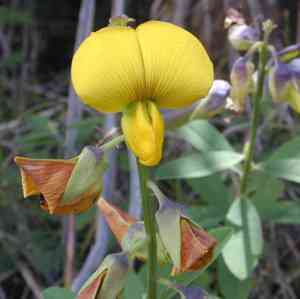
For landscape design, White Broom presents various attributes that make it an outstanding selection. This robust plant is recognized for its delicate white blossoms, which add a touch of sophistication to any garden. Its capacity to flourish in poor soil and endure dry spells makes it a dependable option for gardeners seeking low-maintenance yet visually impressive plants. Furthermore, White Broom can achieve considerable height, offering both aesthetic appeal and practical uses, such as forming natural boundaries in your garden.
Why White Broom is a Preferred Choice for Contemporary Landscapes
Modern landscape architecture emphasizes simplicity, sustainability, and utility. White Broom perfectly aligns with this concept due to its easy care and ecological advantages. Its sparse foliage and delicate flowers contribute to a clean, modern aesthetic, making it suitable for urban and suburban environments. Moreover, its drought-tolerant characteristics support sustainable gardening practices, aiding in water conservation and reducing upkeep.
Integrating White Broom into Garden Themes
Mediterranean Garden Style Featuring White Broom
White Broom is an excellent plant for those aiming to create a Mediterranean garden. This style often includes plants that are drought-resistant and can survive in arid, rocky soils. The white flowers of White Broom add a soft, romantic element to the typically rugged terrain of a Mediterranean garden. Combine White Broom with other drought-tolerant plants like lavender and rosemary to achieve a harmonious and visually pleasing design.
Desert Landscapes and White Broom's Contribution
Desert landscapes are defined by their use of resilient plants that thrive in arid conditions. White Broom fits this theme perfectly, offering vibrant blooms without requiring frequent irrigation. Its extensive root system helps stabilize the soil, making it both a practical and attractive choice for desert gardens. Pair White Broom with succulents and cacti to create a stunning desert landscape that demands minimal care.
Coastal Themes Enhanced by White Broom
Coastal gardens often face challenges from salty air and sandy soils, conditions many plants find difficult. However, White Broom is well-suited to these environments. Its resilience to harsh coastal conditions makes it a valuable addition to any seaside garden. The plant's elegant white flowers can complement the blues and greens of the oceanic landscape, creating a tranquil and picturesque setting.
Optimal Placement of White Broom for Visual Impact
Highlighting Key Features with White Broom
In landscape design, focal points attract attention and establish order within the garden. White Broom can be utilized to emphasize these focal points, whether it's an art piece, a water feature, or a seating area. Its bright blooms and tall stature make it an excellent choice for generating visual interest without overpowering the space.
Establishing Privacy and Natural Barriers
One practical application of White Broom in landscaping is its capacity to serve as a natural barrier or privacy screen. Planted in rows or clusters, White Broom can form a dense hedge that offers both seclusion and beauty. This is particularly useful in urban settings where space is limited but privacy is essential. Its thick foliage provides an effective screen while adding a touch of natural elegance to the surroundings.
Balancing Color and Texture in Your Garden
The soft white flowers of White Broom offer a beautiful contrast to the green foliage of many other plants. This color balance can add dimension and depth to your garden. Additionally, the texture of White Broom's foliage can complement both smooth-leaved plants and more textured varieties, creating a harmonious and well-balanced garden design.
Seasonal Considerations for White Broom
White Broom's Blooming Cycles Throughout the Year
Understanding White Broom's flowering cycle is essential for maintaining year-round beauty in your garden. White Broom typically blooms in the spring, providing a burst of white flowers that can brighten any landscape. As the seasons progress, the blooms will fade, but the plant retains its visual appeal with its evergreen foliage. By planning your garden around these blooming patterns, you can ensure continuous visual interest throughout the year.
Preparing White Broom for Various Weather Conditions
White Broom is known for its hardiness, but certain weather conditions can still present difficulties. In colder climates, it's crucial to apply mulch around the plant's base to protect its roots from freezing. In extremely hot conditions, occasional deep watering can help the plant cope with extended dry periods. Regularly monitoring your White Broom and adjusting care based on weather conditions will help keep it healthy and thriving year-round.
White Broom Maintenance Guidelines
Routine Tasks to Ensure White Broom Thrives
Maintaining White Broom is relatively simple, making it ideal for gardeners of all experience levels. Regular tasks include occasional watering, especially during prolonged dry spells, and applying a balanced fertilizer in the spring to encourage healthy growth. Inspecting the plant for pests and diseases is also vital, although White Broom is generally resistant to most common garden pests.
Pruning and Shaping White Broom for Growth Management
Trimming and shaping are crucial tasks to keep White Broom looking its best and controlling its size. Pruning should be performed in late winter or early spring before new growth begins. This promotes a more compact shape and stimulates more abundant blooming. Removing dead or damaged branches will not only enhance the plantâs appearance but also its overall health.
Environmental Aspects and Advantages
White Broom's Contribution to Local Ecosystems
White Broom plays a vital role in local ecosystems by providing shelter and food for various insects and birds. Its flowers attract pollinators, such as bees and butterflies, supporting local biodiversity. Additionally, its deep root system helps prevent soil erosion, making it beneficial for maintaining soil health and stability.
Benefits of Drought-Tolerant Plants Like White Broom
One significant advantage of incorporating White Broom into your landscape is its drought resistance. This reduces the need for frequent watering, conserving water resources and decreasing maintenance efforts. Drought-tolerant plants like White Broom are particularly valuable in areas prone to water scarcity, making your garden more sustainable and environmentally friendly.



