How to Transplant Gray-headed Coneflower?
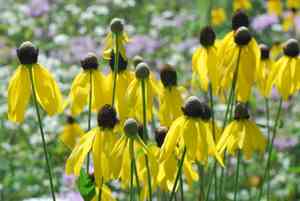
The optimal period for relocating gray-headed Coneflower spans from late spring through mid-summer, providing prime circumstances for thriving development. Select a bright spot with soil that drains effectively for gray-headed Coneflower. Remember to provide consistent watering post-transplant to encourage robust rooting.
What Preparations are Needed Before Transplanting Gray-headed Coneflower?
What is the Ideal Time for Transplanting Gray-headed Coneflower?
The optimal period for relocating gray-headed Coneflower spans from late spring through mid-summer. This timeframe offers prime growing conditions for gray-headed Coneflower. Abundant sunlight and warm temperatures promote successful post-transplant growth. This careful timing also allows gray-headed Coneflower to establish its root system prior to the colder season, enhancing its survival prospects. Remember, a well-timed transplant leads to a more robust, healthier gray-headed Coneflower.
How Much Space Should You Leave Between Gray-headed Coneflower Plants?
When moving your gray-headed Coneflower, ensure they are spaced approximately 12-18 inches (30-45 cm) apart. This provides ample room for growth and prevents overcrowding.
What is the Best Soil Mix for Gray-headed Coneflower Transplanting?
For gray-headed Coneflower, prepare the soil using well-draining, fertile loam that is slightly alkaline or neutral. Be sure to incorporate a foundational fertilizer such as compost or aged manure to nourish the plant and encourage development.
Where Should You Relocate Your Gray-headed Coneflower?
When transplanting your gray-headed Coneflower, choose a garden spot that receives full to partial sun. They will flourish with at least 6 hours of direct sunlight daily and can also tolerate light shade.
What Equipments Should You Prepare Before Transplantation Gray-headed Coneflower?
Garden Trowel
A crucial implement for digging holes and moving earth during transplantation. It helps ensure the plant's safe removal with minimal root damage.
Gardening Gloves
To shield your hands from soil and small thorns while handling gray-headed Coneflower.
Watering Can
For hydrating the plant both before and after its relocation.
Pruning Shears
These may be useful for trimming the plant and removing dead or damaged sections before transplanting.
Garden Fork
Helpful for gently lifting and separating the root ball from the ground, minimizing root injury.
Organic Compost
To enrich the soil in the new planting site and ensure the gray-headed Coneflower plant receives essential nutrients for vigorous growth.
How Do You Remove Gray-headed Coneflower from the Soil?
How Do You Remove Gray-headed Coneflower from the Soil?
From Ground: Start by watering the gray-headed Coneflower plant to moisten the soil, making extraction easier. Use a garden fork to dig a wide circle around the plant, ensuring the fork goes deep enough to avoid harming the root system. Slowly work your way around and beneath the root ball, gently lifting the plant from the earth.From Pot: Begin by thoroughly watering the pot to facilitate root slippage. Invert the pot while carefully supporting the gray-headed Coneflower at its base, then gently tap to loosen the plant. Slowly pull the pot upwards to remove the plant.From Seedling Tray: Gently grasp the seedling by its leaves (avoid pulling the stem). Use a spoon or similar tool to scoop out the seedling, ensuring you retrieve as much of the roots as possible. If roots are intertwined with other seedlings, carefully untangle them before removal.
Step-by-Step Guide for Transplanting Gray-headed Coneflower
Preparation
Ensure your transplanting area is ready by digging a hole deep and wide enough to accommodate the gray-headed Coneflower's root ball, enriching it with organic compost.
Plant Removal
Follow the removal procedure mentioned earlier, depending on the gray-headed Coneflower's original location.
Transplantation
Position the gray-headed Coneflower in the prepared hole, making sure the top of the root ball is level with the surrounding soil. Backfill the hole, gently firming the soil around the plant.
Watering
Thoroughly water the gray-headed Coneflower immediately after transplanting, saturating the area around the roots. Prevent water from pooling on the surface.
How Do You Care For Gray-headed Coneflower After Transplanting?
Watering
Water gray-headed Coneflower regularly, especially in the initial days post-transplant. However, be careful not to overwater, as this could lead to harmful waterlogged soil.
Pruning
Prune the gray-headed Coneflower periodically to encourage healthy growth and shape, removing any dead or damaged parts.
Monitoring
Keep a close watch on the gray-headed Coneflower to ensure it's adapting well. Signs of drooping, wilting, or yellowing leaves may indicate plant distress.
Organic compost
To aid recovery after transplant, add a small amount of organic compost around the base of the gray-headed Coneflower after one to two weeks.
Troubleshooting Common Issues with Gray-headed Coneflower Transplantation.
When is the best time to transplant gray-headed Coneflower?
The ideal period for moving gray-headed Coneflower is between late spring and mid-summer, when temperatures support proper root establishment.
How much space should I give for each gray-headed Coneflower plant when transplanting?
Space each gray-headed Coneflower approximately 12-18 inches (30-45 cm) apart. This ensures they have ample room to grow and thrive.
What to do if gray-headed Coneflower doesn't seem to establish well after transplantation?
Ensure you water gray-headed Coneflower sufficiently after transplantation. Sometimes, plants require time to adjust; continue observing and be patient.
Why are my transplanted gray-headed Coneflower plants wilting?
Wilting might be due to transplant shock. Keep the soil moist but not saturated, and shield the plant from direct sun for a few days.
How deep should I plant gray-headed Coneflower during transplantation?
Plant gray-headed Coneflower at the same depth it was in its previous environment. Planting too deep or too shallow can hinder establishment.
What to do if transplanting gray-headed Coneflower in a heavier clay soil?
Clay soils drain slowly; consider improving drainage or using raised beds. Incorporate organic matter to lighten the soil structure.
Do gray-headed Coneflower need a lot of sun after transplantation?
Yes, gray-headed Coneflower thrives in sun! However, newly transplanted specimens may benefit from partial shade during the hottest part of the day until established.
Should I fertilize gray-headed Coneflower right after transplantation?
While possible, it's not essential. Prioritizing healthy soil before transplantation is more important. Fertilizer can be applied later as needed.
Can gray-headed Coneflower be transplanted in a container?
Yes, gray-headed Coneflower can adapt to a container provided there's adequate drainage and it's large enough for the mature plant's size.
How to handle gray-headed Coneflower root ball during transplantation?
Handle it gently to prevent damage. If tightly bound, carefully loosen the outer roots before placing it in the new location.



