How to Prune Gray-headed Coneflower?
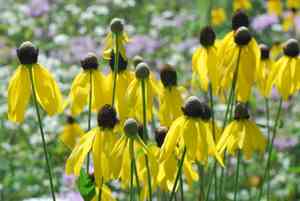
This enduring plant, characterized by its unique pendulous yellow florets and elevated, silvery central core, flourishes under direct sunlight. To ensure the best care for the gray-headed Coneflower, remove faded blossoms to encourage further flowering. Trim the plant in early spring or late autumn as it naturally recedes. Spring pruning can offer visual appeal during winter and a food source for avian species. Removing spent blooms can boost the plant's robustness and aesthetic, though it's not essential for its well-being. Pruning also contributes to preserving the plant's form and fostering an orderly growth pattern.
What Are the Benefits of Pruning Gray-headed Coneflower?
What Are the Benefits of Pruning Gray-headed Coneflower?
Trimming gray-headed Coneflower promotes abundant blooms, stimulates vigorous development, and maintains a tidy shape. It's crucial for lasting plant vitality and visual appeal.
What Is the Best Time for Pruning Gray-headed Coneflower?
What Is the Best Time for Pruning Gray-headed Coneflower?
In early spring, trimming gray-headed Coneflower prior to new growth helps invigorate the plant, fostering strong development and a fuller form for the upcoming season. This timing also allows for the removal of winter damage or old growth that could impede the plant's vigor. Late fall pruning, conversely, is advantageous as it aligns with the end of gray-headed Coneflower's flowering period. At this stage, directing energy to root growth and delaying new shoots susceptible to frost damage is vital. Furthermore, cutting back then aids in plant hygiene by eliminating spent flowers or dead foliage, which might harbor pests or diseases over winter.
What Tools Do I Need to Prune Gray-headed Coneflower?
Hand Pruners
Given the relatively slender stems of gray-headed Coneflower, sharp hand pruners or secateurs are perfect for making clean cuts without harming the stems.
Pruning Shears
Ideal for deadheading gray-headed Coneflower to encourage more blooms throughout the season. Pruning shears should be used carefully to snip off faded flowers.
Gardening Gloves
To shield hands from any rough edges or potentially irritating sap when handling gray-headed Coneflower.
Cleaning Cloth and Alcohol
To sanitize and disinfect the blades after trimming gray-headed Coneflower to prevent disease transmission.
How to Prune Gray-headed Coneflower
Step1: Disinfecting Pruning Tools
Before starting the trimming process, ensure your pruning shears or scissors are clean and sharp. Disinfect them with a 1-part bleach to 9-parts water solution to prevent disease spread.
Step2: Removing Dead or Damaged Leaves
Begin by removing any dead or damaged leaves from gray-headed Coneflower. Gently pull them off if they detach easily, or use your shears to make a clean cut at the base of the leaf stem where it connects to the main plant stem.
Step3: Deadheading Spent Flowers
Look for spent flowers, which are blooms that have faded and lost their vibrancy. To encourage more blooming and prevent gray-headed Coneflower from self-seeding, deadhead by snipping the flower stem below the spent bloom, just above a set of leaves or a new bud.
Step4: Cutting Back Unhealthy Stems
Identify any stems that are damaged, diseased, or appear unhealthy. Cut these stems back to the plant's base or just above a healthy set of leaves. Be sure to remove only the damaged parts to avoid stressing gray-headed Coneflower.
Step5: Shaping and Trimming Overgrowth
If gray-headed Coneflower needs shaping, do so by selectively cutting back leggy stems to a desired length, ensuring cuts are made just above a leaf node where new growth will emerge.
Step6: Disposing of Pruning Debris
After trimming, gather and discard all trimmings to help prevent the spread of pests or diseases.
Step7: Watering Post-Pruning
Water gray-headed Coneflower after pruning to aid recovery and stimulate new growth. However, do so according to the plant's watering needs, as gray-headed Coneflower is drought-tolerant and excessive moisture can be harmful.
Step8: Monitoring Plant Health
Monitor gray-headed Coneflower after pruning for any signs of stress or pest activity. Continue caring for the plant as usual, noting any additional trimming needs as it grows throughout the season.
Post-Pruning Care for Gray-headed Coneflower
Post-Pruning Care for Gray-headed Coneflower
Following the trimming of gray-headed Coneflower, thoroughly water the plant to reduce stress. Maintain moderate soil moisture, as overly wet or dry conditions can be detrimental. Provide partial to full sun exposure, ensuring gray-headed Coneflower receives adequate light without scorching. A balanced fertilizer can assist recovery; apply sparingly to prevent overfeeding. Observing gray-headed Coneflower's leaves and stems for wilting or discoloration is vital for early stress detection. If symptoms persist, check for infections and treat with appropriate fungicides or pest controls.
Common Pruning Mistakes with Gray-headed Coneflower
Over-pruning reduces bloom
Trimming gray-headed Coneflower too severely can lead to fewer flowers. Gray-headed Coneflower's natural beauty is best showcased when allowed to grow with some fullness.
Improper timing cuts budding
Cutting gray-headed Coneflower back at the wrong time might result in the removal of developing buds, which will decrease the season's blooms.
Dull tools risk disease
Using dull or dirty trimming tools on gray-headed Coneflower increases the risk of disease and pest issues due to jagged cuts and potential contamination.
Lack of deadheading limits flowers
Neglecting to deadhead gray-headed Coneflower throughout the blooming season can lead to reduced flowering and undesirable self-seeding.
Not cutting dead stems spreads disease
Failing to prune out any dead or diseased stems can compromise the overall health and appearance of gray-headed Coneflower, and potentially spread problems to other plants.
Common Pruning Tips for Gray-headed Coneflower
Sharp tools for healthy cuts
Use clean, sharp tools to make precise cuts on gray-headed Coneflower, reducing plant stress and promoting faster healing.
Deadhead for continuous blooms
Deadhead spent flowers of gray-headed Coneflower during the blooming season to encourage continuous flowering and prevent unwanted self-seeding.
Prune minimally to preserve shape
Remove only the necessary amount of growth when trimming gray-headed Coneflower to maintain its natural shape and avoid over-pruning, which can lead to fewer flowers.
Remove dead stems for plant health
Look for any dead, diseased, or damaged stems on gray-headed Coneflower that need to be trimmed away to maintain plant health and aesthetics.
Thin stems for better air flow
Thinning out some stems of gray-headed Coneflower can improve air circulation around and within the plant, helping to prevent fungal diseases.



