The Gray-headed Coneflower Plant Advantage: Maximizing Home and Office Appeal and Wellness
1
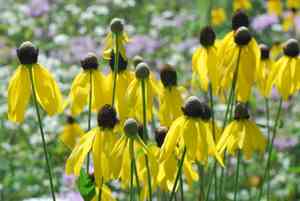
The Gray-headed Coneflower draws in numerous helpful pollinators.
2
This species exhibits strong drought tolerance, making it an eco-friendly option.
3
Gray-headed Coneflower contributes to healthy soil and helps prevent soil loss.
Why Gray-headed Coneflower Excels as a Garden Plant
Pollinator Magnet: Boosting Biodiversity
A key advantage of Gray-headed Coneflower is its capacity to draw in numerous pollinators. Bees, butterflies, and other insects are attracted to its bright, daisy-like blooms, enriching your garden's biodiversity. This not only ensures better pollination for other flora but also aids local wildlife populations. By planting Gray-headed Coneflower, you establish a mini sanctuary for these vital species, which in turn helps maintain ecological equilibrium.
Minimal Upkeep and Drought Resilience
Another significant benefit of Gray-headed Coneflower is its minimal care requirements. This plant flourishes in diverse soil types, including sandy and loamy, and needs little watering once established. Its deep root system enables it to access water sources far below the surface, making it highly resistant to drought. This trait is especially beneficial in areas prone to dry spells, ensuring a lush garden with minimal effort and water consumption.
How Gray-headed Coneflower Enhances Soil Health
Preventing Soil Loss
Soil erosion can be a major concern for gardeners, particularly in areas with loose or sandy soils. Gray-headed Coneflower helps prevent soil erosion due to its extensive root network. These roots firmly anchor the soil, reducing the risk of erosion caused by wind and water. This makes Gray-headed Coneflower an excellent option for slopes and embankments where soil stability is crucial.
Improving Soil Nutrient Levels
Beyond preventing erosion, Gray-headed Coneflower also boosts soil nutrient content. The plant's decaying leaves and stems contribute organic matter to the soil, enriching it with essential nutrients. This natural process enhances soil fertility over time, fostering a healthier growing environment for other plants. Furthermore, Gray-headed Coneflower is known to support beneficial soil microorganisms, which play a vital role in nutrient cycling and soil vitality.
Which Wildlife Benefits from Gray-headed Coneflower?
Providing Food Sources
Gray-headed Coneflower serves as a vital food source for various wildlife species. Its seeds are a favorite among birds, offering much-needed sustenance, especially during the autumn and winter months. Additionally, the plantâs flowers attract nectar-feeding insects like bees and butterflies, which are crucial for pollination and ecological balance. By cultivating Gray-headed Coneflower in your garden, you're providing nourishment to these creatures, supporting the broader ecosystem.
Creating Habitats
Beyond offering food, Gray-headed Coneflower also provides refuge and nesting spots for small animals and insects. Its dense foliage offers concealment from predators, while the plantâs structure provides ideal locations for nesting. This makes Gray-headed Coneflower a valuable addition to wildlife-friendly gardens, promoting biodiversity and supporting various species in your local area.
Integrating Gray-headed Coneflower into Your Garden
Optimal Growing Conditions
To incorporate Gray-headed Coneflower into your garden, itâs essential to understand its ideal growing environment. This plant prefers full sun but can tolerate partial shade. It thrives in well-drained soils and is highly adaptable to different soil types. Planting Gray-headed Coneflower in your gardenâs sunnier areas will help it flourish and bring vibrant color to your landscape.
Companion Planting Strategies
Gray-headed Coneflower pairs well with various other plants, making it a versatile choice for companion planting. Consider planting it alongside other native perennials to create a harmonious and resilient garden ecosystem. Its tall, upright growth habit makes it an excellent backdrop for shorter plants, adding depth and visual interest to your garden. Mixing Gray-headed Coneflower with other pollinator-friendly plants can further enhance your gardenâs biodiversity.



