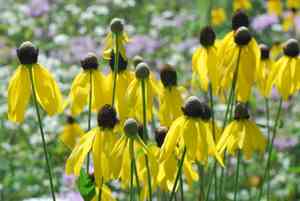
Gray-headed Coneflower (Ratibida pinnata)
Also known as: Yellow coneflower, Prairie coneflower, Gray-headed mexican hat
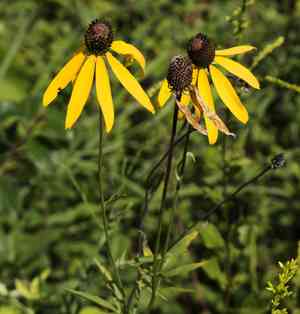
The yellow coneflower, also referred to as Ratibida pinnata or gray-headed coneflower, features distinctive drooping yellow petals and a central cone. These flowers are not only visually striking but also hardy and drought-tolerant, making them easy to cultivate. Belonging to the daisy family, their vibrant and cheerful appearance makes them excellent choices for cut flower arrangements. Their durability and aesthetic appeal ensure they maintain their beauty in floral displays.
In This Article
Attributes of Gray-headed Coneflower
Lifespan
Perennial
Plant Type
Herb
Plant Height
1 m
Spread
45 cm to 60 cm
Leaf Color
Green
Flower Size
2.5 cm to 5 cm
Flower Color
Yellow
Images of Gray-headed Coneflower
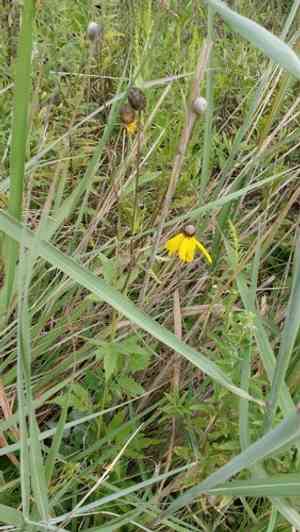
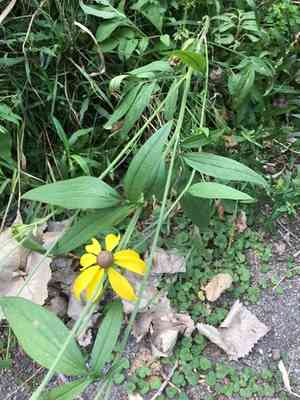
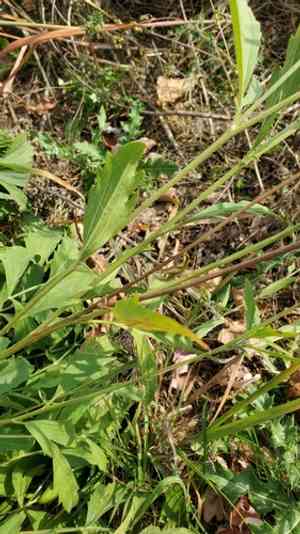
Quickly Identify Gray-headed Coneflower
1
Towering stature up to 5 feet (150 cm) distinguishes gray-headed Coneflower from other plants.
2
Large, yellow, daisy-like flowers with pinnate leaves aid in gray-headed Coneflower identification.
3
Extremely reflexed yellow petals, oblong grayish center in gray-headed Coneflower flowers.
4
Achene fruit, 0.08-0.16 inches (2-4 mm) with narrow scales for wind dispersal.
5
Pinnately divided leaves, glandular texture, 3-7 segments in gray-headed Coneflower are key identifiers.
Scientific Classification of Gray-headed Coneflower
Phylum
Vascular plants
Class
Dicotyledons
Order
Asterales
Family
Daisy
Genus
Prairie coneflowers
Species
Gray-headed Coneflower
Planting and Growing of Gray-headed Coneflower
Care Difficulty
Easy
Watering Schedule
Every 2 days
Sunlight Requirements
Full sun
Sunshine Duration
6-10 hours
Ideal Temperature
70-85℉
Soil Type
Potting Mix, Peat Mix
Soil pH
6.5-7.5
Fertilizer Type
Balanced
Pruning Season
Spring, Summer
Pruning Area
Branches, Leaves
Pruning Frequency
2 times a year
Repotting Season
Spring
Pot Type
Plastic, Ceramic
 How to Water Gray-headed Coneflower?
For the Ratibida pinnata, a steady supply of water is essential, particularly during its growing season. Aim to provide around 500 milliliters per watering session. The soil should be kept consistently moist but not soggy, which means watering thoroughly until the soil is evenly saturated while ensuring excess water has a way to drain easily.
What are the symptoms of an underwatered Gray-headed Coneflower?
›
What should I do if my Gray-headed Coneflower is not getting enough water?
›
What are the symptoms of an overwatered Gray-headed Coneflower?
›
How to save an overwatered Gray-headed Coneflower?
›
 What Are the Sunlight Requirements for Gray-headed Coneflower?
Ratibida pinnata ideally requires full to partial sunlight. Proper light exposure results in vigorous, bushy growth and abundant flowering, enhancing both its aesthetic appeal and ecological value as a pollinator plant.
More About Sunlight Requirements Techniques→
Recommended Sun Exposure
›
Adapting to Partial Sun
›
Solutions for Optimized Lighting
›
 What Is the Ideal Temperature Range for Gray-headed Coneflower?
Ratibida pinnata, known as the grey-headed coneflower, thrives best in temperatures ranging from 70°F to 85°F. These temperatures mimic the warm season conditions of its native environments, facilitating optimal photosynthesis and growth. Ensuring this range maintains plant vigor and maximizes flowering potential.
 What Soil is Best for Gray-headed Coneflower?
Ratibida pinnata thrives best in well-drained soil, as it prevents root rot and ensures proper aeration for healthy root development. This is crucial for maintaining the plant’s vibrancy and promoting its flowering potential. This plant doesn't require excessively rich soil. Moderate fertility supplies adequate nutrients to support growth without promoting weak, leggy stems. Balanced nutrition enhances the plant's resilience and flowering capacity. Soil that retains consistent moisture without being waterlogged is ideal for Ratibida pinnata. It helps in delivering a stable environment for the roots, supporting sustained growth and prolonged blooming periods.
 How to Fertilize Gray-headed Coneflower?
For Ratibida pinnata, applying a balanced liquid fertilizer at half the recommended strength works best. Too much fertilizer leads to lush foliage but few flowers. Start with 1/4 cup per plant during the growing season.
 How to Prune Gray-headed Coneflower?
When pruning Ratibida pinnata, always select the right tools: clean, sharp pruning shears to avoid crushing stems, ensuring clean cuts and quick healing. Between cuts, especially when plants are diseased, sterilize your tools with rubbing alcohol or bleach to prevent the spread of plant pathogens which can harm your garden.
More About Pruning Techniques→
 How to Propagate Gray-headed Coneflower plant?
1
Fill the seed tray with a well-draining potting mix suitable for wildflowers. Ensure the mix is moist but not waterlogged, as this will create optimal conditions for seed germination.
2
Scatter Ratibida pinnata seeds evenly on the surface of the prepared seed tray. Lightly press them into the soil and cover with a thin layer of potting mix, allowing sunlight to penetrate.
3
Using a sharp knife or spade, divide mature clumps of the plant in early spring or early summer. Ensure each division has a healthy root system and enough foliage to support growth.
 How to Repot Gray-headed Coneflower plant?
1
Look for roots protruding from drainage holes, wilting between watering, or stunted growth as signs that Ratibida pinnata needs repotting. These indicators suggest the plant is root-bound or lacking nutrients, making it an ideal time for a new home.
2
Select a pot one size larger than the current one with ample drainage holes. This ensures proper water flow and reduces the risk of root rot. Using a slightly larger pot also provides room for root expansion, encouraging healthy growth.
3
Opt for well-draining, sandy loam to mimic natural conditions. This type of soil prevents waterlogging and supports robust root development by ensuring roots have access to oxygen while retaining necessary moisture.
Learn More About Gray-headed Coneflower Diseases
Anthracnose
Bacterial Leaf Spot
Bacterial Wilt
Crown Gall
Cyst Nematode
Damping-off
Downy Mildew
Drought Stress
Fusarium Wilt
Gray Mold
Leaf Spot
Mosaic
Nutrient Deficiency
Nutrient Toxicity
Powdery Mildew
Root Rot
Root-knot Nematode
Rusts
Sooty Mold
Spider Mites
Temperature Stress
Thrips Damage
White Mold



