How Much Sunlight Do Gray-headed Coneflower Need?
1
Gray-headed Coneflower flourishes optimally with over six hours of direct sun exposure each day.
2
While the Gray-headed Coneflower can endure some partial shade, its flowering will be less abundant.
3
Observing your plant for indications of excessive or insufficient light aids in maintaining its peak condition.
What Is the Best Light Exposure for Gray-headed Coneflower?
Full Sun Requirement
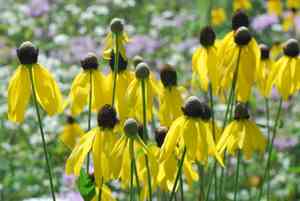
For optimal growth of your Gray-headed Coneflower, ample sun exposure is crucial. This vibrant yellow bloom thrives on sunlight and performs best with at least 6 hours of direct sun daily. Full sun means the plant receives unfiltered light for most of the day, essential for photosynthesis and flowering.
Partial Shade Concerns
While Gray-headed Coneflower can endure some partial shade, it's not ideal. If the plant receives less than 6 hours of sunlight, you might notice fewer and less vibrant blooms. Partial shade can also result in a lankier growth habit, making the plant appear less vigorous.
How to Choose the Best Spot for Your Gray-headed Coneflower
Assessing Your Garden for Sunlight
The initial step in planting your Gray-headed Coneflower is locating a suitable garden area. Observe various garden spots at different times daily to track sun patterns. Ideally, select a location that gets unfiltered, direct sunlight for a minimum of 6 hours.
Adjusting Planting Locations Throughout the Day
Sometimes, finding the perfect sunlit spot can be challenging. If your location experiences shifting sunlight, adjust your planting to maximize light exposure. For instance, you might plant where it gets morning sun and some afternoon shade if the afternoon sun is too intense.
Signs Your Gray-headed Coneflower Is Receiving Too Much or Too Little Sun
Symptoms of Sunburn
Even sun-loving plants like the Gray-headed Coneflower can occasionally suffer from excessive sun. Sunburn indicators include scorched or brown leaf edges, bleached spots on foliage, and general wilting despite sufficient watering. If these signs appear, consider providing temporary shade during the day's hottest period.
Indicators of Insufficient Sunlight
Conversely, inadequate sunlight will also impact your Gray-headed Coneflower. The plant may become elongated, stretch towards light sources, and produce fewer flowers. Leaves and stems might appear less vivid and robust compared to those grown in full sun. If you observe these symptoms, try moving your plant to a brighter location.
Tips for Managing Sunlight for Optimal Growth
Using Mulch and Ground Cover
Applying mulch around your Gray-headed Coneflower can help regulate soil temperature and retain moisture, especially in sunnier areas. Organic mulches, such as straw or wood chips, are effective and also help suppress weeds that compete for nutrients.
Implementing Shade Solutions
If your garden spot receives too much intense midday sun, consider employing some shade solutions. Simple options include using a shade cloth during peak sunlight hours or planting companion plants that can offer some natural shade without completely blocking the sun.
Seasonal Sunlight Changes and Their Impact on Gray-headed Coneflower
Adapting to Longer Summer Days
During summer, days are longer, and your Gray-headed Coneflower will likely flourish with the extended daylight. Ensure the plant is adequately watered as increased sunlight can lead to faster evaporation. Mulching becomes even more crucial during this season to help retain moisture.
Surviving Short Winter Days
In winter, shorter days and reduced light levels can affect your Gray-headed Coneflower. These plants are typically dormant during this period, so diminished sunlight isn't a major concern. However, ensure they are still positioned to receive as much natural light as possible throughout the day.



