How to Transplant Texas red oak?
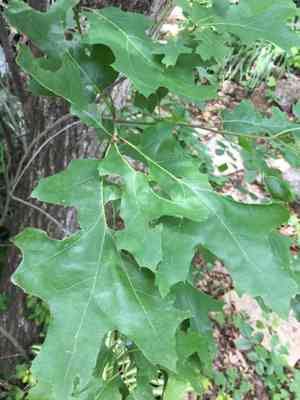
It is advisable to transplant Texas red oak at the commencement of spring's mild temperatures, allowing sufficient time for it to settle. Select a brightly lit spot featuring soil that drains effectively. Guarantee a substantial area for the root system to support robust development.
What Preparations are Needed Before Transplanting Texas Red Oak?
What is the Ideal Time for Transplanting Texas Red Oak?
The optimal period for relocating texas red oak is when branches begin to bud and the ground softens, typically in early to mid-spring. During this phase, texas red oak's root system recovers efficiently from the move due to moderate temperatures and increased humidity, promoting a strong start. This timing ensures texas red oak establishes itself firmly before summer's heat, boosting survival rates and future growth vigor. Helpful hint: Careful planning of tasks like site selection and root pruning is crucial for a smooth transition!
How Much Space Should You Leave Between Texas Red Oak Plants?
When rehousing your texas red oak, you'll want to provide ample room for expansion! Aim for a comfortable distance of 15-20 feet (4.5-6 meters) from other trees and structures. This guarantees your texas red oak has sufficient space to thrive as it matures into a robust specimen!
What is the Best Soil Mix for Texas Red Oak Transplanting?
To ensure your texas red oak flourishes, consider using well-draining soil, where water does not accumulate on the surface. Your texas red oak appreciates nourishment, so incorporate some all-purpose granular fertilizer to give it an initial boost. A soil pH between 6.5 and 7.5 is perfectly suited for this arboreal companion.
Where Should You Relocate Your Texas Red Oak?
Your texas red oak loves to absorb sunlight! Choose a bright location in your garden where it can receive full sun for at least 6-8 hours daily. This helps texas red oak develop robustly and luxuriantly, which is precisely what we desire for its new beginning in your landscape!
What Equipments Should You Prepare Before Transplantation Texas Red Oak?
Gardening Gloves
To safeguard your hands while handling soil and the plant.
Shovel or Spade
To carefully excavate the root ball and prepare the new planting site.
Wheelbarrow
To move the texas red oak and its soil without straining your back.
Pruning Shears
To trim any damaged roots or branches prior to transplantation.
Watering Can or Hose
To keep the roots moist during the process and hydrate the plant after planting.
Mulch
To aid in retaining soil moisture and regulating temperature around the newly transplanted texas red oak.
Stakes and Ties
To provide support for the texas red oak if necessary, helping it remain upright in its new spot.
Measuring Tape
To ensure appropriate spacing from other plants and structures.
How Do You Remove Texas Red Oak from the Soil?
How Do You Remove Texas Red Oak from the Soil?
From Ground: Gently irrigate the texas red oak to facilitate soil and root separation. Carefully dig a wide circumference around the plant with a shovel or spade, taking care to keep the root ball intact. Leverage the spade beneath the root ball to lift the texas red oak without causing harm.From Pot: Incline the container sideways and grasp the texas red oak at its base. Gently extract the plant while tapping the pot edges to loosen the roots. Ensure the root ball is supported to prevent it from disintegrating.From Seedling Tray: Water the tray to allow for easy removal of the texas red oak. Use a garden trowel to scoop out the seedling along with its soil clump without disturbing the roots.
Step-by-Step Guide for Transplanting Texas Red Oak
Prepare the New Site
Ensure the planting hole is twice as wide and the same depth as the root ball of the texas red oak. Loosen the surrounding soil to encourage root expansion.
Prepare the texas red oak
Inspect the root ball for any circling or girdling roots and prune them if needed to promote healthier growth.
Position the texas red oak
Gently place the texas red oak in the center of the hole, ensuring it stands upright. The top of the root ball should be level with the surrounding ground.
Refilling the Hole
Carefully backfill the hole with soil, firming it around the roots to eliminate air pockets. Water the soil to further settle it around the root ball.
Staking
If the texas red oak is tall or the site is exposed to strong winds, stake the plant. Insert stakes outside the root zone and use ties, allowing room for growth.
Mulching
Apply a 2-3 inch layer of mulch around the base of the texas red oak, leaving some space around the trunk to prevent rot and pest issues.
How Do You Care For Texas Red Oak After Transplanting?
Watering
Provide ample hydration to the texas red oak following transplantation to encourage root development. Keep the area adequately moist and be mindful of overwatering.
Mulch Refresh
After initial mulching, check and replenish the mulch as needed to help maintain soil moisture and temperature.
Stake Monitoring
Regularly inspect the stakes and ties to ensure they are secure yet not too restrictive, adjusting as the texas red oak grows.
Troubleshooting Common Issues with Texas Red Oak Transplantation.
When is the best time to transplant texas red oak?
Optimal transplant timing for texas red oak is when the growth is dormant, typically from early to mid-spring.
How much space does texas red oak need when planted?
Ensure ample growth room for texas red oak by leaving 15-20 feet (4.5-6 m) between each sapling.
Why is my newly transplanted texas red oak wilting?
Texas red oak may wilt due to transplant shock. Regular watering without over-saturation aids recovery.
What is the ideal soil for transplanting texas red oak?
Texas red oak thrives in well-draining, slightly acidic to neutral soil rich in organic matter.
How deep should the hole be for transplanting texas red oak?
Dig a hole 2-3 times the width and the same depth as the root ball of texas red oak.
Can texas red oak be planted under direct sunlight after transplanting?
Yes, texas red oak requires full sunlight but monitor moisture levels post-transplant to prevent stress.
How much should I water texas red oak after transplanting?
Water texas red oak deeply at planting and maintain consistent moisture until established, avoiding waterlogging.
Should I fertilize texas red oak right after transplanting?
Wait until after the first growing season to fertilize texas red oak to avoid burning delicate roots.
How do I protect my transplanted texas red oak from wind?
Stake texas red oak for the first year, using soft ties to prevent wind damage yet allowing growth.
Is mulching beneficial for texas red oak after transplanting?
Mulch around texas red oak conserves moisture, regulates soil temperature, and reduces weed competition without touching the trunk.



