How to Prune Texas red oak?
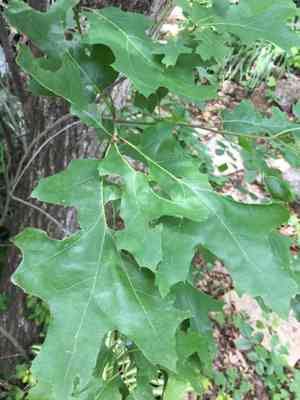
This tree, which sheds its leaves annually, is recognized for its brilliant autumn colors and its capacity to thrive in various soil types. Trim texas red oak while it is dormant in winter to preserve its form and eliminate any dead or ailing wood. Essential methods involve reducing dense branches, lowering its stature, and sculpting the crown. Precise cuts ought to uphold the plant's inherent shape. Trimming improves air movement and light exposure, fostering robust development and vivid leaf hues in the autumn.
What Are the Benefits of Pruning Texas Red Oak?
What Are the Benefits of Pruning Texas Red Oak?
Texas red oak flourishes with trimming that maintains its strength and shape, fostering a robust framework and promoting overall vitality through the careful removal of competing branches.
What Is the Best Time for Pruning Texas Red Oak?
What Is the Best Time for Pruning Texas Red Oak?
The period from late winter to early spring is ideal for pruning texas red oak, typically before new growth emerges. This timing aligns with the dormant phase of texas red oak's growth cycle, minimizing stress and sap loss. Pruning in late winter allows wounds to heal quickly with the start of the growing season, thereby reducing the risk of disease or pest infestation. Furthermore, the absence of leaves during this time offers better visibility of the plant's structure, enabling more precise cuts. It's also crucial to avoid pruning in fall, as wounds heal slower then, increasing texas red oak's vulnerability to infections.
What Tools Do I Need to Prune Texas Red Oak?
Hand Pruners
Perfect for making clean cuts on small branches and twigs of texas red oak, ensuring rapid healing and minimal plant damage.
Loppers
Essential for reaching higher branches and cutting through thicker material that hand pruners cannot manage, providing leverage and power without harming texas red oak.
Pruning Saw
Utilizes a serrated blade to cut larger branches of texas red oak, allowing for precise cuts without tearing the bark, encouraging healthy growth and reducing disease risk.
Pole Pruner
Useful for trimming higher branches of texas red oak from the ground, enhancing safety and accessibility without requiring ladders.
Hedge Shears
Suitable for shaping and controlling the overall form of texas red oak, especially for maintaining hedges made from this species.
Chainsaw
When mature texas red oak requires the removal of very large limbs or full tree removal, a chainsaw may be used by trained professionals to handle these demanding tasks.
How to Prune Texas Red Oak
Sterilize
Disinfect all pruning tools before starting to prevent the spread of diseases. Clean blades with a solution of one part bleach to nine parts water or use rubbing alcohol.
Identify
Examine texas red oak to locate dead or diseased branches. Dead branches will be dry, brittle, and may have peeling bark. Diseased branches might show discolored leaves, cankers, or other irregularities.
Cut
Using sharp, clean pruning shears, make cuts at a 45-degree angle about a quarter inch above an outward-facing bud. This promotes water runoff and new growth away from the center of texas red oak.
Remove
Prune dead branches completely, cutting back to their point of origin or to a living lateral branch. Remove diseased branches by cutting at least 6 to 8 inches into healthy wood to ensure all diseased tissue is eliminated.
Clean Up
After pruning, clear all cuttings from the area to prevent the potential spread of disease. Sterilize your pruning tools again to eliminate any pathogens that may have been transferred during pruning.
Common Pruning Mistakes with Texas Red Oak
Over-Pruning
Removing too much foliage from texas red oak can stress the tree, leading to a weak structure or poor health.
Improper Cut Location
Making cuts too close to the trunk can damage texas red oak's collar, while leaving too large a stub can lead to disease and pest problems.
Tear During Cutting
Failing to support the branch while cutting can cause the bark to tear, which may result in infections and decay in texas red oak.
Using Dull Tools
Dull pruning tools can create jagged cuts that are more susceptible to disease and may impede the healing process of texas red oak.
Pruning Healthy Limb
Unnecessarily cutting away healthy limbs can diminish texas red oak's vigor and aesthetic appeal.
Flush Cutting
Making flush cuts against the trunk can damage texas red oak's bark and vital cambium layer, hindering proper healing.
Common Pruning Tips for Texas Red Oak
Sanitized Tools
Use sanitized and sharp pruning tools to prevent disease spread and ensure clean cuts on texas red oak.
Three Cut Method
Employ the three-cut method for large branches to prevent bark tearing: an undercut, a relief cut, and a final cut near the branch collar.
Branch Collar
Make cuts just outside the branch collar to encourage proper healing and prevent damage to texas red oak's trunk.
Dead Or Diseased Limbs
Focus on removing dead, diseased, or damaged limbs to improve the health and structure of texas red oak.
Reductive Cutting
Where necessary, make reduction cuts to shorten limbs or branches without removing them entirely, thus preserving texas red oak's natural form.
Directional Pruning
Prune to outward facing buds to direct new growth away from the center of texas red oak, enhancing air circulation and preventing overcrowding.



