Enhancing Your Garden Design with the Texas red oak Plant: A Landscaping Guide
1
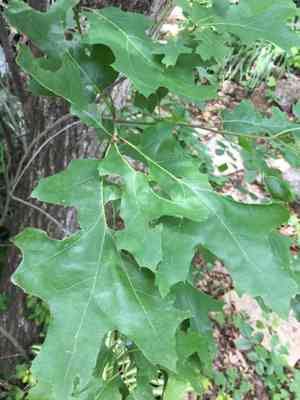
Texas red oak provides stunning fall colors for your outdoor space.
2
Texas red oak flourishes in soil that drains well and receives ample sunlight.
3
Strategic positioning and maintenance of Texas red oak can greatly enhance the visual appeal of your property.
Introducing Texas Red Oak to Enhance Your Landscape
Grasping the visual impact of Texas red oak in garden design
A standout feature in any landscape scheme is the vivid aesthetic appeal that Texas red oak brings. With its rich, green foliage that transitions into a spectacular display of reds and oranges in autumn, Texas red oak can significantly boost your garden's beauty. Whether aiming to establish a central feature or simply add depth to your greenery, Texas red oak offers a dynamic visual shift that evolves with the seasons, ensuring your garden remains attractive throughout the year.
Advantages of integrating Texas red oak into your garden
Beyond its visual charm, Texas red oak provides numerous benefits. It offers shade, which can cool your outdoor area during warmer months and lower energy expenses. Furthermore, Texas red oak supports local wildlife by providing shelter for birds and squirrels. It also aids in improving air quality by absorbing pollutants and releasing oxygen. Moreover, the presence of mature Texas red oak can elevate property values, making it a practical and beautiful investment for any landscape.
Selecting the Optimal Site for Texas Red Oak
Considerations for positioning Texas red oak
Choosing the ideal spot for Texas red oak demands careful thought regarding several elements. Begin by seeking an area with ample room, as mature trees can develop a broad canopy and extensive root system. Also, ensure the location does not interfere with subterranean utility lines or nearby structures. Proximity to other plants and garden elements is also crucial, guaranteeing your Texas red oak has sufficient space to grow and flourish without overcrowding or obstructing other components of your landscape design.
How sunlight and soil type influence Texas red oak development
Sunlight is essential for the healthy growth of Texas red oak. Ideally, it should be planted in a location where it receives direct sunlight for at least six hours daily. While Texas red oak adapts to various soil types, it thrives best in well-drained, slightly acidic to neutral soils. It is important to avoid areas prone to waterlogging, as standing water can lead to root rot and other problems. By providing the correct environmental conditions, you can ensure your Texas red oak remains robust and vibrant.
Harmonizing Texas Red Oak with Other Flora
Companion planting suggestions for Texas red oak
Successful companion planting with Texas red oak involves choosing plants that complement its growth habits and aesthetic qualities. Consider planting shade-tolerant shrubs and perennials beneath it, which can flourish in the dappled light under the oak's canopy. Plants like hostas, ferns, and azaleas not only thrive in these conditions but also enhance visual appeal with their diverse foliage and blooms. Additionally, native grasses and ground covers can provide a natural and smooth transition from the tree to the surrounding landscape.
Crafting color contrasts and textural variety
To maximize the visual impact of Texas red oak, utilize plants with contrasting colors and textures. The deep green leaves of Texas red oak can be beautifully highlighted by planting vibrant flowering plants like hydrangeas, which add splashes of color and diversity. Furthermore, incorporating plants with different leaf shapes and sizes, such as the bold foliage of elephant ears or the delicate texture of ornamental grasses, can create a rich tapestry of visual interest. Strategically placing these contrasting elements can emphasize Texas red oak as the focal point while adding depth and dimension to the overall design.
Maintaining the Vitality of Texas Red Oak in Gardens
Seasonal care advice for Texas red oak
Caring for Texas red oak throughout the year involves adjusting your maintenance routines to the changing seasons. In spring, apply a balanced fertilizer to encourage new growth and ensure adequate water during dry spells. During summer, continue regular watering, especially during prolonged droughts. Fall is the time to concentrate on clearing fallen leaves and providing a slow-release fertilizer to prepare the tree for winter. Pruning in late winter or early spring helps remove any dead or diseased branches, promoting healthy growth in the upcoming year.
Typical issues and remedies in cultivating Texas red oak
Successfully growing Texas red oak also means being aware of common challenges. Pests such as caterpillars and borers can harm the tree if not addressed; regular inspections and appropriate treatments can mitigate these issues. Diseases like oak wilt, caused by a fungal pathogen, demand swift actionâensuring proper watering practices and soil health can prevent its spread. Additionally, problems like chlorosis, where leaves yellow due to nutrient deficiencies, can be managed by testing soil and correcting pH levels or applying necessary amendments.
Design Approaches Utilizing Texas Red Oak
Integrating Texas red oak into structured and unstructured designs
Texas red oak is remarkably adaptable and can be incorporated into both formal and informal garden designs. In a formal setting, its symmetrical shape and clean lines can be used to frame pathways or entrances, creating a grand and orderly appearance. It pairs well with manicured lawns and structured hedges. In a more informal garden, Texas red oak can introduce a naturalistic element, blending seamlessly with wildflowers, native plants, and winding paths. Its natural form and seasonal changes add character and charm to less structured landscapes.
Employing Texas red oak as a central feature in landscape architecture
Using Texas red oak as a focal point is a strategic method to enhance any landscape design. Plant it in a prominent spot where its full splendor can be appreciated, such as at the center of a garden, near a patio, or at the end of a vista. Complement the focal point by arranging pathways, seating areas, and other garden features to draw attention to the tree. Well-placed lighting can also enhance Texas red oakâs presence in the evening, adding a dramatic flair to your landscaping and allowing you to enjoy its beauty after sunset.



