How to Propagate Texas red oak?
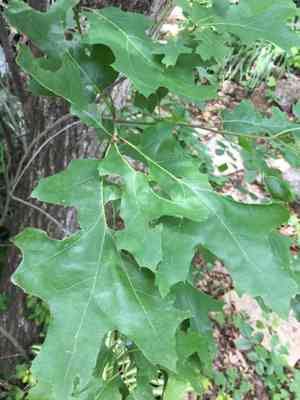
The Texas red oak is a robust variety that thrives with a propagation technique involving cuttings. To achieve the best outcome, select robust, semi-hardwood stem sections, making sure each piece includes multiple nodes. Submerge the severed tip in a rooting compound prior to inserting it into a porous substrate that encourages root formation. Preserve uniform dampness and protect the cuttings from intense solar exposure until roots are firmly set, at which point they can be progressively introduced to typical outdoor environments.
When Is the Optimal Period to Propagate Texas Red Oak?
Propagation Type
Cutting
Propagation Season
Fall,Winter
What Implements Are Utilized in Texas Red Oak Propagation?
Sharp pruning shears
Pruning shears are vital for obtaining clean, precise cuttings from texas red oak. A smooth cut minimizes stress on the parent plant and boosts the likelihood of successful rooting in the cuttings. Sharp pruning shears are especially useful to prevent crushing or tearing stem tissues, which can introduce pathogens and impede root development.
Rooting hormone
Rooting hormone assists in stimulating root formation from the severed ends of texas red oak cuttings. Applying a rooting hormone powder or gel to the freshly cut base can significantly improve rooting success by encouraging faster root initiation, providing a healthier start for new growth.
Sterilizing solution
The use of a sterilizing solution (e.g., alcohol or bleach mixture) to sanitize pruning shears before and after taking cuttings from texas red oak is crucial. This prevents the spread of diseases between plants and ensures each cutting has the healthiest possible beginning.
Propagation medium
A suitable propagation medium, such as a blend of perlite and peat moss, offers the necessary support and aeration for texas red oak cuttings. This medium also retains just enough moisture to facilitate root growth without causing waterlogging, which could lead to fungal diseases.
Humidity dome or plastic cover
Maintaining high humidity around texas red oak cuttings is essential during the initial rooting phase. A humidity dome or a simple plastic cover over the cuttings can help retain atmospheric moisture, preventing the delicate cuttings from drying out before they establish roots.
How to Propagate Texas Red Oak?
Propagation Type
Moderately Challenging
How to Nurture Your Newly Propagated Texas Red Oak?
How to Nurture Your Newly Propagated Texas Red Oak?
Once texas red oak cuttings have successfully rooted and acclimated, transplant them into individual pots or a prepared garden spot with rich, well-drained soil. Provide the young texas red oak with 1-1.5 inches of water weekly and apply mulch to the base to conserve moisture and regulate soil temperature. Place in a location with full sun exposure, and shield them from strong winds. As the texas red oak establishes itself, begin a routine of annual trimming to maintain its form and support vigorous growth.
Common Errors to Avoid When Propagating Texas Red Oak
Using Cuttings
Attempting to propagate texas red oak via cuttings can be problematic as they do not root easily or dependably using this method, leading to diminished success rates.
Soil Neglect
Planting texas red oak seeds or saplings in poor-quality soil can impede root development, which is vital for the tree's stability and nutrient absorption, contributing to plant stress or failure.
Overwatering
While establishing texas red oak, gardeners may overwater, which can result in root rot or fungal diseases, compromising the plant's health and growth.
Ignoring Acorns' Dormancy
Texas red oak's acorns possess a dormancy period that must be overcome; failing to stratify the seeds before planting leads to low germination rates.
Advice For Propagating Texas Red Oak
Stratification
Mimic natural winter conditions by stratifying texas red oak acorns to break seed dormancy, increasing the likelihood of successful germination.
Well-Draining Soil
Ensuring texas red oak is planted in well-draining soil helps prevent waterlogged conditions that are detrimental to the plant's health.
Correct Planting Depth
Plant texas red oak acorns at the appropriate depth, typically 1-2 inches below the soil surface, to provide optimal conditions for root establishment and growth.
Seedling Care
After germination, protect texas red oak seedlings from harsh conditions such as strong winds or direct sunlight until they are well-established and robust.



