How Much Sunlight Do Texas red oak Need?
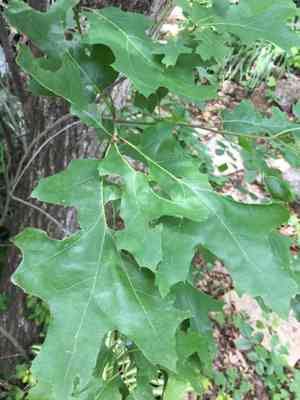
1
Texas red oak flourishes optimally with over six hours of direct sun each day.
2
Although Texas red oak favors ample sunlight, it can endure some shade during the day's peak heat.
3
A robust Texas red oak, given ideal sun exposure, can reach heights of up to 18 meters (60 feet).
Optimal Light Conditions for Texas Red Oak
Full Sun Requirement
The Texas red oak is a robust and impressive tree that thrives in full sun. This means it needs at least 6 hours or more of direct sunlight daily. Full sun exposure enables the tree to photosynthesize efficiently, promoting vigorous growth, lush foliage, and strong root development. Placing your Texas red oak where it receives morning and early afternoon sun is ideal.
Partial Shade Adaptability
While the Texas red oak prefers full sun, it can endure partial shade, especially during the day's hottest hours. In regions with extremely hot summers, providing some afternoon shade can shield the tree from excessive heat and scorching. However, too much shade can hinder its growth rate and leaf density, so aim to balance sun and shade based on your local climate.
Determining the Best Planting Site for Texas Red Oak
Assessing Yard Light Patterns
Before planting your Texas red oak, observe your yard's sunlight patterns throughout the day. Note areas that receive ample morning sunlight and consider potential obstructions like buildings or other trees that might cast shadows. An open space with minimal barriers is typically the best spot. Tracking the sun's path can help ensure your tree gets the necessary sunlight for optimal growth.
Utilizing a Sunlight Meter
To precisely measure the amount of light specific areas of your yard receive, consider using a sunlight meter. These devices can provide accurate readings, helping you find the perfect location for your Texas red oak. Look for spots that consistently show high sunlight levels for over 6 hours daily. A sunlight meter can be especially useful if you're uncertain about your yardâs exposure or live in an area with variable sunlight.
Common Light Issues and Solutions for Texas Red Oak
Signs of Insufficient Light
If your Texas red oak isn't receiving enough sunlight, you might notice symptoms like stunted growth, sparse foliage, and pale or yellowing leaves. Without adequate sunlight, the tree can't produce enough energy, leading to a weakened state. Itâs crucial to address these issues promptly by relocating the tree or trimming surrounding plants and structures that might block sunlight.
Remedies for Excessive Light Exposure
Conversely, if your Texas red oak is suffering from too much sunlight exposure, particularly in regions with intense heat, it may exhibit scorched or dry leaves. To mitigate this, provide the tree with some afternoon shade, either by planting smaller shade-tolerant plants nearby or using temporary shade cloths. Ensuring adequate watering can also help the tree manage excess sunlight and reduce stress.
Seasonal Light Considerations for Texas Red Oak
Summer Light Benefits
During the summer, the Texas red oak benefits from abundant sunlight, which fuels its most active growth period. Long daylight hours enable the tree to produce substantial foliage, making it lush and vibrant. Maximizing sunlight exposure during summer is vital, though in extremely hot areas, a bit of afternoon shade can prevent heat stress.
Winter Light Management
In winter, the Texas red oak enters a dormant phase, requiring less sunlight. However, maintaining some sunlight exposure is still beneficial. Ensure that fallen leaves or nearby evergreen plants do not overly shade the tree. Protecting young trees from harsh winter conditions with mulch or protective wraps can also help them survive and thrive once the growing season resumes.
Optimal Light Strategies for Young Texas Red Oak
Positioning Saplings
When planting Texas red oak saplings, choose a sunny location that promotes strong growth from the start. Young trees need full sun to establish a solid root system. Ensure the planting area is well-drained and free from competitive weeds that can block sunlight and nutrients.
Gradual Light Adjustment
Newly planted Texas red oak saplings may need to adjust gradually to their full sunlight environment. Initially, you can provide some shade during the hottest part of the day to prevent leaf burn. As the sapling acclimates, reduce shading to allow it to receive full sun exposure. This gradual adjustment helps the young tree acclimate without stress.



