How to Transplant Pasque flower?
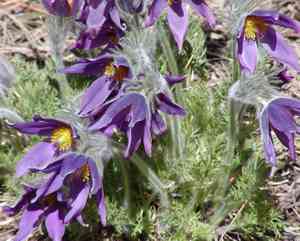
The ideal period for transplanting pasque flower is in the gentle warmth of late spring through early summer, as soil warmth aids in root development. Select a location with good drainage and partial shade, and protect pasque flower from severe elements to ensure optimal results.
What Preparations are Needed Before Transplanting Pasque Flower?
What is the Ideal Time for Transplanting Pasque Flower?
The optimal period to move pasque flower is during the transition from spring to early summer, enhancing your garden as temperatures rise. Relocating pasque flower at this time takes advantage of the mild weather, ensuring roots establish in warm, but not excessively hot soil, boosting growth potential. This timing allows pasque flower to thrive in your garden, as the gentle seasonal shift provides an ideal setting for rooting and adaptation. A friendly reminder: it's a small effort for a gardener, but a significant benefit for pasque flower's health!
How Much Space Should You Leave Between Pasque Flower Plants?
When relocating pasque flower, ensure they have ample room to flourish! Aim for a separation of approximately 1-2 feet (30-60 cm). This provides sufficient space for your plants to expand and grow without competition.
What is the Best Soil Mix for Pasque Flower Transplanting?
The perfect environment for pasque flower is well-draining soil, enriched with a foundational layer of balanced, slow-release fertilizer. This will provide nutrients to your plants, aiding in root establishment and vigorous growth.
Where Should You Relocate Your Pasque Flower?
For the sun-loving pasque flower, select a spot that receives full sunlight or partial shade. A brighter location encourages better blooms and ensures robust development.
What Equipments Should You Prepare Before Transplantation Pasque Flower?
Spade or Shovel
These tools will be necessary to excavate the plant from its original spot and to prepare the new planting site in the ground.
Gardening Gloves
To safeguard your hands while handling soil and plants.
Garden Fork
This is used to loosen the soil around the root system when extracting pasque flower from its initial position.
Watering Can
A watering can equipped with a fine rose attachment is recommended for gently irrigating the plant after relocation.
Mulch
Mulch will be utilized to help maintain soil moisture and inhibit weed growth around the new planting area.
Support Stakes (Optional)
These are not always required but may occasionally be needed if pasque flower is a particularly tall or mature specimen.
How Do You Remove Pasque Flower from the Soil?
How Do You Remove Pasque Flower from the Soil?
From Ground: Begin by watering pasque flower to ensure the soil is damp, which facilitates easier removal of the plant from its location. Using a spade or garden fork, carefully dig a circle around the plant, making sure not to cut into the root system. Once you are certain the plant is detached from the ground, gently lift it, ensuring the root ball remains intact.From Pot: Water pasque flower sufficiently so the soil is moist but not overly saturated. Turn the pot on its side, hold gently around the plant's base, and tap the pot's rim against a firm surface. This should gradually release the plant and its root ball from the container. Avoid forcefully pulling the plant out as this could cause damage.From Seedling Tray: Water the tray and allow it to sit for a few minutes. Then, with a broad tool or even a stick, slowly push up beneath the seedling to extract it. Be sure to grasp the seedling by its leaves and not the stem during this process, as the stem can easily be crushed or broken.
Step-by-Step Guide for Transplanting Pasque Flower
Digging the Hole
Excavate a hole that is twice as wide and slightly deeper than the root ball of pasque flower. The additional space will allow the roots to spread out and become established.
Preparation
Position pasque flower in the hole, ensuring the top of the root ball is level with the soil surface. Backfill the hole with garden soil, firmly pressing the soil around the plant's base to secure it and eliminate any air pockets.
Watering
After transplanting, it is crucial to thoroughly water pasque flower. This will help settle the soil and promote good soil-to-root contact.
Mulching
Apply a layer of mulch around pasque flower to help retain moisture, regulate soil temperature, and suppress weed growth.
How Do You Care For Pasque Flower After Transplanting?
Watering
Keep the soil consistently moist, but not waterlogged, for the initial few weeks. Be careful not to over-water as this can lead to root rot.
Pruning
In the first year after relocation, prioritize establishment over growth. If pasque flower appears excessively large or unmanageable, light trimming can be applied to reduce plant stress, reserving major pruning until the second year.
Monitoring
Regularly inspect pasque flower to observe its adaptation to the new environment. Watch for any indications of plant stress or disease such as wilting, yellowing foliage, or stunted development, and seek advice if necessary.
Staking (if necessary)
If pasque flower is tall or susceptible to wind damage, consider using support stakes to keep it upright and stable.
Troubleshooting Common Issues with Pasque Flower Transplantation.
When is the best time to transplant pasque flower?
The ideal period to transplant pasque flower is during early autumn to late winter (S3-S4), when temperatures are moderate and rainfall is sufficient.
How should I space pasque flower when transplanting?
For optimal growth, pasque flower should be spaced approximately 1-2 feet (30.5 to 61 cm) apart. This spacing ensures adequate air circulation and sunlight distribution for each plant.
How deep should the hole be for transplanting pasque flower?
The hole should be twice as wide and the same depth as the root ball of pasque flower. Ensure the top of the root ball is level with the soil surface after planting.
Should I add something to the soil when transplanting pasque flower?
Incorporate a generous amount of well-rotted organic matter or compost into the planting hole. This enrichment will provide pasque flower with a nutrient boost and improve soil drainage.
Can pasque flower be transplanted in a pot?
Pasque flower can be transplanted into a pot with adequate drainage holes. Ensure the pot is sufficiently spacious to accommodate the root system - about 1.5 times the root ball's size.
How do I care for pasque flower post transplanting?
Water pasque flower thoroughly after transplanting. Keep the soil evenly moist, but not waterlogged. Light pruning can encourage bushier growth.
What if my transplanted pasque flower shows signs of wilting?
If pasque flower wilts after transplanting, remain calm. Ensure it receives enough, but not excessive, water. Shield it from intense sunlight for a few days.
How to manage sunlight and shade for newly transplanted pasque flower?
Pasque flower thrives in full sun to partial shade. After transplanting, it's advisable to temporarily protect it from intense sunlight until it becomes established.
What type of soil does pasque flower prefer for transplanting?
Pasque flower performs well in well-draining soil, ideally sandy or loamy. Ensure pH levels are neutral to slightly alkaline.
Should I fertilize pasque flower post-transplant?
After transplanting, you should wait 4-6 weeks before fertilizing pasque flower. Over-fertilization can damage the roots and hinder adaptation to the new location.



