
Pasque flower (Pulsatilla vulgaris)
Also known as: Common pasqueflower
Pasque flower, scientifically named Pulsatilla vulgaris, belongs to the buttercup family. This herb is noted for its striking purple petals and bright yellow stamens. It typically thrives in the calcareous grasslands and sparse pine forests across Europe. According to legend, it blooms where the ground was once stained by the blood of Romans or Danes.
Attributes of Pasque flower
Images of Pasque flower
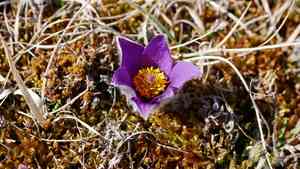


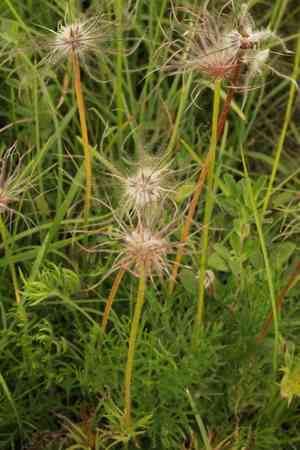
Quickly Identify Pasque flower
Scientific Classification of Pasque flower
Planting and Growing of Pasque flower
 How to Water Pasque flower?
 What Are the Sunlight Requirements for Pasque flower?
 What Is the Ideal Temperature Range for Pasque flower?
 What Soil is Best for Pasque flower?
 How to Fertilize Pasque flower?
 How to Prune Pasque flower?
 How to Propagate Pasque flower plant?
 How to Repot Pasque flower plant?
Toxicity of Pasque flower
Is Pasque flower toxic to humans?
The pasque flower is recognized for having a moderate degree of toxicity to humans, primarily via ingestion. Each part of the pasque flower contains the harmful compound protoanemonin, which can lead to poisoning if eaten. When ingested, individuals may suffer from a variety of symptoms, including gastrointestinal issues such as intense nausea, vomiting, and diarrhea. Moreover, irritation of the mucous membranes may arise, resulting in problems like a sore throat and swelling of the mouth. It is crucial for individuals to understand the potential hazards associated with the unintentional consumption of pasque flower, as every element of the plant is toxic and can result in negative health effects.
Is Pasque flower toxic to cat?
The pasque flower is known to possess a moderate level of toxicity for cats, which raises significant concerns if they inadvertently consume any part of the plant. Every component of the pasque flower, including its leaves, stems, and blooms, contains protoanemonin, a compound that can result in noticeable distress in felines when ingested. Following exposure to the pasque flower, a cat may display symptoms that suggest physical discomfort or pain. It is crucial for cat owners to remain alert and, should their pet ingest pasque flower, to promptly seek veterinary assistance to ensure the best possible outcome for their furry friend.
Is Pasque flower toxic to dog?
The pasque flower presents a moderate toxicity hazard to dogs. Canines may unintentionally consume portions of the plant, resulting in poisoning. The entirety of the plant is toxic, and ingestion can lead to various symptoms in dogs. These symptoms can include vomiting, diarrhea, excessive salivation, seizures, or in extreme cases, even coma. The toxic compound responsible for these adverse effects is protoanemonin. If you suspect that your dog has ingested pasque flower, it is crucial to obtain prompt veterinary attention to alleviate the consequences of the poisoning.



