How to Prune Pasque flower?
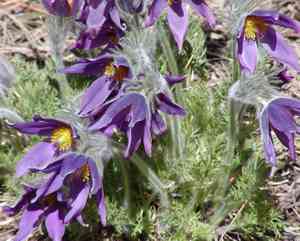
A member of the buttercup family, this enduring plant features delicate leaves and campanulate blossoms. For pasque flower, trimming entails removing faded flowers post-bloom to foster a tidy look and possible subsequent flowering. Cut away any lifeless or injured stalks in either spring or autumn to preserve the plant's well-being and visual appeal. Refrain from extensive cutting, as this could injure the fragile stems and dense growth pattern. Strategic pruning during the appropriate period can stimulate development, boost plant robustness, and augment flower yield.
Advantages of Trimming Pasque Flower
Advantages of Trimming Pasque Flower
Pruning pasque flower promotes a greater abundance of its unique blossoms while sustaining a robust growth pattern. Removing faded flowers helps shape the plant, keeping its size optimal and appearance neat.
Optimal Period for Pruning Pasque Flower
Optimal Period for Pruning Pasque Flower
Early spring allows for shaping pasque flower before new growth begins, preventing harm to developing buds. Pruning immediately after flowering ensures seed collection for future propagation and avoids disrupting the plant's energy storage cycle for the next season. Avoid summer and fall pruning for pasque flower, as it might remove developing seed heads that offer visual appeal and sustenance for wildlife. Additionally, winter pruning during dormancy is not advised for pasque flower, as it could diminish the plant's resilience and its capacity to endure unpredictable cold spells.
Necessary Tools for Pruning Pasque Flower
Hand Pruners
Small hand pruners are perfect for pasque flower, enabling precise cuts without harming delicate stems. Opt for bypass pruners, which create clean cuts and are less likely to crush plant tissues compared to anvil pruners.
Micro-Tip Snips
Given the fine foliage and smaller size of pasque flower, micro-tip snips or precision pruners are excellent for snipping spent flowers and light shaping, allowing for detailed work without disturbing surrounding plant parts.
Gloves
Wearing gloves is advisable when pruning pasque flower to shield your hands from potential skin irritants in the plant's sap, as well as sharp edges on dead foliage.
Sharpening Tool
Keeping your pruning tool blades sharp is crucial for clean cuts and reducing infection risk in pasque flower. A simple sharpening tool or stone can maintain the blade's edge.
How to Prune Pasque Flower
Disinfect
Before beginning, sanitize your pruning shears with a solution of 1 part bleach to 9 parts water to prevent disease spread to pasque flower.
Remove Diseased
Carefully cut away diseased leaves from pasque flower at the base of the leaf stem, ensuring no damage to the plant's crown or roots.
Trim Withered Leaves
Trim withered leaves by snipping them at their base where they meet the stem or just above new leaf growth, if present.
Deadhead Flowers
Remove faded flowers from pasque flower by cutting the flower stem just above the first set of healthy leaves to encourage new growth and potentially extend the blooming period.
Cleanup
Collect all removed plant material and dispose of it away from pasque flower to minimize disease or pest infestation risk.
Common Pruning Errors with Pasque Flower
Overpruning
Removing excessive foliage or cutting back the plant too severely can stress pasque flower and impede its ability to flower the next season.
Improper Cut Location
Cutting pasque flower at the wrong spot on the stem can cause unnecessary plant damage. Incorrect cuts may create entry points for disease or disrupt new bud growth.
Pruning In Bloom
Trimming pasque flower while it is flowering can remove the current season's blooms and potential seed heads, which offer aesthetic and ecological benefits post-blooming.
Removing Seed Heads
Cutting off the distinctive seed heads of pasque flower too early can prevent self-seeding and also diminish winter interest in the garden.
Using Dull Tools
Pruning pasque flower with dull or dirty tools can result in jagged cuts that are more susceptible to infection and do not heal as cleanly.
Neglecting Plant Form
Failing to consider the natural shape and growth habit of pasque flower during pruning can lead to a less attractive plant form and potential harm to healthy growth points.
General Pruning Advice for Pasque Flower
Clean Cuts
Making clean cuts on pasque flower with sharp, sterilized pruning shears prevents potential disease and promotes faster healing.
Post Bloom Pruning
Deadheading pasque flower after blooms have faded encourages new bud growth without sacrificing seed head development for gardeners aiming to maintain the plant's lifecycle.
Maintain Plant Shape
Pruning pasque flower to preserve its natural clump-forming habit rather than reshaping it ensures the plant's health and visual appeal.
Selective Removal
Removing only dead or damaged foliage from pasque flower, along with any spent flower stems, helps maintain a tidy appearance while encouraging healthy growth and future blooms.
Encourage Seedlings
Leaving seed heads in place until they have naturally dispersed can encourage pasque flower to self-seed and propagate naturally in the garden.



